Vietnam's central bank says inflation is higher than targeted but remains under control
Vietnam's central bank acknowledged September's annual inflation of 5.08% is above target but asserts it remains under control despite pressures from global interest rate hikes and imported fuel costs.
Intelligence analysis by Gemini 2.5 Flash
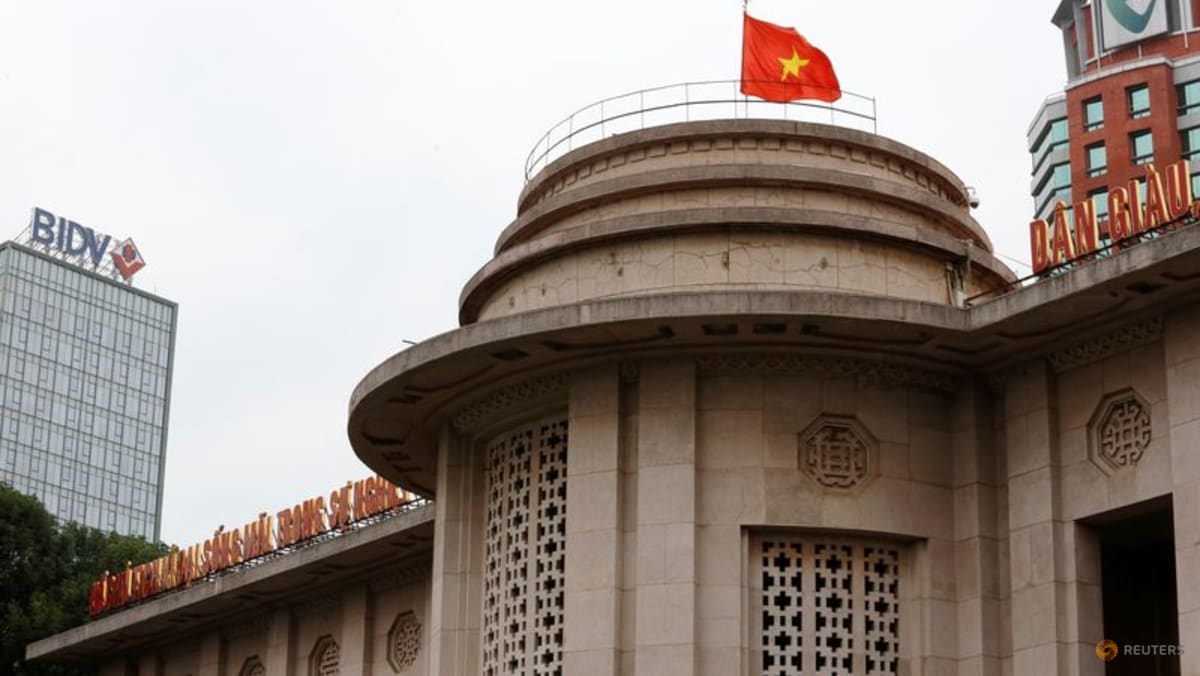
Vietnam's central bank deputy governor, Pham Thanh Ha, stated that while September's 5.08% annual inflation is the highest in years and exceeds the 4.5% target, the situation is manageable. The bank plans a flexible monetary policy to balance inflation control with economic growth, boosting lending to key sectors while tightening risky ones.
Imagine your favorite candy bar suddenly costs more money than it used to. That's a bit like inflation, where things get more expensive. Vietnam's central bank, like a grown-up managing pocket money, says prices are going up a bit faster than they wanted, partly because of expensive fuel from other countries and global money changes. But they're trying to keep things steady so everyone can still buy what they need without prices going totally wild.
Analysis
5.08 Percent
Vietnam's annual inflation rate reached 5.08 percent in September, marking a notable increase from 4.89 percent in August. This figure represents the highest reading in several years, placing considerable pressure on the central bank's efforts to manage prices and control inflation for the remainder of the year. The rise in inflation is partly attributed to higher prices for imported fuels, a consequence of the ongoing Iran war, which impacts export-reliant economies like Vietnam.
This elevated inflation rate surpasses the country's official target of 4.5 percent for the year, indicating a challenging economic environment. The central bank must navigate these inflationary pressures carefully to prevent them from eroding purchasing power and undermining economic stability. The interplay between global commodity prices and domestic policy responses is crucial in determining the trajectory of Vietnam's economic health.
Pham Thanh Ha
Pham Thanh Ha, the deputy governor of Vietnam's central bank, affirmed that despite the higher-than-targeted inflation, prices remain under control. He acknowledged the significant pressure on monetary policy management, particularly from recent interest rate hikes by other central banks, including the U.S. Federal Reserve. Such global monetary tightening often creates challenges for emerging and developing economies like Vietnam, as it can lead to capital outflows and currency depreciation.
Ha outlined the central bank's strategy to pursue a flexible monetary policy for the rest of the year. This approach aims to strike a delicate balance between maintaining inflation control and supporting overall economic growth. The bank plans to strategically boost lending to critical business and manufacturing projects, which are vital for economic expansion, while simultaneously tightening control over lending to sectors deemed risky, thereby mitigating potential financial instability.
11.59 Percent
Total bank lending in Vietnam demonstrated robust growth, rising by 11.59 percent from the end of last year as of September 30. This figure also represents a 16.69 percent increase compared to a year earlier, highlighting a significant expansion in credit activity within the economy. This lending growth is a key component of the central bank's strategy to support economic expansion, particularly in productive sectors.
To meet its ambitious full-year GDP growth target of at least 10 percent, Vietnam's fourth-quarter growth must exceed 12 percent, as stated by Pham Chi Quang, head of the central bank's monetary policy department. This aggressive growth target, coupled with the current inflationary environment, underscores the complex challenge facing policymakers. The central bank's flexible monetary policy is designed to facilitate this growth while attempting to keep price increases within manageable limits, a task made more difficult by external economic headwinds.
Key points
- Vietnam's annual inflation hit 5.08% in September, exceeding the 4.5% target and marking a multi-year high.
- Central bank deputy governor Pham Thanh Ha stated inflation remains under control despite the pressure.
- Global interest rate hikes and higher imported fuel costs due to the Iran war are contributing factors to inflationary pressure.
- Total bank lending increased by 11.59% from the end of last year as of September 30.
- The central bank will pursue a flexible monetary policy, balancing inflation control and supporting economic growth.
The central bank's commitment to a flexible monetary policy, balancing inflation control with economic growth, suggests a proactive approach. By boosting lending to business and manufacturing while tightening risky sectors, Vietnam aims to achieve its ambitious growth targets while maintaining price stability, potentially leading to sustained economic expansion.
The persistent rise in inflation, exceeding the 4.5% target and reaching a multi-year high, poses significant challenges to monetary policy. External pressures like global interest rate hikes and high imported fuel costs could further complicate efforts to control prices without stifling the ambitious economic growth required to meet full-year targets.