‘We cannot magic up more water’: the supply problems putting housing targets in England at risk
England's housing targets are at risk due to severe water shortages and aging infrastructure, particularly in drought-prone eastern and southern regions. Water companies and environmental agencies warn of insufficient supply for new homes.
Intelligence analysis by Gemini 2.5 Flash Lite
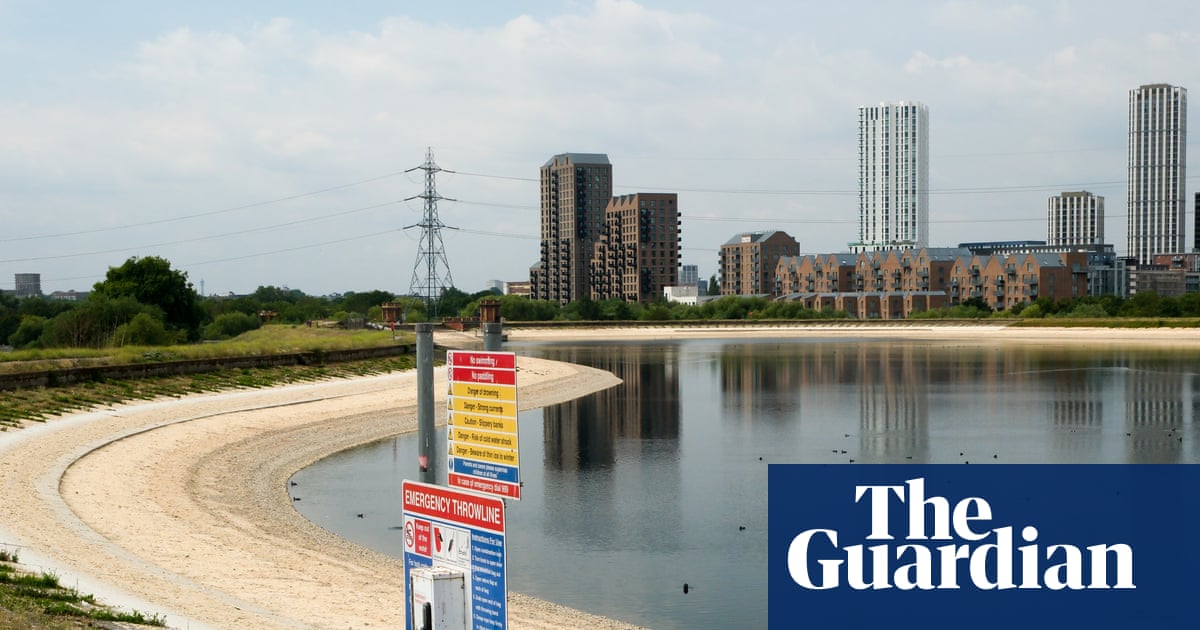
The government's ambitious housing targets face a critical roadblock: a lack of water and deteriorating infrastructure. With large parts of England experiencing drought, environmental bodies and local councils are questioning the feasibility of building new homes, citing unsustainable water extraction and the failure to upgrade essential services.
Imagine England is trying to build lots of new houses, like adding more rooms to a big house. But there's not enough water in the pipes for all the new people who will live there. The pipes are also old and leaky. So, even though they want to build more, they can't because there isn't enough water, and the old pipes can't handle it.
Analysis
Water Scarcity as a Development Blocker
The ambitious housing targets set by the government, particularly in the densely populated and economically vital south and east of England, are encountering a fundamental environmental constraint: water scarcity. Regions already grappling with drought conditions, some for the second consecutive year, are also the areas where significant new housing is planned. This creates a direct conflict, as highlighted by council leaders who state they "cannot magic up more water." The evidence from water cycle studies in areas like Basingstoke and Deane indicates that the demand from new housing could exceed the limits of sustainable supply, a concern echoed by environmental agencies that note a lack of available river water for new homes or industry in roughly a third of the country, even under normal conditions.
Crumbling Infrastructure and Environmental Collapse
Compounding the issue of insufficient water is the state of existing infrastructure. Water companies are struggling with aging systems that are not only failing to meet current demands but are also exacerbating environmental damage. In Hampshire, over-extraction of water for existing populations is pushing alkaline fens towards irreversible ecological collapse, according to Natural England. The Environment Agency has had to intervene, banning South East Water from taking more water from a critical aquifer and appealing against the company's attempt to overturn this decision. Furthermore, promised infrastructure upgrades, such as a pipeline to channel water to Basingstoke, have not materialized due to regulatory and funding issues, leaving the system critically vulnerable and unable to support projected growth.
Policy Mismatch and Future Uncertainty
The disconnect between national housing policy and local environmental realities is stark. Local authorities are finding themselves unable to approve local plans because the necessary water resources and infrastructure are not in place to meet government-imposed housing targets. Damian Hinds, MP for East Hampshire, has raised serious questions about the long-term resilience of water supplies for existing customers and the sustainability of planned housebuilding. The situation in Cambridgeshire, where chalk streams require artificial maintenance due to over-extraction, yet ministers are pushing for 150,000 new homes, exemplifies this policy mismatch. The article suggests a potential shift towards development corporations to bypass local decision-making, but this does not resolve the fundamental issue of water availability, raising concerns about the long-term viability of such growth strategies.
Key points
- England's housing targets are threatened by severe water shortages and aging infrastructure, particularly in drought-prone areas.
- Environmental agencies and water companies warn that there is insufficient water supply for planned new homes.
- Over-extraction of water is causing significant environmental damage to sensitive ecosystems like chalkstreams and fens.
- Crumbling infrastructure and unfulfilled promises for upgrades further exacerbate the water supply crisis.
- Local authorities are struggling to approve new housing plans due to these water-related environmental barriers.
If significant investment is made in upgrading water infrastructure, developing new water sources, and implementing widespread water efficiency measures, it could alleviate the current constraints. Successful adaptation to climate change impacts on water availability, coupled with innovative water management strategies, might allow for sustainable housing development to proceed.
Continued failure to invest in infrastructure and address water scarcity could lead to a complete halt in new housing development in affected regions. This would not only jeopardize economic growth targets but could also result in severe environmental degradation and potential water rationing for existing populations, impacting quality of life.