'What you see is what you pay' - why some US restaurants are banning tips
A growing number of US restaurants are eliminating tipping, opting instead to raise menu prices to pay staff higher, more equitable fixed wages. This model aims to address pay disparities between front-of-house and kitchen staff, as well as biases in customer tipping.
Intelligence analysis by Gemini 2.5 Flash
Some US restaurants are moving to a tip-free model, increasing menu prices to cover higher, stable wages for all staff. Proponents argue it creates fairer pay, reduces reliance on customer generosity, and mitigates biases in tipping based on gender or race. However, challenges include customer resistance to higher upfront prices and increased sales tax burdens for businesses.
Imagine going to a restaurant where the price on the menu is exactly what you pay, no extra money needed for the person who brings your food. Some restaurants in the US are trying this new way, raising their food prices a bit so they can pay everyone who works there, from the chefs to the servers, a good, steady salary. This means the workers don't have to rely on tips, which can be unpredictable, and everyone gets paid more fairly, like when you buy a toy and the price tag is the final price.
Analysis
The movement towards a tip-free restaurant model in the United States represents a significant shift in the traditional service industry compensation structure. This change is primarily driven by a desire for greater pay equity among staff, particularly between the often highly-tipped front-of-house employees and the less visible, lower-paid kitchen staff. Restaurants like Nightshade Noodle Bar exemplify this motivation, with owner Rachel Miller expressing discomfort over the disparity and the inherent biases in tipping practices.
William Michael Lynn
Professor William Michael Lynn, an expert in food and beverage management at Cornell University, highlights a key challenge in the transition to a gratuity-free system: customer perception. He notes that diners often struggle to mentally adjust to higher menu prices, failing to fully account for the absence of an additional tip. This psychological barrier can lead to a perception of dining out being more expensive, subsequently resulting in lower demand for restaurants adopting this model.
Lynn's research into 'The Psychology of Tipping' underscores that while 'tipping fatigue' is growing among consumers, the economic disadvantages for restaurants often outweigh the benefits of eliminating tips on a widespread scale. This suggests that despite public annoyance with the current tipping culture, a mass exodus from the practice is unlikely in the near future due to the complex financial implications for businesses.
Nightshade Noodle Bar
Rachel Miller, chef and owner of Nightshade Noodle Bar in Lynn, Massachusetts, successfully implemented a tip-free model five years ago, driven by a commitment to fairness for her kitchen staff. She observed that kitchen employees, despite their demanding work, earned significantly less than front-of-house staff who benefited from tips. Miller also aimed to eliminate the unconscious biases in tipping, where white male staff often received higher tips than others.
To support higher wages, Nightshade Noodle Bar increased its menu prices, with tasting menus now starting from $102. Miller firmly stands by this trade-off, asserting that the prices reflect the full cost of compensating her team properly. The clearest measure of her success is staff retention, with many employees remaining since the change, indicating that the stable, higher wages are highly valued by her team and guests alike.
Talulla
Not all restaurants have found sustained success with the tip-free model, as demonstrated by Talulla in Cambridge, Massachusetts. This restaurant initially dropped tips in 2020 to ensure more equitable pay for its staff. However, it was forced to revert to a tipping system in September of the following year, indicating the difficulties in maintaining the model.
Co-owner Danielle Ayer explained that while they attempted to sustain the non-tipping model by raising menu prices by 23%, this was only viable through the winter months. A significant factor contributing to the challenge is the financial structure: tips are not counted as part of a restaurant's revenue, but higher menu prices are. Consequently, increasing prices to cover staff wages also leads to a proportional increase in sales tax obligations, making the overall operation more expensive for the business.
Key points
- Some US restaurants are eliminating tipping, opting for higher menu prices to pay staff fixed, equitable wages.
- Motivations include fairer pay for kitchen staff, reducing reliance on customer generosity, and addressing biases in tipping.
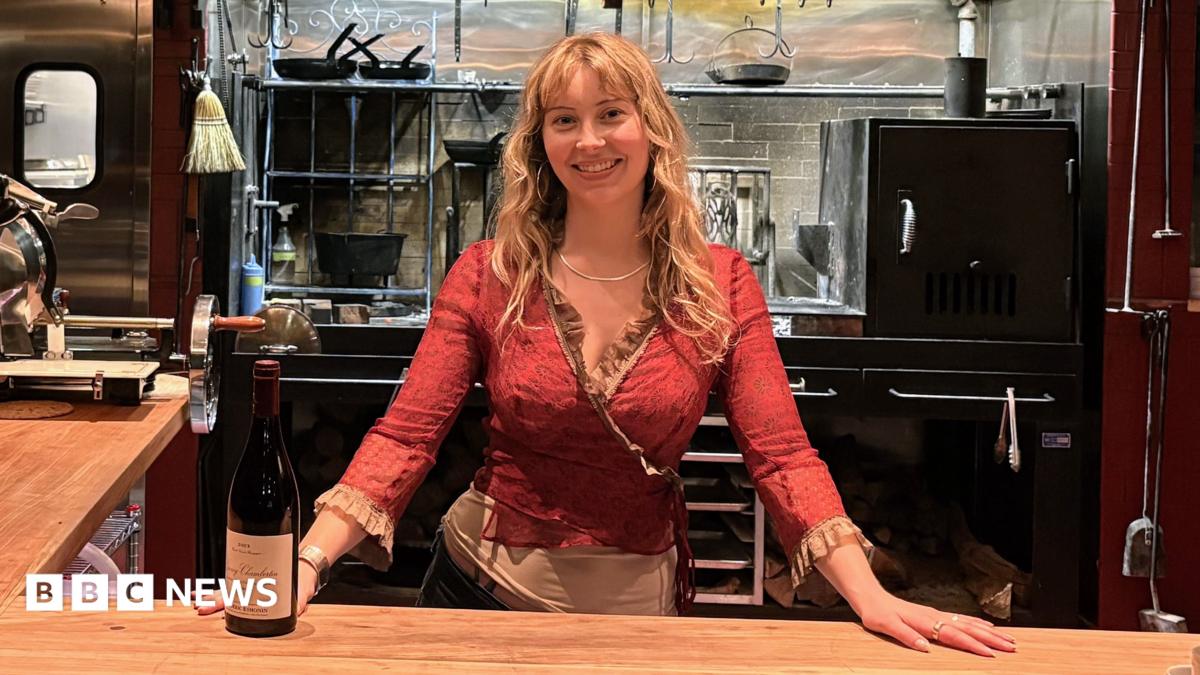
- Caroline Kraetzer, a wine waiter, earns $40 an hour in a tip-free restaurant, double the norm, providing financial stability.
- Rachel Miller of Nightshade Noodle Bar successfully implemented the model, noting improved staff retention.
- Challenges include customer perception of higher prices, leading to lower demand, and increased sales tax for restaurants.
- Cornell University professor William Michael Lynn suggests that despite 'tipping fatigue,' widespread elimination is unlikely due to economic disadvantages for businesses.
This shift could lead to more stable and equitable incomes for restaurant staff, reducing pay disparities between front and back-of-house roles and mitigating biases in customer tipping. Improved compensation and predictability may also enhance staff morale and retention, fostering a more professional and dedicated workforce in the service industry.
The primary downside is potential customer resistance to higher menu prices, which can lead to reduced demand and revenue for restaurants. Additionally, increased menu prices result in higher sales tax burdens for businesses, making the tip-free model more expensive to operate and potentially unsustainable for some establishments.