When it comes to taxing the super rich, there’s no need to reinvent the wheel
The US government is considering new taxes on the super rich, but experts argue that existing taxes can be improved to raise more revenue. The current tax system has many exceptions and loopholes that allow billionaires to avoid paying their fair share.
Intelligence analysis by Llama 3.3 70B
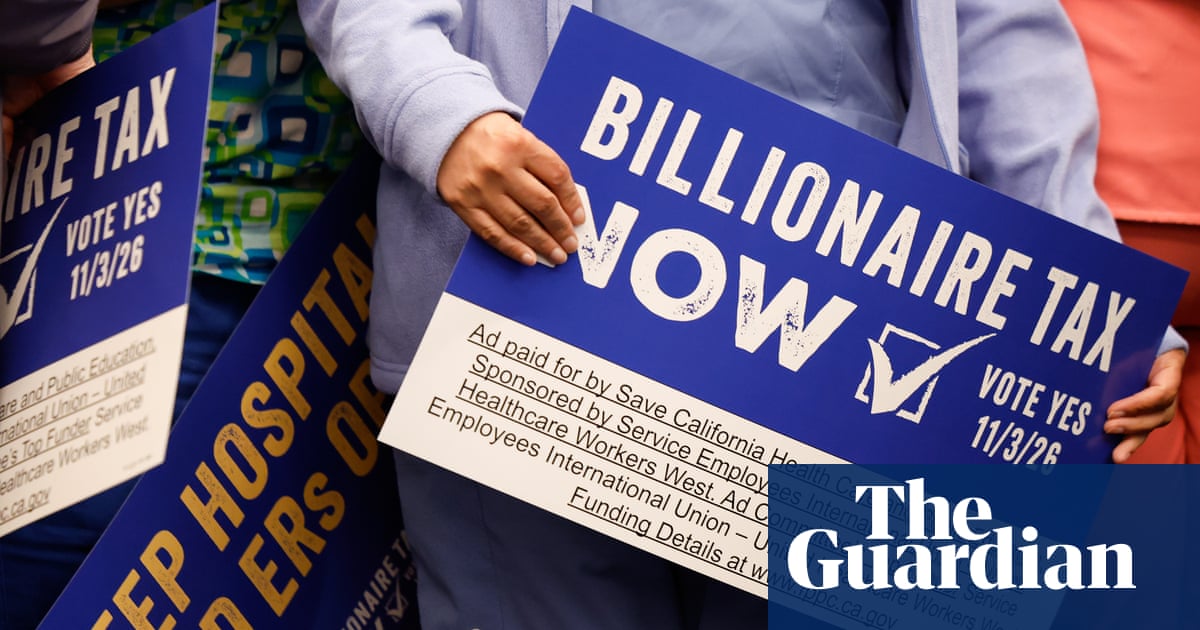
The US is exploring ways to tax the super rich, with California proposing a one-time tax on fortunes over $1bn. However, experts suggest that improving existing taxes, such as the estate tax, could be a more effective way to raise revenue and reduce income inequality.
Imagine you have a big box of toys, and you want to make sure that everyone contributes to the toy box. The government is trying to figure out how to make the rich people contribute more to the toy box, so that everyone can have more toys. One way to do this is to improve the rules for taxing the rich, so that they pay their fair share.
Analysis
The Case for Taxing the Super Rich
The idea of taxing the super rich has gained significant attention in recent years, particularly with the rise of billionaires like Elon Musk. The argument is that these individuals have accumulated vast fortunes and should contribute more to the tax system. However, the implementation of such taxes is complex and raises several challenges.
One of the primary concerns is that wealth taxes can be difficult to administer, particularly when it comes to valuing certain types of assets, such as privately held businesses. Additionally, wealth taxes can encourage capital flight and discourage entrepreneurship, as individuals may be less likely to invest in businesses or start new ventures if they know that their wealth will be taxed.
Alternative Solutions
Rather than implementing new wealth taxes, experts suggest that improving existing taxes, such as the estate tax, could be a more effective way to raise revenue and reduce income inequality. The estate tax, which has been eviscerated by multiple reforms over the last 25 years, could be improved by restoring tax rates and reducing exemptions to where they were at the turn of the century.
Another approach is to cut tax breaks on certain assets, such as life insurance, and on transfers to close relatives. Additionally, the step-up basis under which unrealized capital gains are zeroed out upon the owner's death could be eliminated, allowing dynastic wealth to be taxed across generations.
Implementing Effective Taxation
To implement effective taxation, the US could consider transforming the estate tax into an inheritance tax levied on heirs, similar to those existing in most OECD countries. This would deal with the double taxation critique and provide an incentive to divide large estates among heirs to avoid the highest marginal tax rates.
Taxes on capital gains, which currently top out at 20%, could be raised closer to the 37% top rate on labor income, reducing the incentive for high earners to reclassify wages as returns on investment. The corporate tax rate could also be brought closer to where it was before the Tax Cuts and Jobs Act chopped it from 35% to 21%.
Overall, the key to effective taxation is to find a balance between raising revenue and avoiding unintended consequences, such as capital flight or decreased entrepreneurship. By improving existing taxes and implementing new measures, the US can reduce income inequality and raise the revenue needed to fund social programs and invest in the country's future.
Key points
- The US is considering new taxes on the super rich
- Experts argue that improving existing taxes, such as the estate tax, could be a more effective way to raise revenue
- Wealth taxes can be difficult to administer and may encourage capital flight
- Transforming the estate tax into an inheritance tax could provide an incentive to divide large estates among heirs
If the US can implement effective taxation policies, it could raise significant revenue and reduce income inequality. This could lead to more funding for social programs, improved infrastructure, and increased economic growth. Additionally, a more progressive tax system could help to reduce the wealth gap and promote greater economic mobility.
However, implementing effective taxation policies is a complex task, and there are many potential pitfalls. If the US fails to address the issues with its current tax system, it could lead to continued income inequality, decreased economic mobility, and reduced revenue for social programs. Additionally, poorly designed taxes could discourage entrepreneurship and investment, leading to decreased economic growth.