Which overseas property markets will be the winners and losers if Fed raises US rates?
Comments from US Federal Reserve chairman Kevin Warsh have heightened expectations of an impending US interest rate rise, which is set to significantly impact global property markets, particularly Hong Kong.
Intelligence analysis by Gemini 2.5 Flash
The US Federal Reserve chairman's recent remarks on controlling inflation have fueled anticipation of monetary tightening. This expected interest rate hike in the US is poised to create winners and losers among international property markets, with Hong Kong's market being particularly sensitive due to its currency peg to the US dollar.
Imagine the US is like the biggest bank in the world, and its boss, the Fed chairman, is saying they might make it more expensive to borrow money soon. When this happens, it's like the price tag on borrowing money goes up everywhere, especially in places like Hong Kong because their money is tied to the US dollar. So, if you wanted to buy a house in Hong Kong, the loan would cost more, which might make fewer people want to buy, or make houses less valuable.
Analysis
The global financial landscape is bracing for potential shifts following recent signals from the US Federal Reserve. Chairman Kevin Warsh's comments at the Jackson Hole symposium underscored the Fed's commitment to tackling inflation, despite the target rate remaining steady at 3.5 to 3.75 per cent in July. This rhetoric has significantly amplified market expectations for an imminent monetary tightening cycle. Such a move by the world's largest economy would inevitably ripple through international asset markets, with property sectors facing particular scrutiny as borrowing costs adjust globally.
Kevin Warsh
Kevin Warsh's statements at the annual economic policy symposium in Jackson Hole last month were a pivotal moment, reinforcing the market's belief that the US Federal Reserve is preparing to raise interest rates. His emphasis on the Fed's ongoing work to control inflation, despite the current target rate, has been interpreted as a clear signal of impending monetary tightening. This expectation of higher US rates directly influences global capital flows and investment decisions, as the cost of borrowing in US dollars, and by extension in many linked economies, is set to increase. Investors are now recalibrating their strategies, anticipating a period of more expensive credit and potentially reduced liquidity in various markets worldwide.
Hong Kong Monetary Authority
The Hong Kong Monetary Authority (HKMA), acting as the city's de facto central bank, operates under a currency peg that links the Hong Kong dollar to the US dollar within a specific trading band. This peg means that the HKMA's base rate typically mirrors the movements of the US Fed's target rate. Consequently, any interest rate hike by the Fed will be directly reflected in Hong Kong's borrowing costs, particularly those linked to Hibor, the Hong Kong interbank offered rate. This direct correlation implies that Hong Kong's property market will experience rising debt costs, a stark contrast to the potentially different monetary policies pursued by mainland China. This divergence could make Hong Kong less appealing for certain types of investment.
JPMorgan Chase
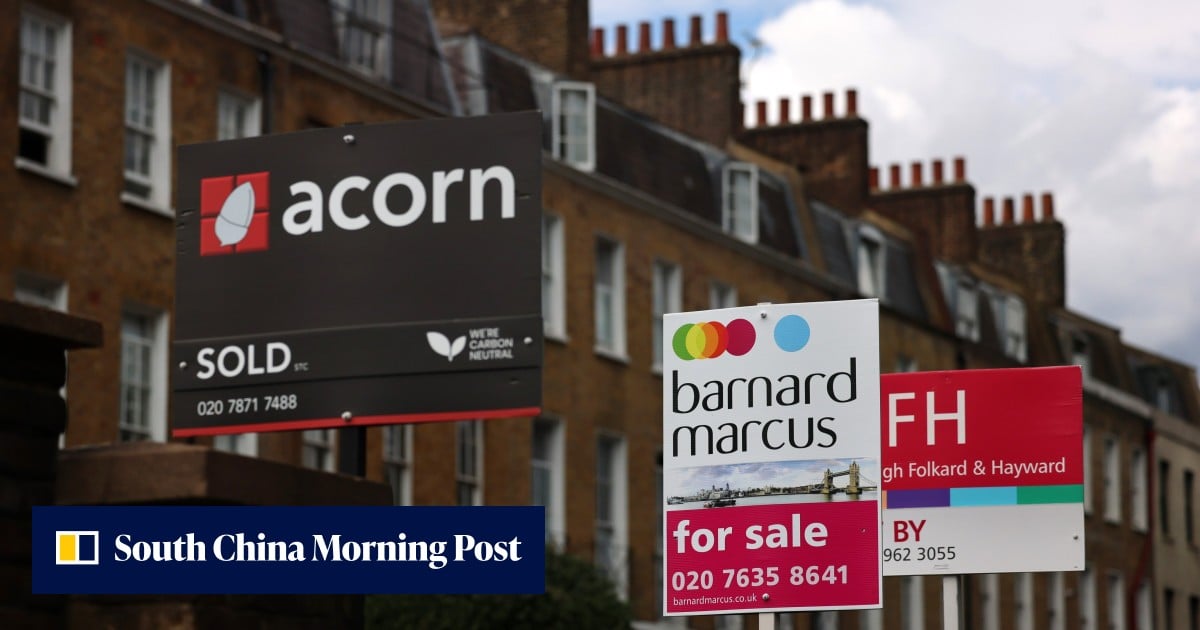
Investment bank JPMorgan Chase has provided insights into the significant role mainland Chinese buyers play in Hong Kong's property market. Their analysis, based on pinyin surnames in purchase records, estimates that mainland buyers have recently accounted for a substantial 29 per cent of home sales volumes and an even higher 37 per cent of their total value. Furthermore, mainland-based investors were the second-largest non-local buyers of commercial property assets in the second quarter of this year, with purchases totaling HK$1.23 billion. The prospect of rising interest rates in Hong Kong, driven by Fed actions, could diminish the attractiveness of the city's property market for this crucial segment of southbound capital, potentially impacting demand and pricing dynamics.
Key points
- US Federal Reserve chairman Kevin Warsh's comments have heightened expectations for an impending US interest rate hike.
- Hong Kong's property market is highly sensitive to US rate changes due to the HKD's peg to the US dollar, causing the HKMA to mirror Fed moves.
- Rising borrowing costs in Hong Kong, linked to Hibor, could make the city's property less attractive compared to mainland China.
- Mainland Chinese buyers account for a significant portion of Hong Kong's home sales (29% volume, 37% value) and commercial property investment.
- Increased interest rates could deter this crucial southbound capital, impacting Hong Kong's property market dynamics.
Higher interest rates in Hong Kong, mirroring the Fed's moves, could significantly increase borrowing costs for property buyers and investors. This rise in costs, especially when contrasted with potentially lower rates in mainland China, may deter mainland Chinese capital from flowing into Hong Kong's property market, leading to reduced demand and potential price stagnation or declines.