Which Singapore celebrities own cafes? 35 stars who have gone into F&B, from Ben Yeo to JJ Lin and Rebecca Lim
CNA rounds up 35 Singapore celebrities who have opened cafes, stalls and restaurants, showing fame does not guarantee F&B success.
Intelligence analysis by GPT-5.4 Mini
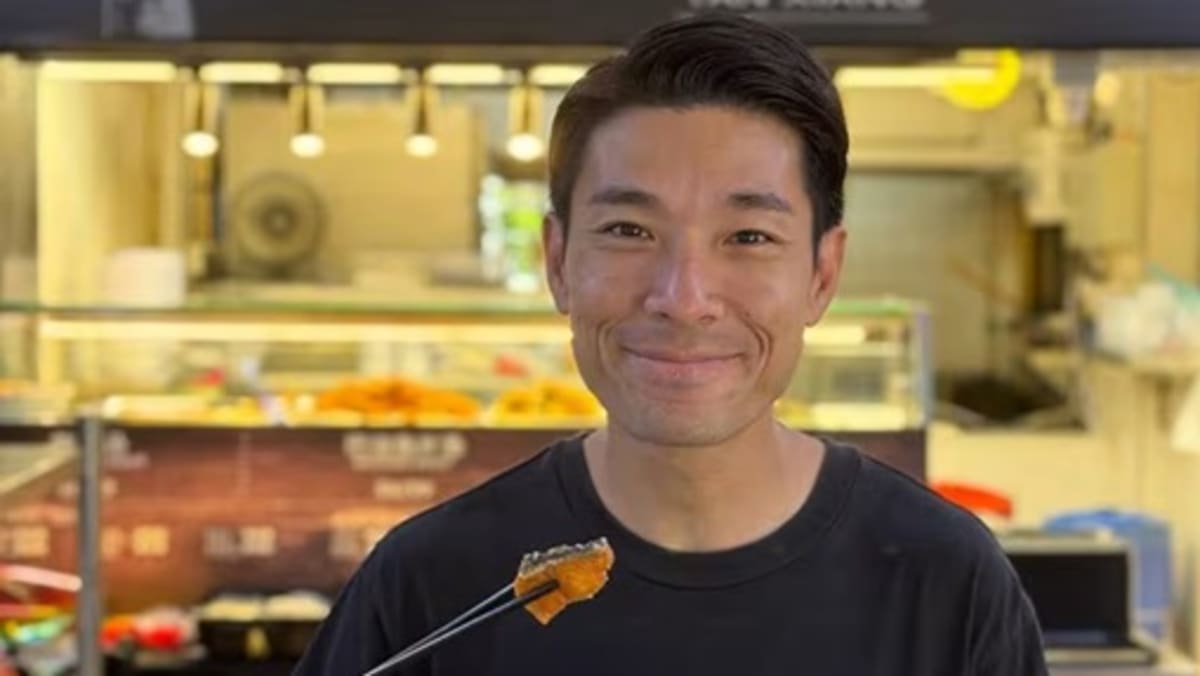
The story frames celebrity F&B as a high-risk business, not an easy side hustle. Ben Yeo’s shifting portfolio, along with examples from actors, DJs and musicians, shows how local stars keep testing formats, locations and price points to survive Singapore’s unforgiving dining market.
It is like a famous person opening a snack shop. Lots of people come at first because they know the name, but the shop still has to taste good, cost the right amount, and stay useful, or it can close just like any other shop.
Analysis
Fame Gets Attention, Not Protection
Celebrity ownership gives an F&B outlet instant visibility, but CNA’s roundup makes clear that recognition is only the starting point. The article keeps returning to a simple point: Singapore diners are fickle, and even familiar faces cannot force a concept to last.
Ben Yeo is the clearest example of that reality. His business history includes closures, reinventions and a move away from ambitious, expensive ideas toward lower-cost, mass-market concepts that can be tested and adjusted more quickly. That is less a glamour story than a lesson in survival.
The Survivors Are the Flexible Ones
The strongest thread across the article is adaptability. Yeo moved through stalls, delivery kits, casual eateries and steamboat outlets; The Muttons kept some ventures while others, like Itchy Bun, closed; Taufik Batisah’s fried chicken business expanded from one outlet to two.
That pattern suggests celebrity-backed F&B works best when it behaves like ordinary small business. The names may draw the first customers, but the repeat customers seem to depend on practical things the article highlights: accessible prices, familiar formats, and concepts that can change with demand.
What This Says About Singapore Dining Culture
The roundup also says a lot about the market itself. Singapore’s food scene is crowded, cost-sensitive and fast to punish weak ideas, so even a celebrity portfolio can be whittled down by rent, tastes and operational strain. The article’s repeated references to closures underline how unforgiving that environment is.
At the same time, the piece shows why stars keep trying anyway. Food remains a visible, emotionally resonant business in Singapore, and celebrity owners can use their audience to seed interest in hawker stalls, cafes or niche dishes. The long-term winners are likely to be the ones who treat fame as a marketing boost, not a business model.
Key points
- CNA profiles 35 Singapore celebrities who have entered F&B, from cafes to steamboat outlets and delivery brands.
- Ben Yeo is presented as the clearest example of repeated experimentation and business reinvention.
- Some ventures have closed, while others, such as Chix Hot Chicken and Tan Xiang Charcoal Fishhead Steamboat, are still operating.
- The story argues that celebrity fame helps with attention but does not guarantee success in Singapore's tough dining market.
If celebrity owners keep choosing simpler, lower-cost concepts, more of these businesses could last longer and find steady customers. Their visibility may also help small food ideas get noticed faster in a crowded market.
The article shows that celebrity status does not stop closures, especially when concepts are too costly or too ambitious. If owners keep expanding without strong operations, even well-known names can end up with shrinking or failing portfolios.