Why Iran's Stock Market Is Breaking Records Amid War
Iran's stock market has been breaking records, with the Tehran Stock Exchange's index reaching its highest level ever. This is despite the country being in the midst of a war and facing economic sanctions. The market's growth can be attributed to several factors, includin…
Intelligence analysis by Llama
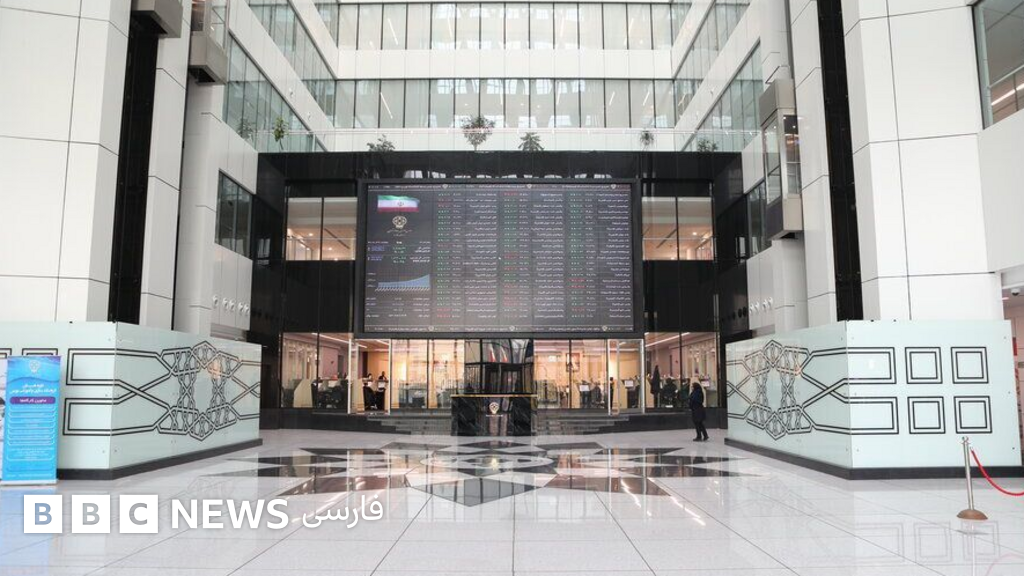
Iran's stock market has been breaking records, with the Tehran Stock Exchange's index reaching its highest level ever. This is despite the country being in the midst of a war and facing economic sanctions. The market's growth can be attributed to several factors, including the rise in oil prices and the devaluation of the Iranian currency.
Imagine you have a lemonade stand, and the price of sugar goes up. You can either raise the price of lemonade to make up for the cost of sugar or sell fewer lemonades to make less money. In Iran, the price of sugar (or oil) has gone up, and the government has raised the price of lemonade (or gasoline). This has made the lemonade stand more profitable, but it's also made it harder for people to buy lemonade. The stock market is like a big lemonade stand, and the price of sugar (or oil) affects how profitable it is.
Analysis
The War's Impact on the Stock Market
The war in Iran has had a complex impact on the stock market. On the one hand, the conflict has increased the risk of a market crash, as investors become more risk-averse and withdraw their funds from the market. However, the war has also led to an increase in oil prices, which has benefited companies that export oil, such as the National Iranian Oil Company (NIOC).
The Role of Dollar
The Iranian currency, the rial, has been devalued significantly since the start of the war, making imports more expensive and contributing to inflation. However, the devaluation of the rial has also made Iranian exports cheaper, which has benefited companies that export goods, such as the Iran Khodro automotive company.
The Impact of Inflation
Inflation has been a major challenge for the Iranian economy, and the war has only exacerbated this problem. The government has implemented various measures to control inflation, including increasing interest rates and reducing government spending. However, these measures have had limited success, and inflation remains a major concern.
The Stock Market's Growth
Despite the challenges facing the Iranian economy, the stock market has been growing rapidly. The Tehran Stock Exchange's index has reached its highest level ever, and many companies have seen significant increases in their stock prices. This growth can be attributed to several factors, including the rise in oil prices and the devaluation of the Iranian currency.
Conclusion
The stock market's growth in Iran is a complex phenomenon that cannot be attributed to a single factor. The war, the devaluation of the rial, and inflation have all played a role in shaping the market's performance. However, the market's growth is also a sign of investor confidence in the Iranian economy, which could have implications for the country's economic development and its ability to recover from the war.
Key points
- The Iranian stock market has been breaking records, with the Tehran Stock Exchange's index reaching its highest level ever.
- The market's growth can be attributed to several factors, including the rise in oil prices and the devaluation of the Iranian currency.
- The war in Iran has had a complex impact on the stock market, increasing the risk of a market crash but also benefiting companies that export oil.
- Inflation has been a major challenge for the Iranian economy, and the war has only exacerbated this problem.
- The government has implemented various measures to control inflation, including increasing interest rates and reducing government spending.
If the war in Iran ends soon, the stock market could continue to grow as investors become more confident in the economy. Additionally, the government's efforts to control inflation and stabilize the currency could lead to a more stable economic environment, which would benefit the stock market.
If the war in Iran continues or escalates, the stock market could crash as investors become more risk-averse and withdraw their funds from the market. Additionally, the government's efforts to control inflation and stabilize the currency could be unsuccessful, leading to a more unstable economic environment and a decline in the stock market.