Why You Should Know About Polycystic Ovary Syndrome (PCOS)
Polycystic ovary syndrome (PCOS) is a hormonal disorder that affects 10-15% of women of childbearing age. It's not just a problem with the ovaries, but can also affect the heart, liver, and increase the risk of diabetes. A doctor explains how to manage PCOS through a comb…
Intelligence analysis by Llama
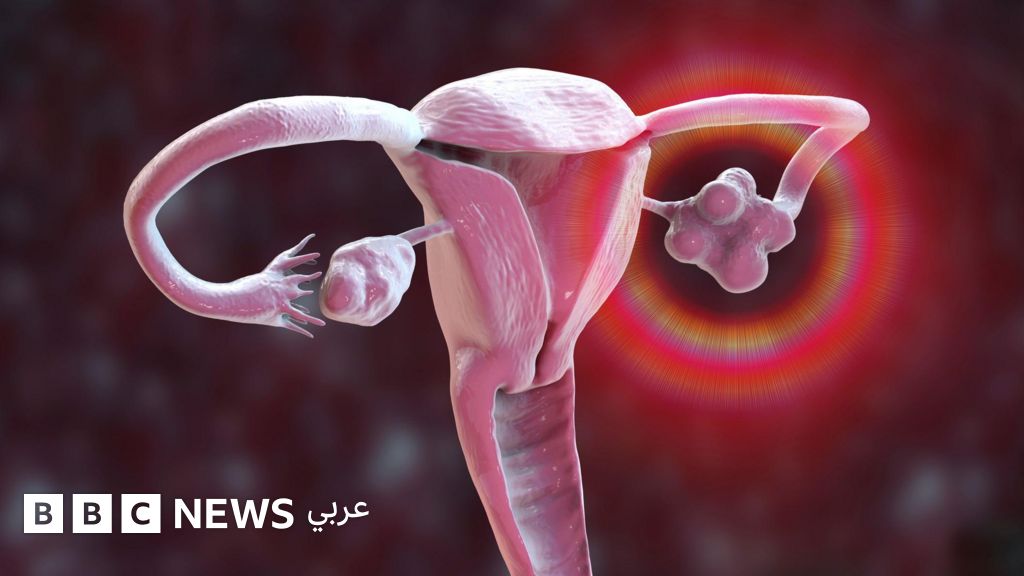
Polycystic ovary syndrome (PCOS) is a hormonal disorder that affects 10-15% of women of childbearing age. It's not just a problem with the ovaries, but can also affect the heart, liver, and increase the risk of diabetes. A doctor explains how to manage PCOS through a combination of diet, exercise, and lifestyle changes.
Polycystic ovary syndrome (PCOS) is a hormonal disorder that affects women. It can cause irregular periods, weight gain, acne, and excess hair growth. To manage PCOS, women can follow a healthy diet, exercise regularly, and reduce stress. Treatment options include birth control pills, fertility medications, and anti-androgen medications.
Analysis
What is Polycystic Ovary Syndrome (PCOS)?
Polycystic ovary syndrome (PCOS) is a hormonal disorder that affects 10-15% of women of childbearing age. It's not just a problem with the ovaries, but can also affect the heart, liver, and increase the risk of diabetes. The exact cause of PCOS is still unknown, but it's believed to be a combination of genetic and environmental factors.
Symptoms of PCOS
The symptoms of PCOS can vary from woman to woman, but common symptoms include:
- Irregular menstrual cycles
- Weight gain, particularly around the midsection
- Acne
- Excess hair growth on the face and body
- Male pattern baldness
- Cysts on the ovaries
Managing PCOS
Managing PCOS requires a combination of diet, exercise, and lifestyle changes. A healthy diet that is low in sugar and refined carbohydrates, and high in fiber and protein can help regulate blood sugar levels and improve insulin sensitivity. Regular exercise, such as walking or swimming, can also help improve insulin sensitivity and reduce weight. Additionally, stress management techniques, such as meditation or yoga, can help reduce stress levels and improve overall health.
Treatment Options
There are several treatment options available for PCOS, including:
- Birth control pills to regulate menstrual cycles and reduce androgen levels
- Fertility medications to stimulate ovulation
- Anti-androgen medications to reduce excess hair growth and acne
- Metformin to improve insulin sensitivity and reduce weight
Conclusion
Polycystic ovary syndrome (PCOS) is a common hormonal disorder that affects many women. Understanding its symptoms and management can help improve their quality of life. By making lifestyle changes, such as following a healthy diet and engaging in regular exercise, women with PCOS can improve their insulin sensitivity, reduce their risk of developing diabetes, and improve their overall health.
Key points
- Polycystic ovary syndrome (PCOS) is a hormonal disorder that affects 10-15% of women of childbearing age.
- Symptoms of PCOS include irregular menstrual cycles, weight gain, acne, and excess hair growth.
- Managing PCOS requires a combination of diet, exercise, and lifestyle changes.
- Treatment options for PCOS include birth control pills, fertility medications, and anti-androgen medications.
- Women with PCOS can improve their insulin sensitivity, reduce their risk of developing diabetes, and improve their overall health with proper management.
With proper management, women with PCOS can improve their insulin sensitivity, reduce their risk of developing diabetes, and improve their overall health. By making lifestyle changes, such as following a healthy diet and engaging in regular exercise, women with PCOS can take control of their health and improve their quality of life.
If left untreated, PCOS can increase the risk of developing diabetes, heart disease, and other health problems. Women with PCOS may also experience infertility, depression, and anxiety. However, with proper management, these risks can be reduced.