Women's share of Afghan labour market shrinks to 5% under Taliban, UN says
The portion of women in Afghanistan's workforce has fallen to just 5% since the Taliban takeover five years ago, according to the International Labour Organization. The report attributed the decline to Taliban restrictions curtailing women's education and employment.
Intelligence analysis by Llama
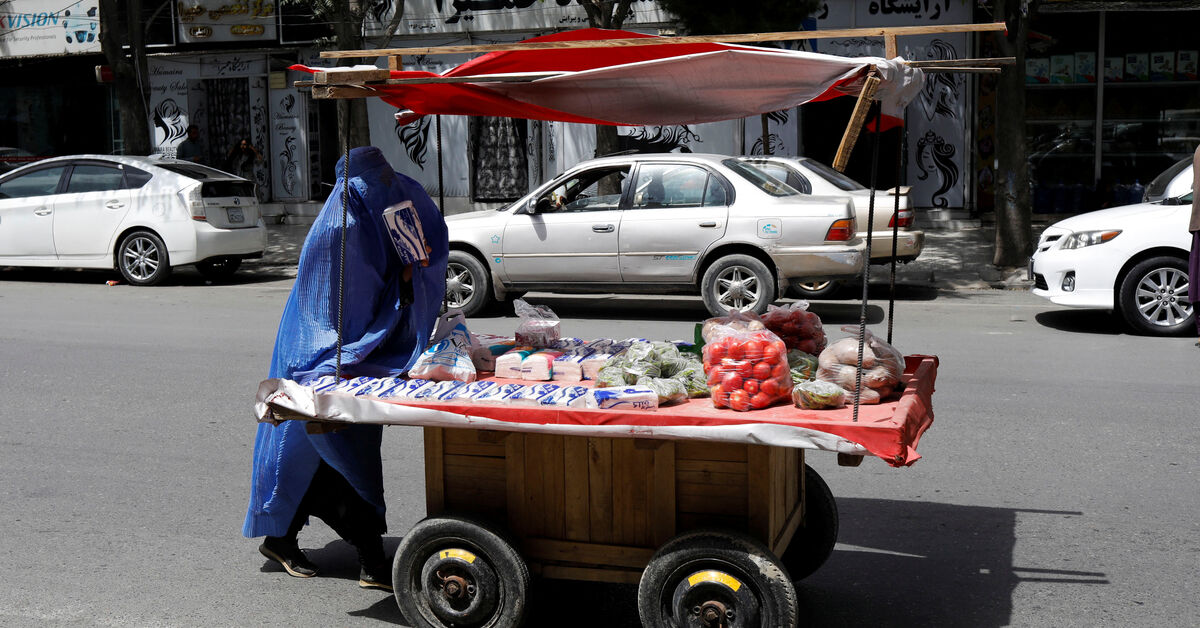
The women's share of the Afghan labour market has shrunk to 5% under the Taliban, with the International Labour Organization calling for measures to address their 'severe exclusion'. The report attributed the decline to Taliban restrictions on women's education and employment.
The women's share of the Afghan labour market has shrunk to 5% under the Taliban. This means that only a small percentage of women are working in Afghanistan. The Taliban's restrictions on women's education and employment are the main reason for this decline.
Analysis
Women's Share of Afghan Labour Market Shrinks to 5% Under Taliban, UN Says
The International Labour Organization (ILO) has reported that the portion of women in Afghanistan's workforce has fallen to just 5% since the Taliban takeover five years ago. This decline is attributed to Taliban restrictions curtailing women's education and employment. The report highlights the need for measures to address the 'severe exclusion' of women from the labour market.
Rapid Population Growth Amid Returns of Afghans
The ILO report also notes that Afghan employment increased by 14% from a 2022 low, reaching 8.5 million in 2026. However, this growth has not kept pace with rapid population growth amid large-scale returns of Afghans from neighbouring countries like Pakistan.
Women's Businesses Increase Ten-Fold
Despite the decline in women's participation in the workforce, the number of women's businesses has increased ten-fold since the takeover. This is due to their exclusion from many other professions, according to the U.N. Development Programme. However, this increase is not enough to offset the decline in women's employment.
Afghanistan Has Second-Lowest Level of Female Employment
Afghanistan has the second-lowest level of female employment in the world after Yemen, according to the ILO report. This is a significant concern for the country's economic development and social stability.
Key points
- The women's share of the Afghan labour market has shrunk to 5% under the Taliban.
- The decline is attributed to Taliban restrictions on women's education and employment.
- The number of women's businesses has increased ten-fold since the takeover.
- Afghanistan has the second-lowest level of female employment in the world after Yemen.
If the Taliban were to lift their restrictions on women's education and employment, it could lead to an increase in women's participation in the workforce. This could have a positive impact on the country's economic development and social stability.
If the Taliban continue to restrict women's education and employment, it could lead to a further decline in women's participation in the workforce. This could have a negative impact on the country's economic development and social stability.