A broken economy and an emboldened regime: Iranians abandoned to endure fallout from war
Iranians say war, repression and an internet blackout have worsened daily life while strengthening the regime and dimming hopes of change.
Intelligence analysis by GPT-5.4 Mini
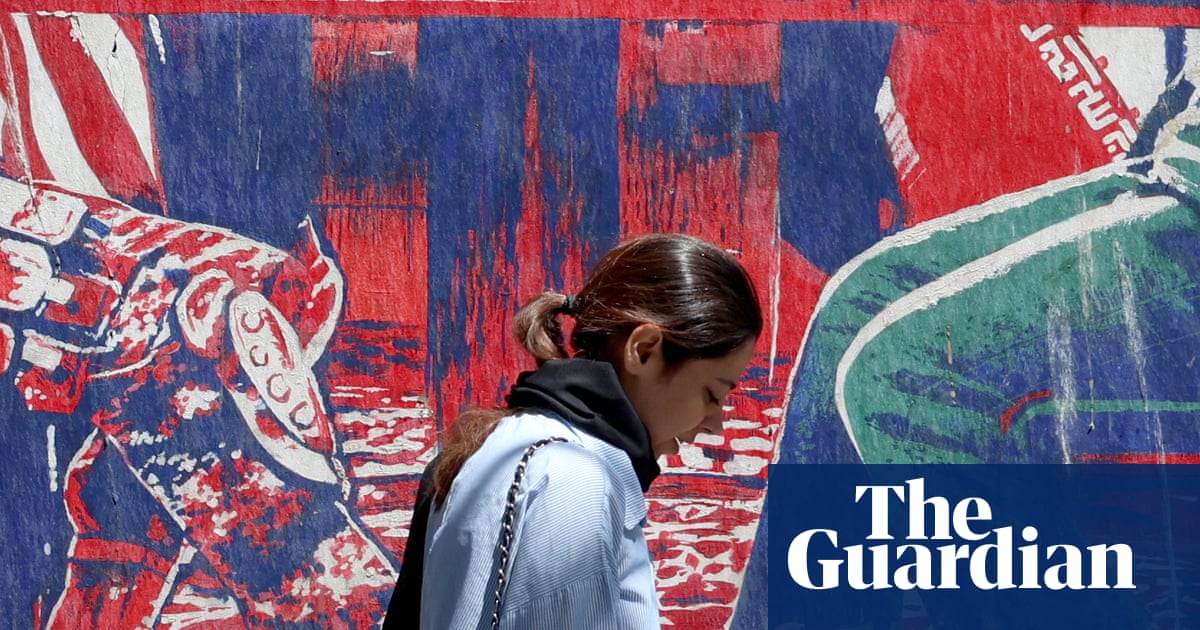
The Guardian reports that after the US-Israel war and a hard crackdown, many Iranians feel abandoned: livelihoods are damaged, repression has intensified, and the regime appears stronger, not weaker. Some who once backed foreign pressure now fear the cost has been too high.
Iranian people hoped pressure from outside might help change their leaders. Instead, the fighting hurt jobs, shops, and daily life, and the ruling system seems stronger than before.
The article says prices went up, the internet was cut off for a long time, and many people were scared by arrests and raids. It is like a house taking a hit in a storm, then getting less repair and more trouble.
Some people now feel trapped between war damage and strict rules at home. They are not talking about winning; they are talking about getting through the day.
Analysis
Political fallout
The article describes a country that entered the war already under pressure from protests and then absorbed another wave of disruption. Some Iranians who had hoped external pressure might weaken the state now say the opposite happened: the regime looks more emboldened, while ordinary people are left to absorb the damage.
The Guardian says the crackdown on anti-government protests was severe, with rights groups reporting mass arrests and executions. Interviewees describe raids, fear, family divisions, and a wider sense that political debate has narrowed into survival. One activist says the public display of weapons training and the use of children in checkpoint-related roles has unsettled many people and raised concern that war is being normalized.
Economic strain
The article ties the political mood to a deteriorating economy. It says grocery prices and medicine costs have soared, and a nearly 90-day internet blackout hurt incomes and access to work. Business owners and artists interviewed by the paper say they feel humiliated, exhausted, and unsure whether the ceasefire can hold.
The piece also argues that the war damaged civilian life and infrastructure, with music schools, homes, shops and other sites reported destroyed or badly affected. For several voices in the story, the central fear is not just more fighting, but a long period of economic misery and repression that leaves protest, recovery, and normal life far out of reach.
Key points
- Many Iranians in the article say the war has damaged livelihoods more than it has changed power in Tehran.
- Interviewees describe a harder crackdown, including arrests, executions and raids tied to the unrest.
- A long internet blackout and rising prices have made basic life more difficult for households and businesses.
- Some people who once wanted foreign intervention now say the cost has been too high.
- The article says fear of renewed war is now mixed with fear of deeper repression and economic collapse.