Australian regulator TGA warns of ‘rare but severe’ eye disorder linked to GLP-1 drugs like Ozempic
Australia's Therapeutic Goods Administration (TGA) has warned about a rare but severe eye disorder, non-arteritic anterior ischaemic optic neuropathy (NAION), linked to GLP-1 drugs like Ozempic, Wegovy, and Mounjaro. The condition can lead to permanent vision loss.
Intelligence analysis by Gemini 2.5 Flash Lite
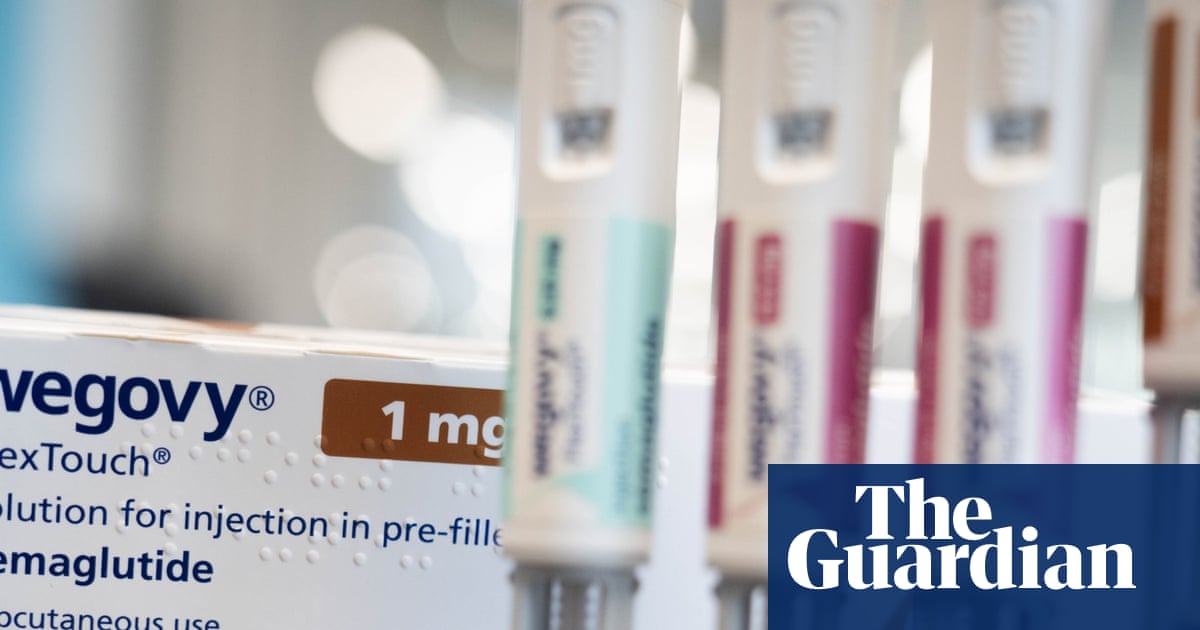
The TGA has updated product information for popular diabetes and weight-loss drugs, including Ozempic and Mounjaro, following 36 reported cases of a rare eye disorder, NAION, which can cause permanent vision impairment. While the regulator advises patients to seek urgent medical attention for sudden vision loss, it does not recommend stopping treatment without consulting a doctor, emp…
Imagine some popular medicines that help people with diabetes or weight problems. Doctors found that very, very rarely, these medicines might cause a serious eye problem that can make it hard to see. It's like a tiny chance of a big problem, so doctors want to make sure people know to tell them right away if their vision changes suddenly, but they shouldn't stop taking the medicine without asking first because it helps a lot with other health issues.
Analysis
A Rare but Severe Ocular Risk
The Australian Therapeutic Goods Administration (TGA) has issued a significant warning concerning a rare but severe eye disorder, non-arteritic anterior ischaemic optic neuropathy (NAION), associated with the use of GLP-1 receptor agonist (GLP-1 RA) medications. These drugs, widely prescribed for type 2 diabetes and increasingly for obesity, include prominent brands such as Ozempic, Wegovy, and Mounjaro. The TGA's alert stems from the identification of 36 cases of NAION linked to these treatments. This condition is particularly concerning as it can result in permanent visual impairment, with no established treatment proven to restore visual acuity once it develops. The TGA's action involves updating product information to reflect this risk, urging patients to seek immediate medical attention if they experience sudden vision loss, such as partial vision impairment.
Balancing Benefits and Risks
Despite the serious nature of NAION, health professionals are cautioning against undue alarm and advising against the immediate cessation of these medications. Professor Helen Danesh-Meyer from the Royal Australian and New Zealand College of Ophthalmologists emphasized that NAION is an exceptionally rare condition. She highlighted that the benefits of GLP-1 RAs in managing common and life-threatening conditions like heart attacks, strokes, and kidney disease often outweigh the minimal risk of vision loss for many patients. Consequently, the TGA does not recommend that patients discontinue their treatment without consulting their healthcare provider, and no new prescription restrictions have been imposed. This stance underscores the critical role these drugs play in managing chronic diseases, suggesting a careful, individualized approach to patient care.
Regulatory Scrutiny and Evidence Assessment
The TGA's awareness of the potential link between GLP-1 RAs and NAION emerged in 2024, prompted by a study published in a peer-reviewed medical journal. Since then, the regulator has been closely monitoring further evidence. An independent assessment was conducted to evaluate the association, though the TGA noted that the available evidence was conflicting. Seeking expert advice from the national advisory committee on medicines, the TGA aimed to determine if additional risk-mitigation measures were warranted. The committee's conclusion supported the need for enhanced safety warnings for both consumers and clinicians, leading to the updated product information. The national adverse event database recorded 36 cases, with Ozempic and Wegovy (semaglutide) accounting for 23, Mounjaro (tirzepatide) for 10, and Saxenda (liraglutide) for three, while dulaglutide (Trulicity) showed no reported cases.
Key points
- Australia's TGA has warned of a rare but severe eye disorder, NAION, linked to GLP-1 drugs like Ozempic, Wegovy, and Mounjaro.
- 36 cases of NAION have been reported in Australia associated with these medications, potentially leading to permanent vision loss.
- The TGA has updated product information and advises patients to seek urgent medical attention for sudden vision changes.
- Experts emphasize that NAION is rare and the benefits of these drugs in managing serious health conditions often outweigh the risks.
- Patients are advised not to stop treatment without consulting a doctor.
If patients and doctors remain vigilant and adhere to updated guidance, the benefits of GLP-1 drugs in managing serious health conditions like diabetes and obesity can continue to be realized. Early detection of any visual disturbances will allow for prompt medical intervention, potentially mitigating the severity of NAION and ensuring patients can safely continue treatments that improve their overall health outcomes.
There is a risk that widespread concern over this rare side effect could lead to patients unnecessarily discontinuing beneficial treatments, thereby increasing their risk of more common and severe health issues like heart attacks and strokes. Furthermore, if the link between GLP-1 RAs and NAION is underestimated or not managed effectively by healthcare providers, some patients could experience irreversible vision loss.