Bidirectional Charging: How an EV Can Earn Up to 900 Euros a Year
Bidirectional charging is slowly arriving in Germany, but it still works only for a narrow set of cars and tariffs. For some owners, it can bring in hundreds of euros a year.
Intelligence analysis by GPT-5.4 Mini
German utilities are beginning to pay EV owners for using their car batteries as grid storage, but the setup is still expensive and tied to a handful of models. The pitch is real income, yet the early market remains narrow and complicated.
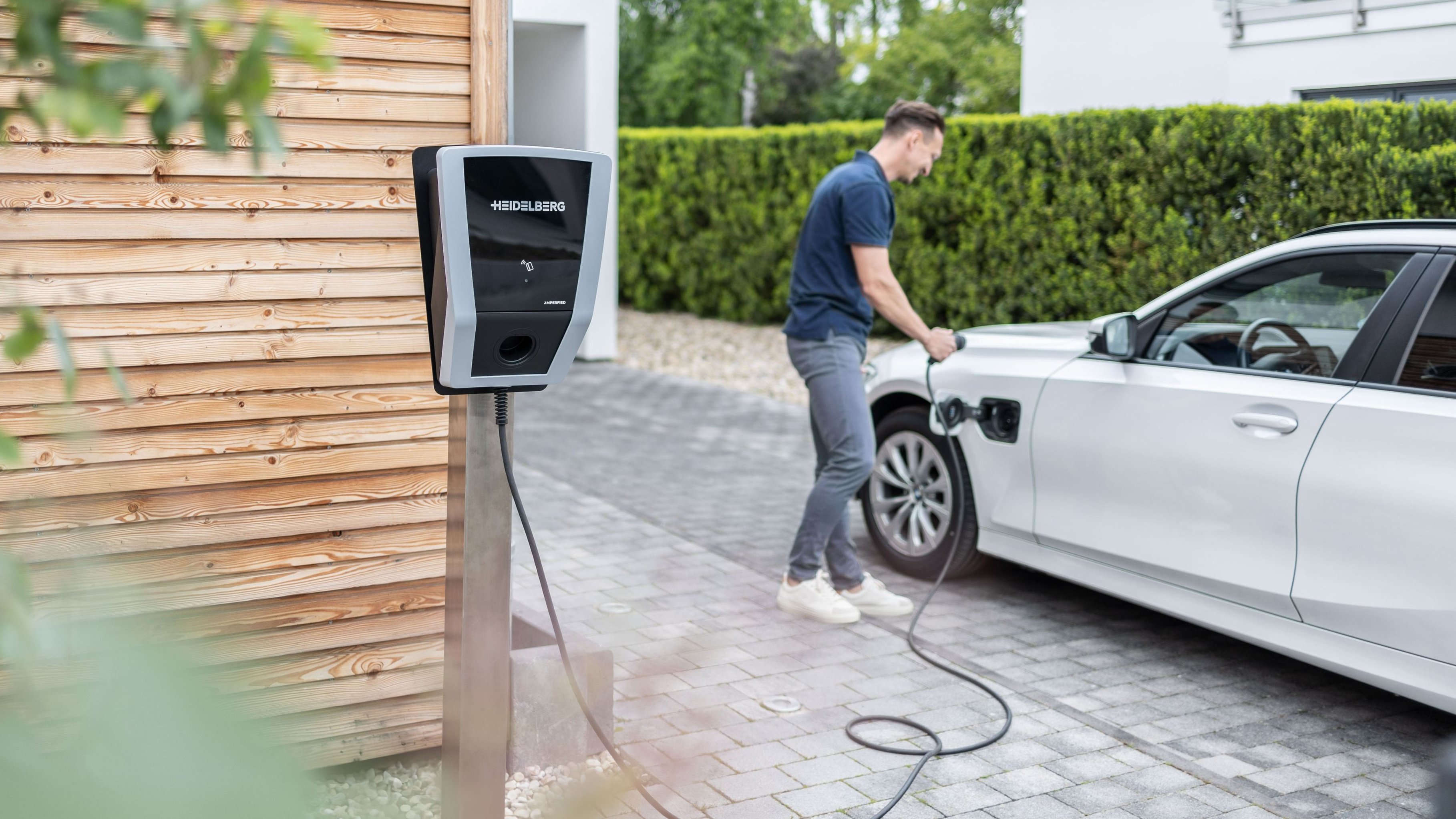
An electric car can sometimes act like a spare battery for the power grid. If its owner plugs it in the right way, the car can earn money while the electricity company borrows its stored power for a while.
Analysis
What is changing
Bidirectional charging, also called vehicle-to-grid, lets an electric car send power back into the grid through a special wallbox. The article says the technology has been technically possible for years, but in Germany legal and administrative barriers have slowed it down.
Who is offering it
Eon has launched a first private-customer tariff that makes the setup financially attractive, starting with buyers of the new BMW iX3. Other offers are coming through partnerships: Ford with Octopus Energy, Mercedes and Renault with The Mobility House, and VW with Elli. The basic model is the same: the car battery acts like a flexible power store, and the owner gets paid for making it available.
How the money works
Eon pays 24 cents per hour on the bidirectional cable, with a monthly cap of 60 euros and a yearly maximum of 720 euros. To reach that ceiling, the car must stay connected for a little more than eight hours a day on average. The company says it offsets charging losses too: customers pay about 33 cents per kWh to store power and receive 40 cents back when it is discharged. Owners can set a target charge level in an app so the car still has enough range in the morning.
Why adoption is still limited
The article stresses that the biggest obstacle is not only the tariff but also the hardware and model restrictions. The offers are tied to specific brands and, in some cases, specific models. Eon’s tariff does not currently work with BMW i4, iX, or i7 models, and Mercedes is initially limiting its offer to the new CLA and GLC EVs. Renault is starting with the R5, and Ford with the Capri and Explorer. A special DC wallbox, often costing 2,000 to 4,000 euros, plus a smart meter and installation, makes the upfront investment high.
The bigger picture
Eon says the payback period can still be around three years even in the best case, before the wallbox cost is recovered. That is why the article argues that open standards and interoperability are essential if bidirectional charging is ever to move beyond an early-adopter niche.
Key points
- Bidirectional charging is technically ready, but Germany still has legal and administrative hurdles.
- Eon has launched a private tariff that pays EV owners for letting their battery support the grid.
- The best-case earning potential in the article is up to 720 euros a year with Eon, while other offers are described in the 600 to 900 euro range.
- The setup is expensive because it often needs a DC wallbox, a smart meter, and installation work.
- Compatibility is tightly limited to specific brands and models, which makes switching cars difficult.
If more car makers and utilities adopt open standards, bidirectional charging could become a useful source of extra income for EV owners. It could also help balance periods of surplus solar power and higher evening demand.
The current offers are limited to a few models and require costly equipment, so many drivers may never make the investment back. If car compatibility stays fragmented, the market could remain a small niche instead of becoming a broad energy tool.