Cannabis-Related Crashes Should Be Included in Official Statistics
Germany wants serious traffic accidents linked to cannabis to be recorded in official statistics to better assess road safety after legalization.
Intelligence analysis by GPT-5.4 Mini
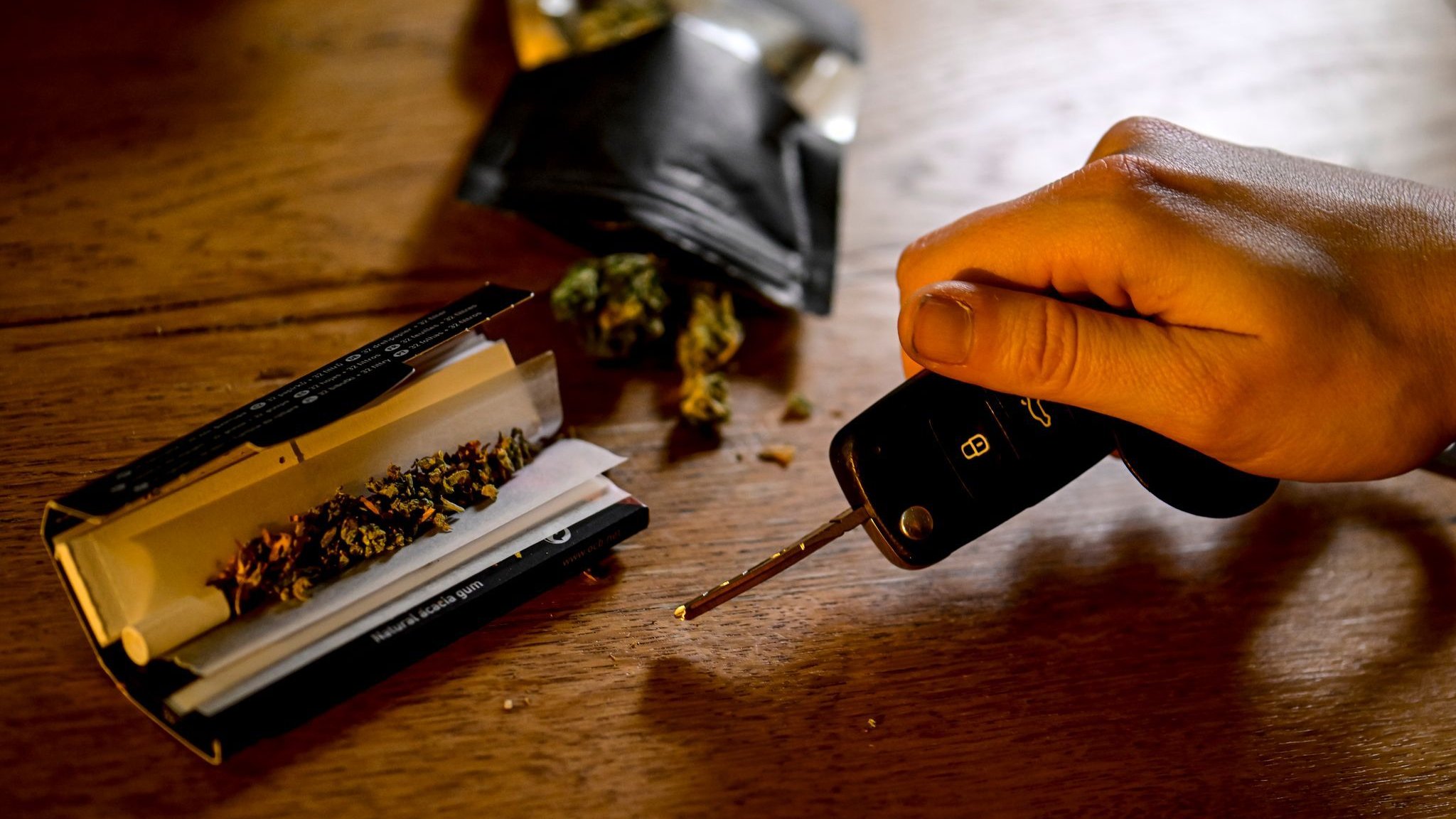
A draft law from the transport ministry would add cannabis impairment data to Germany’s crash statistics, alongside alcohol data. The aim is to make it easier to study whether legalization and the THC driving limit affect road safety.
Germany wants to keep better scorecards for car crashes where cannabis may have played a role. It is like adding a new column to a school chart so teachers can see patterns and decide how to make the roads safer.
Analysis
What changes
Germany’s transport ministry wants serious traffic accidents involving cannabis impairment to be added to the official road accident statistics. The proposal goes to the Bundesrat on Friday, and it would let authorities evaluate how cannabis affects road safety.
What would be recorded
The new rule would add data on the degree of cannabis influence, similar to how alcohol impairment is already tracked. Police would record THC-related findings from accident scenes. The statistics would cover crashes where at least one person was killed or injured, as well as severe property-damage accidents. They would also continue to collect information such as age, sex, vehicle type and how long the driver has held a license.
Context
Germany legalized cannabis in 2024 under strict conditions. Since August 2024, a legal THC driving limit of 3.5 nanograms per milliliter of blood serum has applied. Drivers above that threshold generally face a 500-euro fine, a one-month driving ban and two points in Flensburg. If alcohol is also involved, the standard penalty is higher. Drivers under 21 and people in the two-year probationary period are subject to a separate cannabis ban, and the 3.5-ng limit does not apply to them.
Why the ministry wants it
The ministry says the data should improve accident research, including questions about who causes cannabis-related crashes and how young drivers or new license holders behave. It also says the information could support more targeted prevention and public education.
The story is not about a new legalization step. It is about adding measurement and oversight so the state can judge the effects of the existing rules more accurately.
Key points
- Germany wants serious cannabis-related crashes added to official traffic statistics.
- Police would record the degree of THC influence, similar to alcohol impairment data.
- The data would cover fatal, injury and severe property-damage accidents.
- The transport ministry says the change would improve research, prevention and public education.
- The move follows Germany’s 2024 cannabis legalization and the 3.5-nanogram THC driving limit.
If the plan works, Germany would get clearer data on how cannabis affects driving, making road safety research more precise. Better evidence could help police, lawmakers and educators focus prevention where it is most needed.
The new statistics may still be hard to interpret, because THC levels and real driving impairment do not always line up neatly. If the data is incomplete or inconsistent, it may not settle debates about cannabis and road safety.