Chicken farms and the reality of food production in Britain
George Monbiot's article on industrial poultry farming harming rivers is disputed by British Poultry Council's Richard Griffiths and NFU Poultry Board's Will Raw, who argue that their farms operate responsibly and have permits issued by the Environment Agency.
Intelligence analysis by Llama
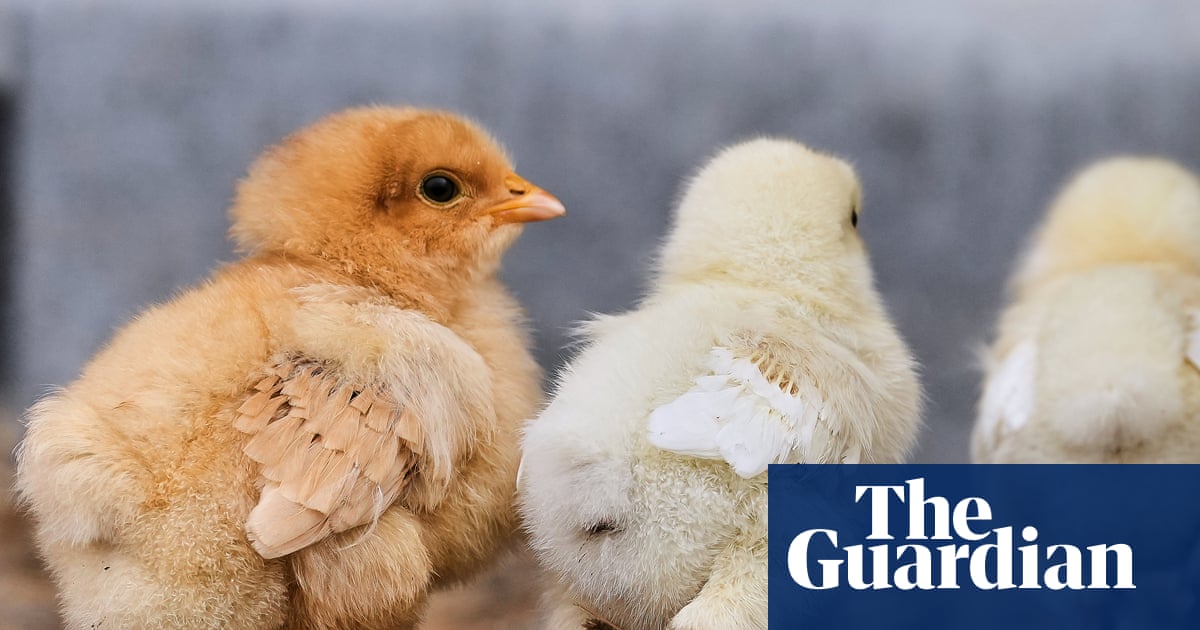
British poultry farmers dispute George Monbiot's claims that their industry harms rivers, citing responsible practices and permits issued by the Environment Agency.
Some people think that big chicken farms are hurting the environment, but the farmers say they're doing a good job and taking care of the land. They're using the chicken poop to make energy or to help other farms grow food. It's like a big circle where everyone helps each other out.
Analysis
A Reality Check on Food Production in Britain
The recent article by George Monbiot, in which he argues that industrial poultry farming is killing our rivers, has sparked a heated debate. However, the reality of food production in Britain is far more complex and nuanced than Monbiot's claims suggest. British poultry farmers, such as Richard Griffiths, Chief Executive of the British Poultry Council, and Will Raw, Chair of the NFU Poultry Board, have come forward to dispute Monbiot's assertions. They argue that their farms operate responsibly and have permits issued by the Environment Agency, which provides transparency on how manure is managed on site and where it goes when it leaves. The chicken manure produced in the UK is used either for energy generation or as a fertilizer by other farming sectors, with full traceability. This means that manure will often be transported across the country to be used where it is most needed. The fact that some of our rivers are facing issues is not a reason to blame a sector that Monbiot does not like. Instead, we should focus on addressing the real challenges facing our environment and finding practical ways to deliver both food and nature. The farming sector, government, regulators, and the public must engage in constructive dialogue to meet environmental requirements and achieve domestic food security. British poultry farmers are committed to sustainability and have invested millions of pounds into new technology and infrastructure to ensure that valuable nutrients are utilized responsibly. The real challenge is not choosing between food and nature, but finding practical ways to deliver both. By visiting one of their farms, Monbiot could see for himself that British poultry farmers remain fully committed to playing their part in protecting the environment. The debate over industrial poultry farming's impact on the environment is crucial for food security and sustainability in Britain. It is time to move beyond the social-media-friendly rhetoric and focus on the reality of food production in Britain.
Key points
- British poultry farmers dispute George Monbiot's claims that their industry harms rivers.
- Their farms operate responsibly and have permits issued by the Environment Agency.
- The chicken manure produced in the UK is used for energy generation or as a fertilizer by other farming sectors.
- The farming sector, government, regulators, and the public must engage in constructive dialogue to meet environmental requirements and achieve domestic food security.
If the farming sector, government, and regulators work together, they can find practical ways to deliver both food and nature, ensuring a sustainable future for Britain's environment and food security.
If the debate over industrial poultry farming's impact on the environment continues to be polarized, it may lead to a lack of progress in addressing the real challenges facing our environment and achieving domestic food security.