Chinese stem cell therapy reverses heart failure in 90% of patients in landmark trial
A hospital in east China has used reprogrammed stem cells to treat severe heart failure, with 90 per cent of patients showing significant recovery in heart function after the novel therapy.
Intelligence analysis by Llama
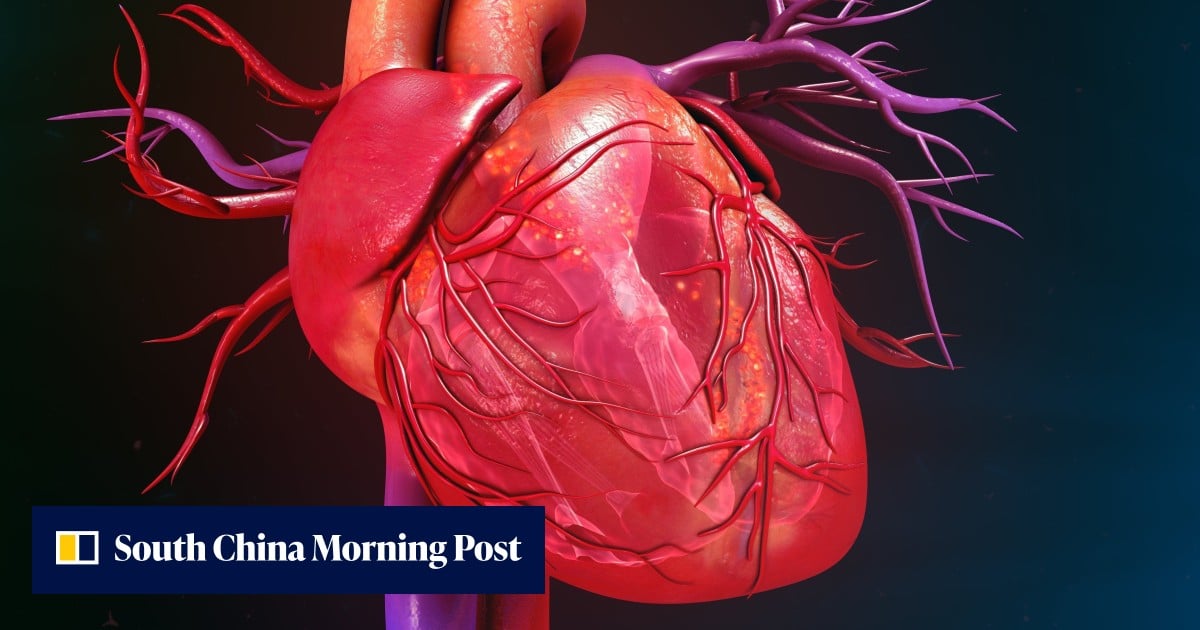
A landmark trial in China has found that stem cell therapy can reverse heart failure in 90% of patients. The treatment uses reprogrammed stem cells to grow new heart muscle tissue and restore function.
Imagine your heart is like a muscle that gets tired and weak. Scientists have found a way to use special cells called stem cells to help your heart grow new muscle and get stronger again. This could be a new way to treat people with heart failure, which is when their heart gets too weak to pump blood properly.
Analysis
Background
The study, published in Nature Medicine, was conducted at Nanjing Drum Tower Hospital, affiliated with Nanjing University. The researchers used induced pluripotent stem cells (iPSCs) to derive heart muscle cells, which were then injected into patients with severe heart failure.
What Changed
The study found that nine out of 10 patients who received the stem cell therapy had significantly better cardiac function at the 12-month follow-up compared with the control group. This is a major breakthrough in the treatment of heart failure, which is a leading cause of morbidity and mortality worldwide.
Implications
The use of stem cell therapy to treat heart failure has the potential to revolutionize the treatment of this condition. Currently, heart transplants are the only cure for heart failure, but donor hearts are scarce. This new treatment could provide a viable alternative for patients with severe heart failure. Additionally, the use of iPSCs to derive heart muscle cells could potentially reduce the risk of rejection and improve the success rate of the treatment.
Next Steps
Further research is needed to confirm the results of this study and to explore the potential of stem cell therapy in the treatment of heart failure. The researchers plan to conduct larger-scale clinical trials to evaluate the safety and efficacy of the treatment.
Key points
- A landmark trial in China has found that stem cell therapy can reverse heart failure in 90% of patients.
- The treatment uses reprogrammed stem cells to grow new heart muscle tissue and restore function.
- Further research is needed to confirm the results of this study and to explore the potential of stem cell therapy in the treatment of heart failure.
If this treatment is successful, it could provide a new hope for patients with severe heart failure. It could also reduce the need for heart transplants and improve the quality of life for patients with this condition.
However, there are still many challenges to overcome before this treatment can be widely adopted. These include the need for further research to confirm the results of this study and to explore the potential of stem cell therapy in the treatment of heart failure.