Taiwan proposes record US$35b defence budget for 2027 as PLA’s pressure grows
Taiwan has unveiled a record NT$1.12 trillion (US$35 billion) defence budget for 2027, with sharp increases in spending on weapons, ammunition and military operations amid growing pressure from Beijing.
Intelligence analysis by Llama
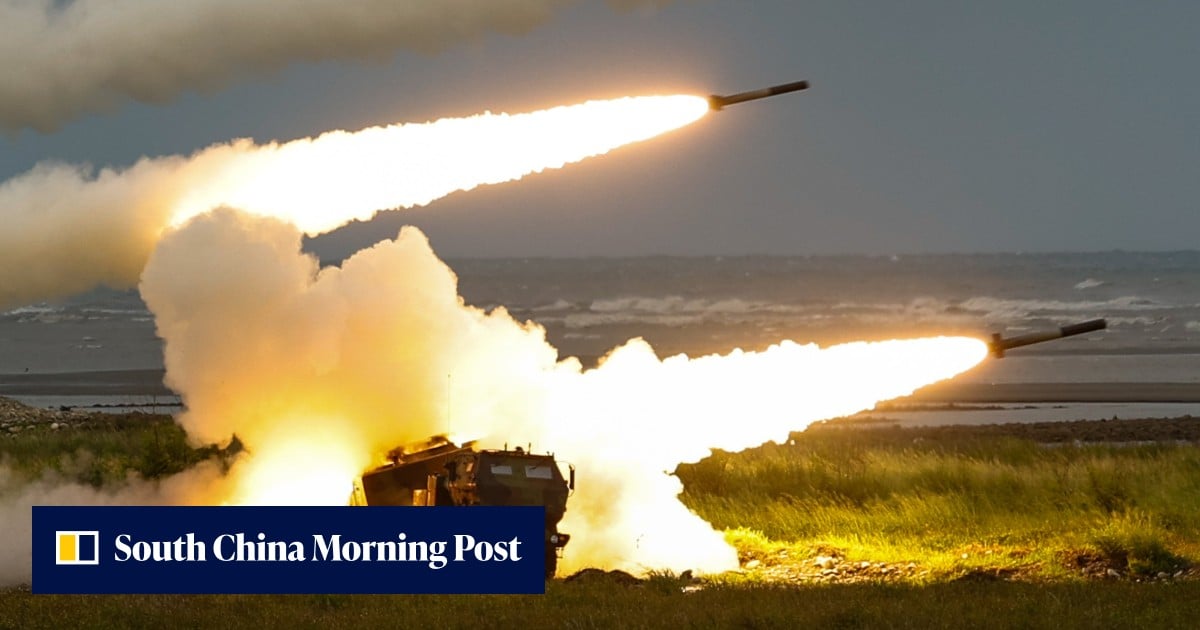
Taiwan has proposed a record NT$1.12 trillion defence budget for 2027, with a 18.2% increase in spending on weapons, ammunition and military operations. The budget accounts for 28.6% of the government's proposed NT$3.93 trillion expenditure next year.
Taiwan is proposing a record high defence budget for 2027 to strengthen its military capabilities and deter the growing military pressure from China. The budget includes a sharp increase in spending on weapons, ammunition and military operations, which will help Taiwan to better defend itself against China's military actions.
Analysis
Taiwan's Defence Budget: A Record High Amid Growing Pressure from Beijing
Taiwan's proposed defence budget for 2027 is a record NT$1.12 trillion, with a sharp increase in spending on weapons, ammunition and military operations. This budget accounts for 28.6% of the government's proposed NT$3.93 trillion expenditure next year, making it a significant portion of the overall budget. The increase in defence spending is aimed at strengthening Taiwan's deterrence against growing military pressure from the People's Liberation Army (PLA) and repeated calls from Washington for Taipei to spend more on its own defence.
The proposed budget is a response to the increasing military pressure from the PLA, which has been conducting regular military exercises and drills near Taiwan's borders. The PLA's actions have raised concerns among Taiwanese leaders and the international community, with many calling for increased defence spending to strengthen Taiwan's deterrence.
Taiwanese leader William Lai Ching-te has pledged to raise overall defence spending to 5% of gross domestic product by 2030 to strengthen the island's deterrence. The proposed budget is a step in this direction, with military investment rising by NT$97.5 billion to NT$259.1 billion, accounting for the biggest part of the increase.
The increase in defence spending is also aimed at addressing the growing concern of Taiwan's military capabilities. The PLA's military modernization has raised concerns among Taiwanese leaders, with many calling for increased defence spending to strengthen Taiwan's deterrence. The proposed budget is a response to these concerns, with a focus on strengthening Taiwan's military capabilities and deterring the PLA's military actions.
In conclusion, Taiwan's proposed defence budget for 2027 is a record high, with a sharp increase in spending on weapons, ammunition and military operations. The budget is a response to the growing military pressure from the PLA and repeated calls from Washington for Taipei to spend more on its own defence. The increase in defence spending is aimed at strengthening Taiwan's deterrence and addressing the growing concern of Taiwan's military capabilities.
Key points
- Taiwan has proposed a record NT$1.12 trillion defence budget for 2027
- The budget includes a sharp increase in spending on weapons, ammunition and military operations
- The increase in defence spending is aimed at strengthening Taiwan's deterrence against growing military pressure from the PLA
- Taiwanese leader William Lai Ching-te has pledged to raise overall defence spending to 5% of gross domestic product by 2030
If the proposed defence budget is implemented, it could lead to a stronger and more capable Taiwanese military, which would be better equipped to deter the PLA's military actions and protect Taiwan's sovereignty.
However, the increased defence spending could also lead to a higher risk of conflict with China, as the PLA may view the increased military capabilities of Taiwan as a threat to its own national security.