Could the delay to China’s moon mission ease pressure on Nasa?
China's Chang'e-7 moon mission, aimed at hunting for water ice near the lunar south pole, has been delayed until next year, potentially easing political pressure on NASA.
Intelligence analysis by Gemini 2.5 Flash
China's high-stakes Chang'e-7 lunar mission was postponed just hours before its scheduled lift-off, with authorities citing unmet "launch requirements" and an approaching tropical storm. While this delay slows China's immediate lunar ambitions, space experts suggest it will not fundamentally alter the broader US-China competition for a lasting presence on the moon, though it may offer…
Imagine two big teams, China and America, are having a race to build the best clubhouse on the moon, especially near a special icy spot. China's team had their rocket, Chang'e-7, all ready to go, but they had to press pause because of some tricky rules and a big storm. This means America's team, NASA, gets a little extra time to plan without feeling quite so rushed, but everyone knows the race to the moon is still very much on!
Analysis
Chang'e-7
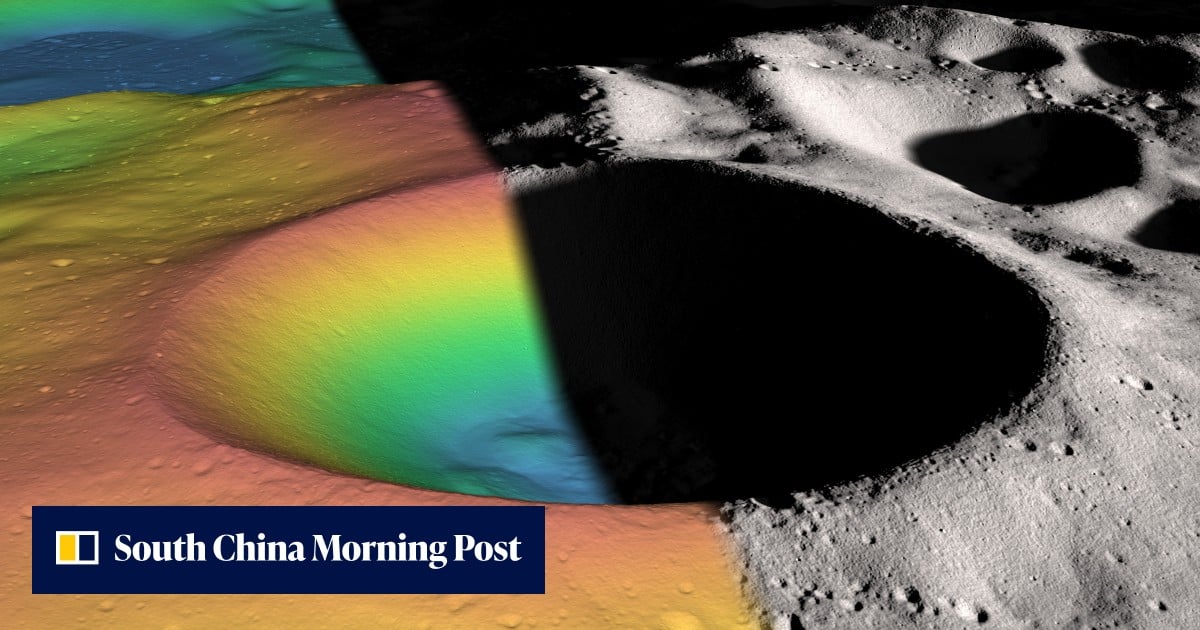
China's ambitious Chang'e-7 mission, designed to explore for water ice near the moon's south pole, has been postponed from its original launch schedule until next year. The delay was announced just hours before the planned lift-off, with Chinese space authorities stating that the mission did not "meet the launch requirements." An approaching major tropical storm was also noted as a factor, leading to the rocket being rolled back to its assembly building.
This postponement, while not entirely unexpected by space specialists, signifies a temporary slowdown in China's immediate lunar exploration timeline. The mission's objective to locate water ice is crucial for future long-term lunar habitation and resource utilization, making its delay a notable event in the ongoing global space race.
John Sheldon
John Sheldon, a space security strategist and co-founder of AstroAnalytica, offered insights into the implications of the Chang'e-7 delay. He emphasized that space professionals in the United States would not be celebrating the postponement, acknowledging that similar variables, such as weather or technical requirements, can and do affect US lunar missions as well. This perspective underscores the shared challenges inherent in complex space operations, regardless of the nation.
However, Sheldon also highlighted a political dimension to the delay. He suggested that a later Chang'e-7 launch could ease some pressure on NASA. By pushing back the prospect of another successful Chinese moon landing, the delay temporarily avoids the "media and political angst" that such an achievement might generate in Washington, allowing NASA a brief respite from intensified scrutiny.
Washington
The political landscape in Washington is significantly influenced by the progress of the US-China space race, particularly concerning lunar ambitions. A successful and timely Chinese moon landing, especially one involving the strategic south pole, often triggers heightened media attention and political pressure on NASA to accelerate its own lunar programs, such as the Artemis missions. The delay of Chang'e-7, therefore, provides a temporary easing of this specific type of pressure.
Despite this immediate relief, experts like Sheldon maintain that the postponement is unlikely to alter the fundamental, long-term contest between the United States and China over establishing a lasting presence on the moon. The strategic importance of lunar resources and potential future bases ensures that the competition will continue, with both nations committed to their respective lunar exploration roadmaps, albeit with occasional adjustments due to operational realities.
Key points
- China's Chang'e-7 moon mission, targeting water ice at the lunar south pole, has been delayed until next year.
- No specific reason was given for the postponement, though a tropical storm was approaching the launch site.
- Space experts believe the delay will not alter the long-term US-China contest for a lasting moon presence.
- The postponement could, however, temporarily ease political and media pressure on NASA in the United States.
The delay could provide Chinese space authorities with valuable time to conduct further checks and refinements, potentially enhancing the mission's success rate and overall safety. For NASA, this temporary reprieve might allow for more strategic planning and resource allocation without the immediate pressure of a rival's imminent success, fostering a more deliberate approach to its own lunar objectives.
The postponement could signal underlying technical or logistical challenges within China's lunar program, potentially leading to further delays or increased costs for future missions. For the US, while immediate political pressure might lessen, it could also inadvertently reduce the sense of urgency, potentially slowing down NASA's progress in the long-term lunar race.