Council wants pubs in London’s Soho and West End to ban standing
Westminster council has recommended banning 'vertical drinking' and ordering at the bar in its new draft licensing policy, which also proposes to ban the opening of new pubs and bars in the Soho and West End area.
Intelligence analysis by Llama
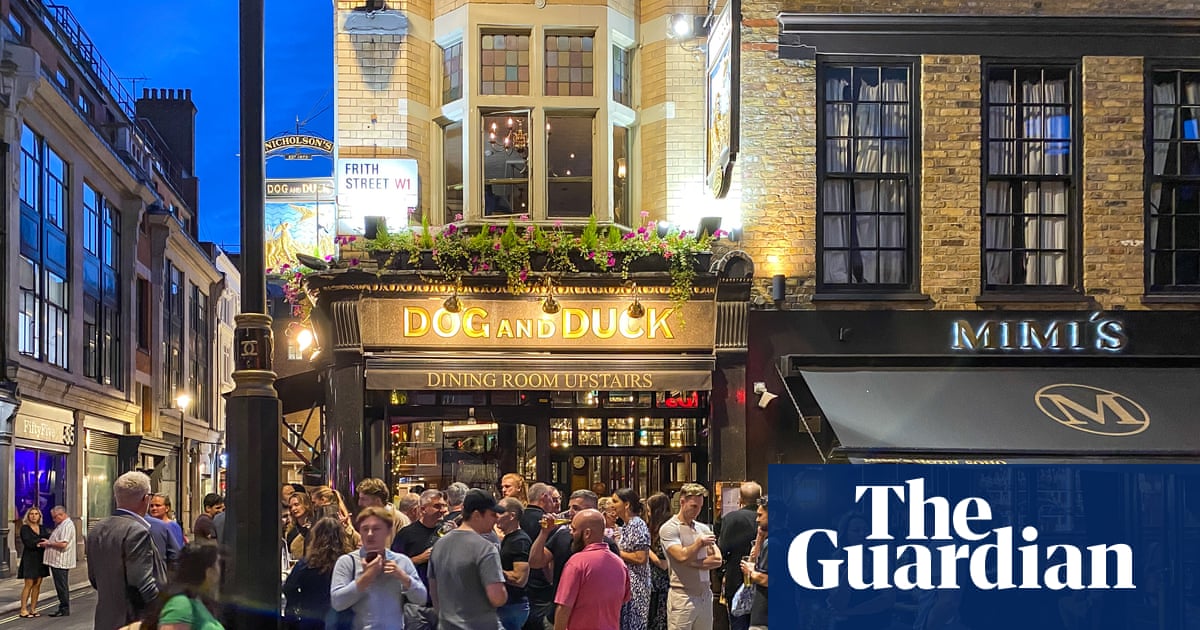
Westminster council's draft licensing policy aims to discourage excessive drunkenness and encourage more seating in pubs, recommending that sales of alcohol and food should be by waiter or waitress service only. The policy has been met with criticism from the hospitality industry, with many arguing that it will change the character of traditional pubs and reduce capacity.
Imagine going to a pub with your friends and waiting at the bar to order a drink. Then, you go to stand with your friends and have a catchup. This is how people have experienced going to the pub for centuries. But now, Westminster council wants to stop this by banning 'vertical drinking' and ordering at the bar. They want people to sit down and order food by table service instead. This is seen as a threat to traditional pubs and the way people socialize.
Analysis
A Threat to Traditional Pubs
Westminster council's draft licensing policy has sparked controversy in the hospitality industry, with many arguing that it will change the character of traditional pubs and reduce capacity. The policy aims to discourage excessive drunkenness and encourage more seating in pubs, recommending that sales of alcohol and food should be by waiter or waitress service only. This approach is seen as restrictive and anti-growth, with many arguing that it will limit the flexibility of responsible businesses already under significant financial pressure.
The Impact on the Hospitality Industry
The policy has significant implications for the hospitality industry in London's Soho and West End area, with many businesses already under financial pressure. The decision will also impact the character of traditional pubs and the way people socialize. Standing in pubs has always been part of Britain's pub culture, allowing people to mix and socialize as they wish. The policy's focus on reducing standing space risks changing the very character of these venues while reducing capacity and increasing operating costs.
Sadiq Khan's Response
Sadiq Khan, the mayor of London, has criticized the policy, calling it 'restrictive and anti-growth'. He has also announced plans to use new powers to be granted to him by government to stop councils from overreaching in this way. Khan's response is seen as a welcome move by the hospitality industry, which has been critical of the policy.
Key points
- Westminster council's draft licensing policy aims to discourage excessive drunkenness and encourage more seating in pubs.
- The policy recommends that sales of alcohol and food should be by waiter or waitress service only.
- The policy has been met with criticism from the hospitality industry, with many arguing that it will change the character of traditional pubs and reduce capacity.
- Sadiq Khan, the mayor of London, has criticized the policy, calling it 'restrictive and anti-growth'.
If the policy is implemented, it could lead to a more responsible and safe nightlife in the Soho and West End area. However, this would require careful management and enforcement to ensure that the policy does not have unintended consequences.
The policy could lead to a decline in the number of traditional pubs in the area, as well as a reduction in capacity and an increase in operating costs. This could have a negative impact on the local economy and the character of the area.