Raleigh owner starts insolvency proceedings
Accell, the Dutch parent company of iconic Nottingham bike manufacturer Raleigh, has initiated insolvency proceedings after exhausting all financial options.
Intelligence analysis by Gemini 2.5 Flash
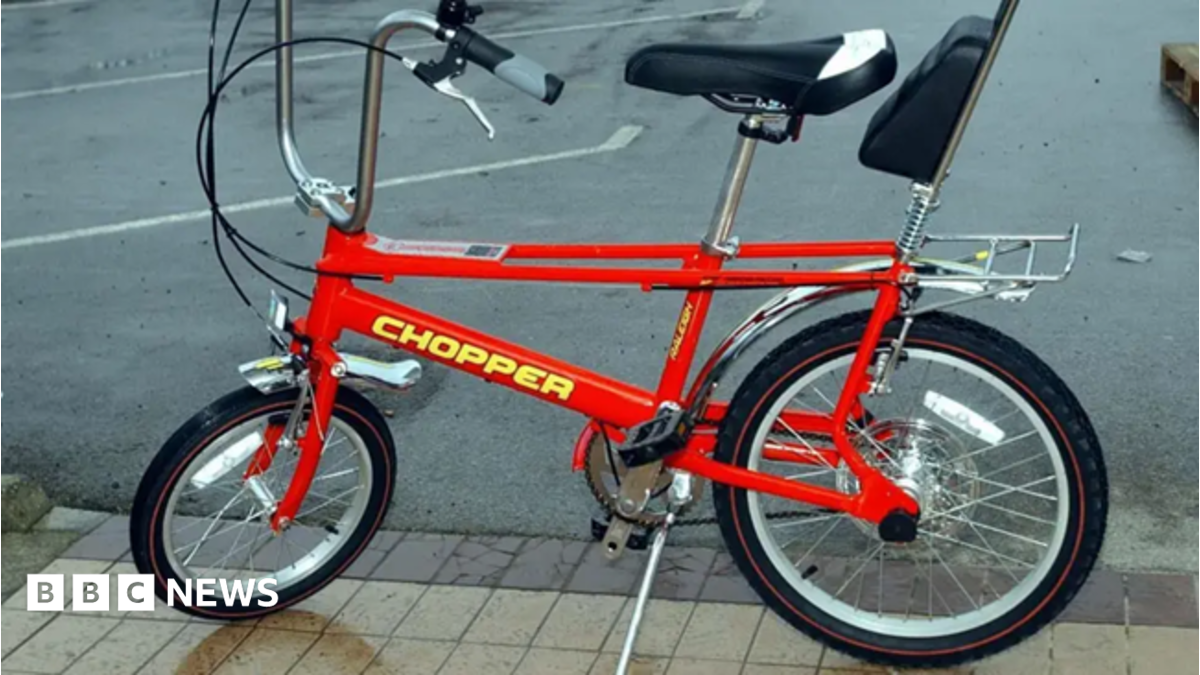
Accell, the Netherlands-based owner of the historic British bicycle brand Raleigh, has declared its inability to meet financial obligations and has begun insolvency proceedings. This decision follows a challenging period for Raleigh, marked by job cuts in 2024 and substantial financial losses of £30m in 2025, despite efforts to restructure operations.
Imagine a really old, famous bike company called Raleigh, which used to make bikes like the cool Chopper. The bigger company that owns Raleigh has run into big money problems and can't pay its bills anymore. This means they have to ask a special court to help them sort out their finances, which is a sad time for everyone who works there and loves the bikes.
Analysis
The Legacy and Decline of Raleigh
Raleigh, founded in Nottingham in 1887, once stood as the world's largest bicycle manufacturer, employing approximately 8,000 people at its peak. The brand is synonymous with iconic models like the Chopper, which cemented its place in cycling history. However, the company ceased bike manufacturing in Nottingham decades ago, and its operational footprint in the city has continued to shrink, including a move to new, smaller premises in 2024. This gradual decline from its manufacturing heyday underscores the broader challenges faced by traditional industries in adapting to globalized production and evolving consumer preferences.
Accell's Strategic Missteps and Financial Woes
Accell, the Dutch conglomerate that acquired Raleigh for $100m in 2012, has now declared its inability to meet financial obligations, leading to insolvency proceedings. This decision comes after a period of significant financial strain for Raleigh, including redundancies in 2024 and reported losses of £30m in 2025. Accell's chief executive, Jonas Nilsson, stated that the company had "exhausted all the available options" and that "every realistic option for the future of the business has been tirelessly explored." This suggests that despite strategic investments and restructuring efforts, the parent company was unable to reverse the financial trajectory of its British subsidiary, indicating potential misjudgments in market strategy or an underestimation of the competitive landscape.
The Path Forward for a Historic Brand
The initiation of insolvency proceedings by Accell casts a shadow of uncertainty over Raleigh's future. While Nilsson's statement emphasizes an immediate focus on an "orderly process" and working with administrators to "preserve viable activities and employment where circumstances allow," the outcome remains precarious. The brand's historical significance and established name recognition might attract potential buyers interested in salvaging parts of the business or its intellectual property. However, the substantial losses and the parent company's financial distress suggest that any continuation would likely involve significant restructuring, potentially leading to further job cuts and a scaled-down operation, marking a somber chapter for a once-dominant force in the global bicycle industry.
Key points
- Accell, the Dutch parent company of Raleigh, has begun insolvency proceedings.
- The company stated it has "exhausted all the available options" and can no longer meet financial obligations.
- Raleigh experienced redundancies in 2024 and reported losses of £30m in 2025.
- Raleigh, founded in 1887, was once the world's largest bicycle maker but stopped manufacturing in Nottingham decades ago.
- Accell's CEO, Jonas Nilsson, expressed sadness and frustration, focusing on an orderly process to preserve viable activities.
Despite the insolvency proceedings, Accell's statement about working to "preserve viable activities and employment where circumstances allow" suggests that parts of Raleigh's operations or brand could be salvaged, potentially under new ownership or a restructured entity, ensuring its continued presence in the market.
The immediate consequence of insolvency is likely further job losses and significant disruption to Raleigh's operations, potentially leading to the complete dissolution of the brand or its acquisition by a competitor, diminishing its historical legacy.