German factory orders rise faster than expected; Asian shares fall on tech pullback – business live
UK and Eurozone construction downturns eased in July, with UK firms showing increased optimism despite ongoing challenges, while German factory orders rose faster than anticipated. However, Wizz Air reported a quarterly loss due to soaring fuel costs linked to the Iran war.
Intelligence analysis by Gemini 2.5 Flash
The European economy presents a mixed picture, with signs of stabilization in the UK and Eurozone construction sectors and strong German factory orders, yet persistent declines in new orders and heightened geopolitical uncertainty continue to weigh on business sentiment and corporate profitability, particularly for airlines facing elevated fuel costs.
Imagine some builders in the UK and Europe were having a tough time, but now things are getting a little bit better, like a cloudy day starting to clear up. People are feeling a bit more hopeful, and some factories in Germany are getting more orders than expected, which is good news! But, because of a war far away, the fuel for airplanes is super expensive, making it hard for airlines like Wizz Air to make money, showing that not everything is getting better at the same speed.
Analysis
UK Construction's Tentative Recovery
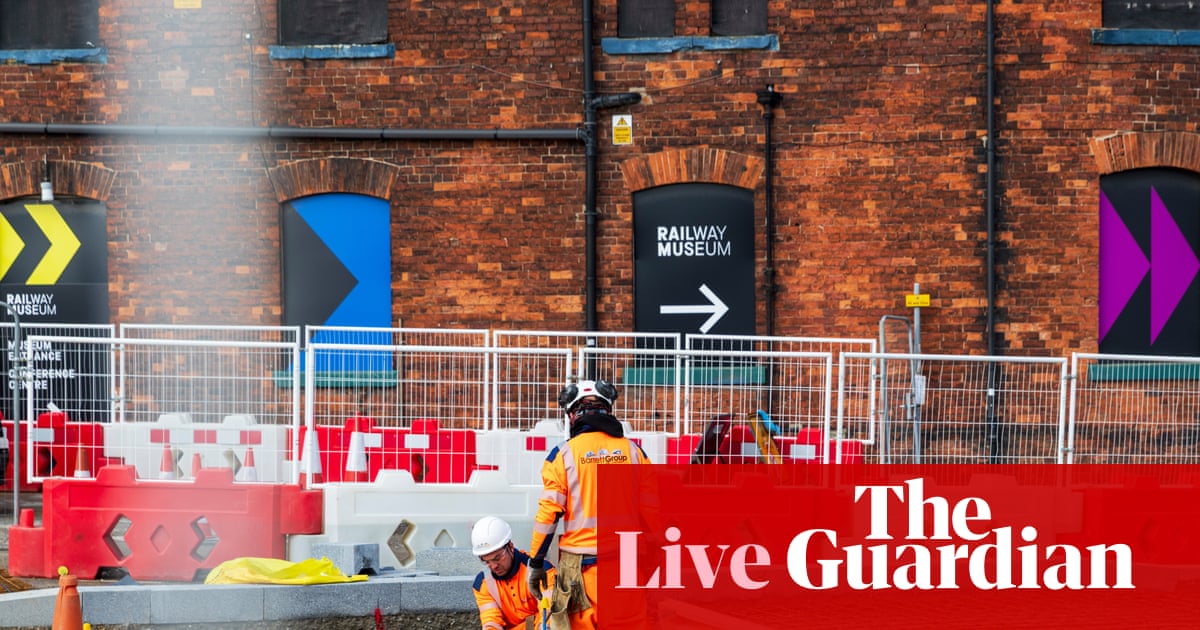
The UK construction sector showed signs of stabilization in July, with the S&P Global's monthly survey index rising to 44.7 from 34.4 in June, though still indicating contraction. New business intakes fell at the slowest pace in 10 months, and optimism among firms reached its highest level since February. This improvement was observed across commercial work, residential projects, and transport infrastructure, suggesting a potential turnaround in tender opportunities.
Despite these positive shifts, the sector continues to grapple with challenges. Heightened geopolitical uncertainty and sluggish domestic economic conditions are still dampening customer demand. While the rate of job losses slowed, and input cost inflation eased to a five-month low, construction companies noted ongoing fuel surcharges and higher raw material prices, largely attributed to the war in the Middle East. This indicates that while domestic factors might be improving, external pressures remain a significant concern.
Eurozone's Persistent Construction Challenges
The eurozone's construction sector also experienced an easing of its downturn in July, with the headline PMI index rising from 42.8 to 44.3. This marked the slowest rate of decline in four months, partly due to a further softening in cost pressures, as the rapid inflation from energy prices following the Iran war continued to ease. However, this positive development was overshadowed by a steeper deterioration in new order intakes, suggesting that underlying demand remains weak.
Regional variations within the eurozone were notable. While France saw its softest decline in five months and Italian firms registered only a marginal contraction, Germany, contrary to the easing trend, recorded the steepest fall in output in three months. This broad-based contraction across the three largest eurozone economies, coupled with intensified negative sentiment among construction companies regarding the year-ahead outlook, underscores the fragility of the recovery and the uneven economic landscape across the bloc.
Geopolitical Headwinds and Broader Economic Signals
The broader economic narrative is heavily influenced by geopolitical events, particularly the conflicts in the Middle East and Iran. These events have directly impacted fuel costs and raw material prices, creating significant headwinds for various industries. Wizz Air, for instance, swung to a quarterly operating loss of €183m, attributing this directly to spiraling fuel costs caused by the Iran war, and warned of continued industry challenges for the rest of the year.
In contrast to the struggles in construction and aviation, the article's introduction highlights a more positive signal from Germany's manufacturing base, with factory orders rising faster than expected. This divergence points to a multi-speed European economy, where some sectors and nations show resilience or recovery, while others remain vulnerable to external shocks and persistent demand weaknesses. The interplay of these factors will be critical in shaping the economic trajectory for the remainder of the year.
Key points
- UK construction sector showed signs of stabilization in July, with the S&P Global index rising to 44.7, though still in contraction.
- New business received by UK construction companies fell at the slowest pace in 10 months, and optimism reached its highest since February.
- Eurozone construction downturn eased to its slowest rate in four months, but new order intakes deteriorated more steeply.
- Germany registered the steepest fall in construction output in three months, bucking the easing trend seen in France and Italy.
- Wizz Air swung to a quarterly operating loss of €183m due to soaring fuel costs attributed to the Iran war.
The stabilization in UK and Eurozone construction, coupled with rising optimism among firms and stronger-than-expected German factory orders, suggests a potential bottoming out of economic downturns. Easing input cost inflation could further support recovery, leading to improved business activity and investment in the coming months.
Despite some easing in downturns, new order intakes continue to worsen in the Eurozone, and geopolitical uncertainty persists, potentially dampening customer demand and business confidence. High fuel costs, exacerbated by ongoing conflicts, pose a significant threat to industries like aviation, risking further corporate losses and slower overall economic growth.
Market signals
- WIZZ The airline reported a quarterly loss due to soaring fuel costs, causing its shares to fall 4.8% on the FTSE 250.
AI-generated analysis of potential market relevance. Not financial advice.