Starbucks Korea raided by police after ‘Tank Day’ campaign sparks public outrage
Starbucks Korea's headquarters were raided by police investigating a marketing campaign that trivialized the 1980 Gwangju uprising, sparking widespread public outrage.
Intelligence analysis by Gemini 2.5 Flash
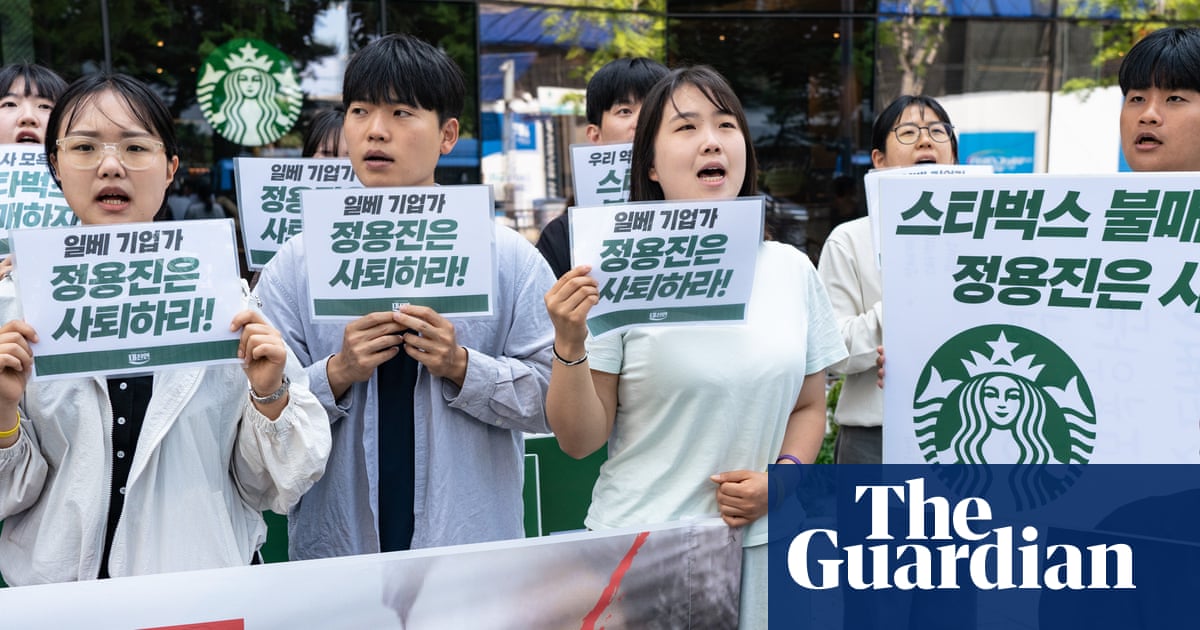
The coffee chain launched a "SS Tank" tumbler promotion and declared May 18th "Tank Day," coinciding with the anniversary of the Gwangju massacre. This, coupled with a slogan referencing a police torture cover-up, led to immediate backlash, the CEO's dismissal, and a nationwide closure for history training.
Imagine a coffee shop accidentally made a special cup that reminded people of a very sad and important day in their country's history, almost like making fun of it. People got really, really angry, and even the police came to investigate the company because it was such a big mistake. The company had to say sorry, fire its boss, and teach all its workers about history so it wouldn't happen again.
Analysis
The "Tank Day" Blunder and Immediate Fallout
Starbucks Korea found itself embroiled in a major controversy following a deeply insensitive marketing campaign. The company launched a line of stainless-steel tumblers dubbed "SS Tank" and designated May 18th as "Tank Day." This date, however, is the solemn anniversary of the 1980 Gwangju uprising, a pivotal moment in South Korea's pro-democracy movement where government forces brutally suppressed demonstrators, resulting in significant loss of life. The campaign's slogan, "Thwack it on the table!", further exacerbated public anger, as it was widely interpreted as a callous reference to a notorious 1987 police cover-up regarding the torture death of student activist Park Jong-chul.
The public outcry was swift and severe, forcing Shinsegae Group, the majority owner of Starbucks Korea, to take immediate action. Within hours of the campaign's launch, the promotion was cancelled, and the company's chief executive was dismissed. Shinsegae chair Chung Yong-jin issued a televised apology, acknowledging the gravity of the offense. Furthermore, Starbucks Korea closed all its stores nationwide on June 22nd for mandatory history and social awareness training, an unprecedented move reflecting the depth of the corporate crisis and the perceived need for internal re-education.
Police Intervention and Corporate Accountability
The controversy escalated beyond public relations and corporate governance with the intervention of South Korean police. Investigators raided Starbucks Korea's headquarters in southern Seoul, and media reports indicated that the homes of company executives were also searched. This police investigation was initiated following formal complaints from relatives of victims of the Gwangju crackdown, underscoring the profound historical and emotional significance of the event for the South Korean populace. The involvement of law enforcement signals that the incident is not merely a marketing faux pas but a matter with potential legal ramifications, particularly concerning the trivialization of a national tragedy.
This development highlights the increasing scrutiny faced by corporations regarding their social and historical awareness, especially in markets with sensitive pasts. The police action serves as a stark reminder that corporate negligence in cultural matters can lead to official investigations and potential legal consequences, moving beyond mere consumer boycotts. It places a significant burden on companies to ensure their marketing and operational strategies are not only commercially viable but also ethically sound and respectful of local history and sentiment.
Brand Reputation and Market Strategy in a Sensitive Market
The "Tank Day" campaign has inflicted substantial damage on Starbucks Korea's brand reputation, which could have long-lasting implications for its market position. In a highly competitive market like South Korea, consumer trust and brand loyalty are paramount. An incident of this magnitude, touching upon a deeply painful national memory, risks alienating a significant portion of the consumer base. Rebuilding this trust will require sustained effort, genuine demonstrations of remorse, and a clear commitment to cultural understanding.
For multinational corporations, this incident serves as a critical case study on the perils of cultural insensitivity. It underscores the necessity for robust internal review processes that involve local cultural experts and historians, rather than relying solely on marketing teams. The economic impact could manifest in reduced sales, prolonged boycotts, and a tarnished image that makes future expansion or even maintaining current market share challenging. The incident forces Starbucks Korea, and by extension its global parent, to re-evaluate its approach to local market engagement, emphasizing that profitability cannot come at the expense of respect for national history and collective memory.
Key points
- Starbucks Korea's headquarters were raided by police investigating a controversial "Tank Day" marketing campaign.
- The campaign, featuring "SS Tank" tumblers and a slogan, coincided with the anniversary of the 1980 Gwangju uprising, a sensitive historical event.
- Public outrage led to the immediate cancellation of the promotion, the dismissal of Starbucks Korea's CEO, and a televised apology from Shinsegae Group.
- All Starbucks Korea stores closed nationwide for mandatory history and social awareness training.
- The police investigation was launched following complaints from relatives of victims of the Gwangju crackdown.
Starbucks Korea's swift response, including the CEO's dismissal, a public apology, and mandatory history training, could be seen as a genuine commitment to rectify its mistake. If these actions are followed by sustained efforts to engage respectfully with South Korean culture and history, the company might gradually rebuild consumer trust and restore its brand image over time.
The profound offense caused by the "Tank Day" campaign could lead to prolonged consumer boycotts and a significant, lasting loss of market share for Starbucks Korea. The police investigation and the deep emotional wound touched by the incident may result in irreparable damage to the brand's reputation, making it difficult to recover its standing in the highly competitive South Korean market.