Cruise Lights: Why Baden-Württemberg's police do not want permanent blue lights
Hamburg is testing permanent blue lights on patrol cars, but Baden-Württemberg says it sees no need to follow for now.
Intelligence analysis by GPT-5.4 Mini
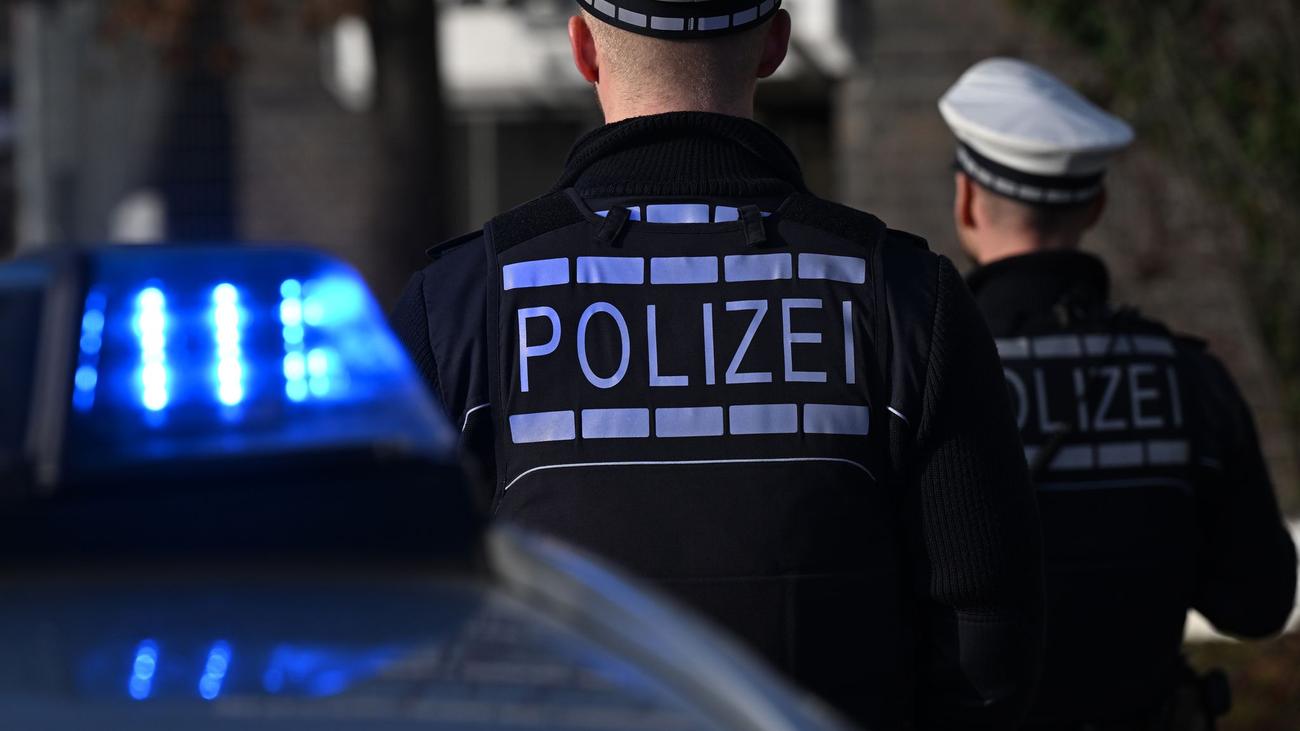
Hamburg is rolling out steady blue LED lights on police cars to make patrols more visible. Baden-Württemberg's interior ministry says its vehicles are already easy to spot and it is not planning to adopt the system yet.
Hamburg is adding a soft blue light to police cars so people can spot them more easily, even when there is no emergency. Baden-Württemberg says its police cars are already easy to see, so it does not want to copy the idea yet.
Analysis
What Hamburg is doing
Hamburg is the first police force in Germany to use what it calls a permanent presence light, or “Police Cruise Lights.” Unlike the usual flashing blue lights used in emergencies, this is a steady blue LED light in the light bar on patrol cars. It does not carry the legal meaning of an emergency response, so drivers do not have to pull over or change their behavior.
Baden-Württemberg's position
Baden-Württemberg's interior ministry says it currently sees no need to introduce the system. A ministry spokesperson said the introduction is not planned at this stage, while adding that the topic will continue to be watched closely. The ministry argues that patrol cars in the state are already hard to miss because of reflective markings on the sides and rear.
The state police has also developed yellow fluorescent foil intended to improve the visibility of patrol cars, especially on highways. That suggests the state believes it already has other ways to make police vehicles stand out.
The wider debate
The German Police Union in Baden-Württemberg welcomes Hamburg's move and wants a prompt, open-ended review of whether the lights should be introduced nationwide. Union leader Dirk Preis argues that more visibility means more safety and says people feel more secure when they notice the police early.
Hamburg says the goal is to improve the visibility and recognizability of patrol cars and to strengthen the public's sense of safety. According to the report, the city is following examples from countries such as France, Spain and the United States, where similar lights are already common on many police vehicles.
Key points
- Hamburg is the first police force in Germany to use permanent blue presence lights on patrol cars.
- Baden-Württemberg says it currently has no plan to adopt the system.
- The state argues its patrol cars are already highly visible thanks to reflective markings and fluorescent foil.
- The German Police Union wants a prompt, open-ended review of the idea nationwide.
- Supporters say the lights can improve visibility and the public's sense of safety.
If Hamburg's test makes patrol cars easier to spot, police leaders in other states could use the results to decide whether the system is worth adopting. Supporters say that better visibility can make people feel safer and more aware that police are present.
If the lights do not clearly improve safety or visibility, the rollout could become another equipment upgrade with little practical benefit. Other states may also resist the change if they believe their current markings already do the job.