CSD Dresden defies rain and dispute over assembly status
Thousands celebrated Dresden's Christopher Street Day after a legal fight over whether the event counted as a public assembly. Police said it remained peaceful despite a planned right-wing counterdemo.
Intelligence analysis by GPT-5.4 Mini
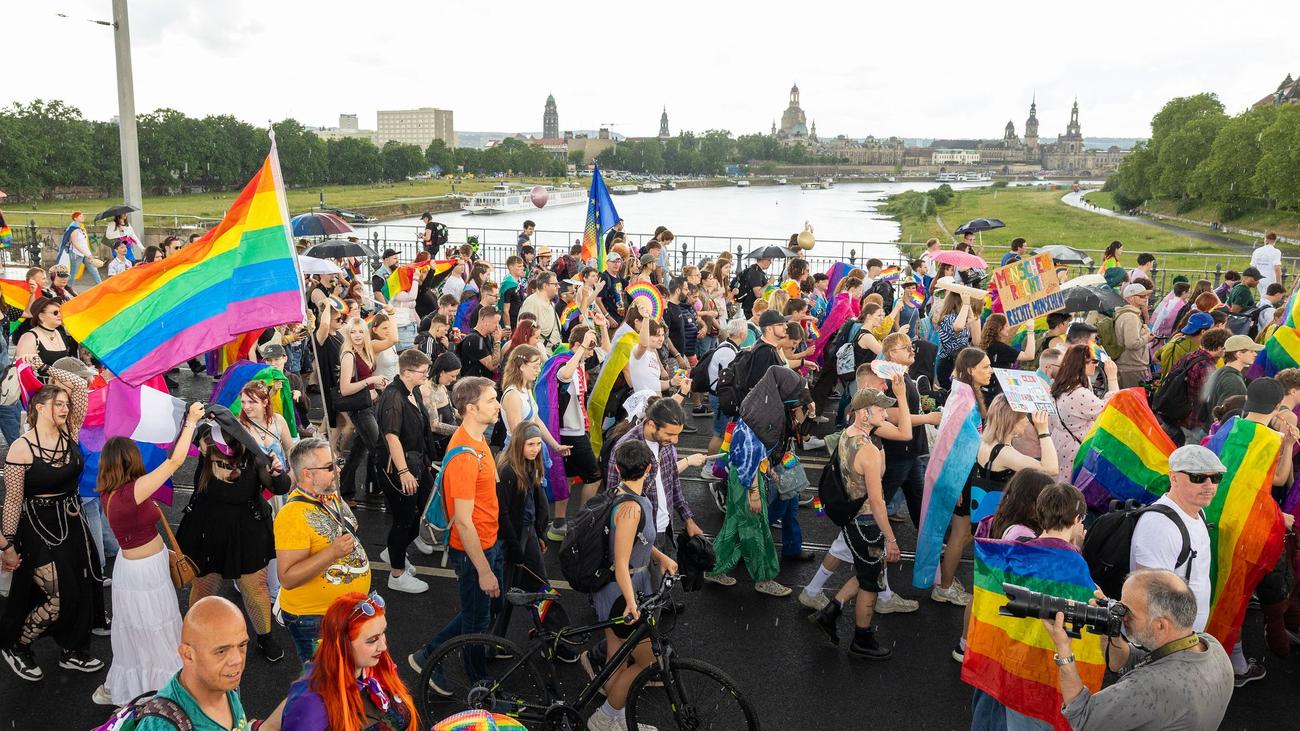
Dresden's CSD went ahead with thousands of participants after a court dispute over its legal status. The event mixed celebration and protest, with organizers stressing visibility, equality, and democratic participation.
Dresden had a big Pride event, even though rain and a court fight tried to make things harder. It was like a party and a protest at the same time, and the court said the whole event should be protected like a public protest march.
Analysis
What happened
Thousands of people joined Christopher Street Day in Dresden despite rain and an earlier legal dispute over the event's status. Police said everything stayed peaceful, and organizers and police both spoke of attendance in the thousands.
The legal dispute
Before the event, there was a weeks-long argument over whether the CSD should count as a public assembly. Dresden's regional authority had decided that only the parade qualified as an assembly, while the multi-day street festival did not. Under that view, the event would have been treated as a commercial activity, which could have made the organizer responsible for costs such as security and cleaning.
After a complaint from the organizers, the Saxon Higher Administrative Court ruled that the entire festival counts as an assembly. The court said freedom of assembly deserves strong protection and pointed out that the event had also been run as an assembly in previous years.
Why the organizers cared
Ronald Zenker, the board spokesperson for CSD Dresden, said the event was never just entertainment. He framed Pride as protest, visibility, and a push for equal rights and social participation. The article also notes that queer people are again facing increased hostility, which is part of why the organizers described CSD as a place for democracy, solidarity, and an open society.
Wider context
The event also drew a right-wing counterdemonstration, though it was registered away from the CSD route. Police said they did not expect a direct confrontation. The overall picture is of a large public event that served both as a celebration and as a statement about rights, recognition, and legal protection.
Key points
- Thousands attended Dresden's CSD despite light rain and an earlier legal dispute.
- Police said the event was peaceful, and a planned right-wing counterdemo stayed separate.
- Authorities had tried to classify only the parade, not the full street festival, as an assembly.
- The Saxon Higher Administrative Court ruled that the entire event counts as an assembly.
- Organizers said CSD is about protest, visibility, equal rights, and democratic participation.
The court ruling could make it easier for future CSD organizers to hold similar events under stronger legal protection. That may help keep Pride visible as both a celebration and a protest, while reducing financial pressure on organizers.
The dispute shows that queer events can still face legal and political pushback before they even start. If authorities keep trying to narrow the definition of an assembly, organizers could face higher costs and more uncertainty in future years.