Denmark's Mette Frederiksen to form government after months of negotiations
Mette Frederiksen will form a centre-left minority government after 69 days without a new Danish government. The deal gives her a third term and comes as Denmark faces pressure over Greenland and domestic woes.
Intelligence analysis by GPT-5.4 Mini
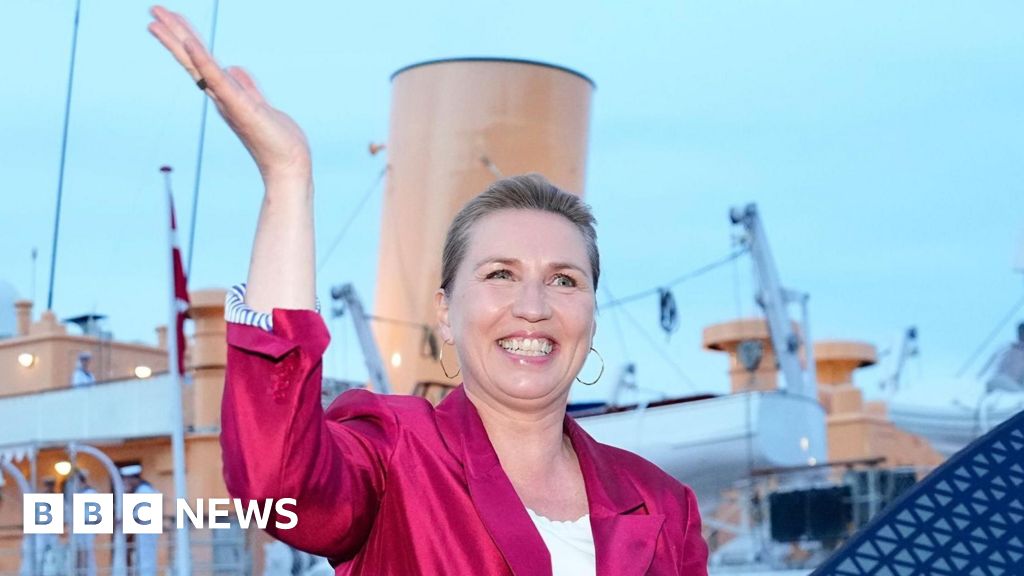
After an inconclusive March election, Denmark's acting prime minister Mette Frederiksen reached a coalition deal with three other parties. The minority government will have to navigate a weak mandate, Trump's Greenland comments, and domestic concerns over the economy, welfare, and agriculture.
Denmark had an election, but no one could easily make a working team to run the country. Now Mette Frederiksen has gathered enough partners to form a small team, even though it does not have a majority.
Think of it like classmates trying to pick a group leader, but the class is split, so the leader has to ask several groups to work together. That can work, but it takes a lot of talking and compromise.
Her job now is not just politics at home. She also has to deal with arguments about Greenland, plus worries about prices, the economy, and how the country treats land, farms, and animals.
Analysis
Coalition formed after a long deadlock
Months after Denmark's general election, acting prime minister Mette Frederiksen says she has reached a deal to form a centre-left minority government. The coalition will bring together the Social Democrats, the Socialist People's Party, Radikale Venstre and the centrist Moderates, according to the palace statement.
The March vote was inconclusive: twelve parties won seats, and the Social Democrats finished first but with their weakest showing since 1903. Frederiksen's party won 21.9% of the vote and 38 seats, far short of the 90 needed for a majority. Denmark's public broadcaster DR said the country had gone 69 days without a new government.
What the new government faces
Frederiksen told reporters the agreement came after long and fraught negotiations and said she would present the cabinet on Wednesday, 3 June 2026. Her return for a third term comes while US President Donald Trump has said he wants to take over Greenland, the semi-autonomous Danish territory.
The article says Frederiksen will also have to deal with domestic worries: the cost of living, the state of the economy, and welfare concerns. Other issues that mattered to voters included animal rights, pesticides in drinking water linked to pig farming, and agriculture's climate footprint. In a late-night Instagram post, Frederiksen said the political basis would be explained the next day and framed the deal as one meant for people in Denmark, future generations, and animals.
Key points
- Mette Frederiksen will form a centre-left minority government after months of negotiations.
- The coalition includes the Social Democrats, Socialist People's Party, Radikale Venstre, and the centrist Moderates.
- The March election was inconclusive, and the Social Democrats won 21.9% of the vote and 38 seats.
- Denmark had gone 69 days without a new government, according to public broadcaster DR.
- The new government faces pressure over Greenland, the economy, welfare, and agriculture-related concerns.
If the coalition holds together, Denmark gets a government again after a long delay and can move on to policy work. The broad mix of parties may also help Frederiksen build support for decisions on the economy, welfare, and other issues that voters care about.
The government starts with a weak mandate and is built after fraught negotiations, so it may struggle to stay unified. Frederiksen also has to manage pressure over Greenland and domestic problems at the same time, which could expose tensions inside the coalition.