DGB backs mandatory occupational pensions, with employer support
The DGB wants a compulsory company pension for all workers, jointly financed by employers. It says about 20 million employees still lack occupational retirement coverage.
Intelligence analysis by GPT-5.4 Mini
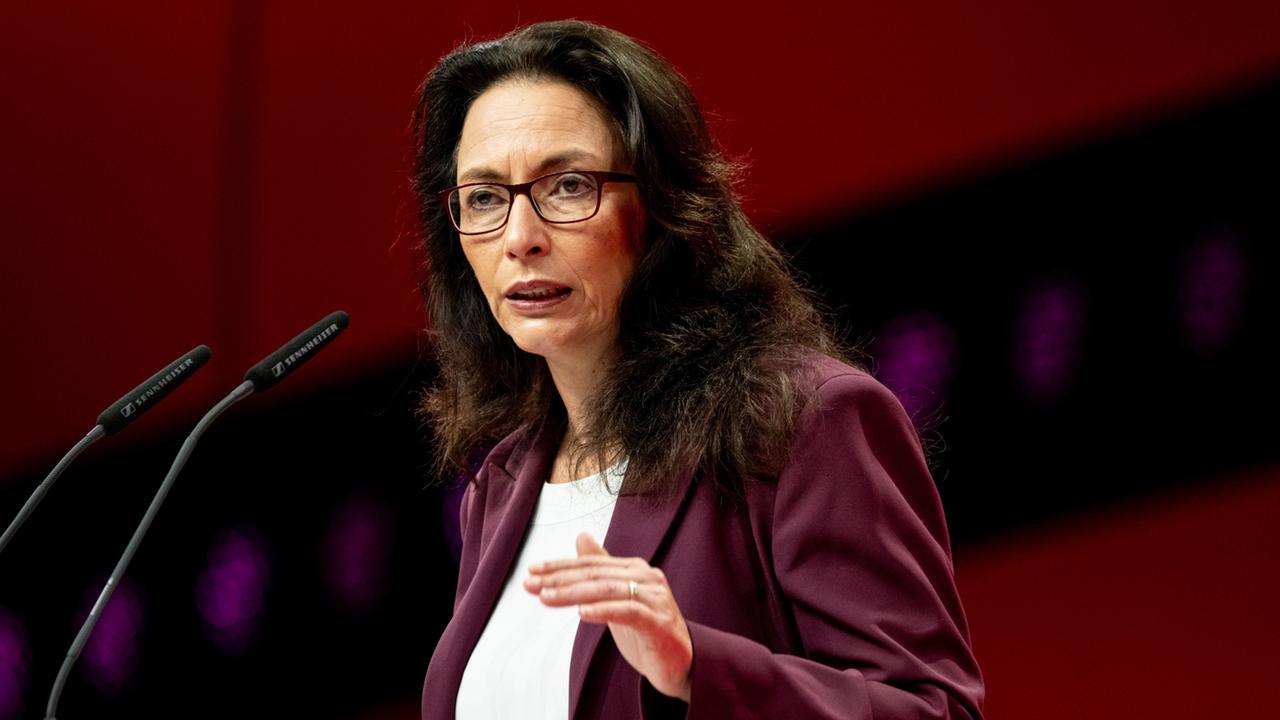
As part of the planned pension reform, the German Trade Union Confederation is pushing for a mandatory occupational pension that would sit on top of the statutory pension and be co-financed by employers. Union chief Yasmin Fahimi says the model should be organized through collective agreements where possible, with simpler access for workers at firms without tariff coverage.
The DGB wants Germany to add a second piggy bank for retirement, not just the state pension. It thinks bosses should put money in too, so workers do not have to carry the whole load alone.
Analysis
What the DGB wants
The German Trade Union Confederation is proposing a mandatory occupational pension as an additional layer of retirement security. According to DGB chair Yasmin Fahimi, the system should not be paid for by employees alone; employers must be involved at least as co-financiers.
Fahimi says around 20 million workers in Germany do not have occupational pension coverage, often because they work in companies without collective bargaining agreements. The unions, she said, are ready to organize this collectively for employees through collective agreements.
For companies outside the tariff system, Fahimi said it may be possible to bring workers into existing models under low-threshold conditions. She has not yet set out the full details, but promised concrete proposals by the end of the month.
Why the debate is likely to be contentious
Fahimi is already warning that the plan will trigger resistance, especially because Germany is dealing with a strained financial and economic situation. She expects criticism that the reform would mean higher contributions.
To argue that the idea is not unrealistic, Fahimi points to other European countries, where mandatory pension contribution rates are often 20 percent or more. She says the employer share is frequently higher than the employee share in those systems.
The proposal now sits in the wider pension reform debate: it aims to broaden retirement coverage, but it also raises the familiar question of who pays, how much, and how much pressure the new rules would put on companies and workers.
Key points
- The DGB wants a mandatory occupational pension for all employees as an extra layer on top of the state pension.
- DGB chair Yasmin Fahimi says employers must help finance it, not leave the cost mainly to workers.
- The union says about 20 million workers in Germany currently lack occupational pension coverage.
- Fahimi wants collective agreements to be the main way to organize the system, with easier entry for firms outside tariff coverage.
- She plans to present concrete details by the end of the month and expects criticism over higher contributions.
If the proposal gains traction, more workers could build retirement savings through their jobs, including people at firms that currently offer nothing. A system with employer co-financing could also spread retirement costs more evenly and make old-age income more secure.
Employers may resist the plan if they see it as another cost during a weak economic period. If the rules are too complex or contributions become politically unpopular, the reform could stall before it reaches many workers.