Donald Trump shares draft Iran peace agreement with Israel and other allies
Trump has circulated a draft Iran peace deal as ceasefire tensions flare, with talks hinging on uranium, sanctions, and access to the Strait of Hormuz.
Intelligence analysis by GPT-5.4 Mini
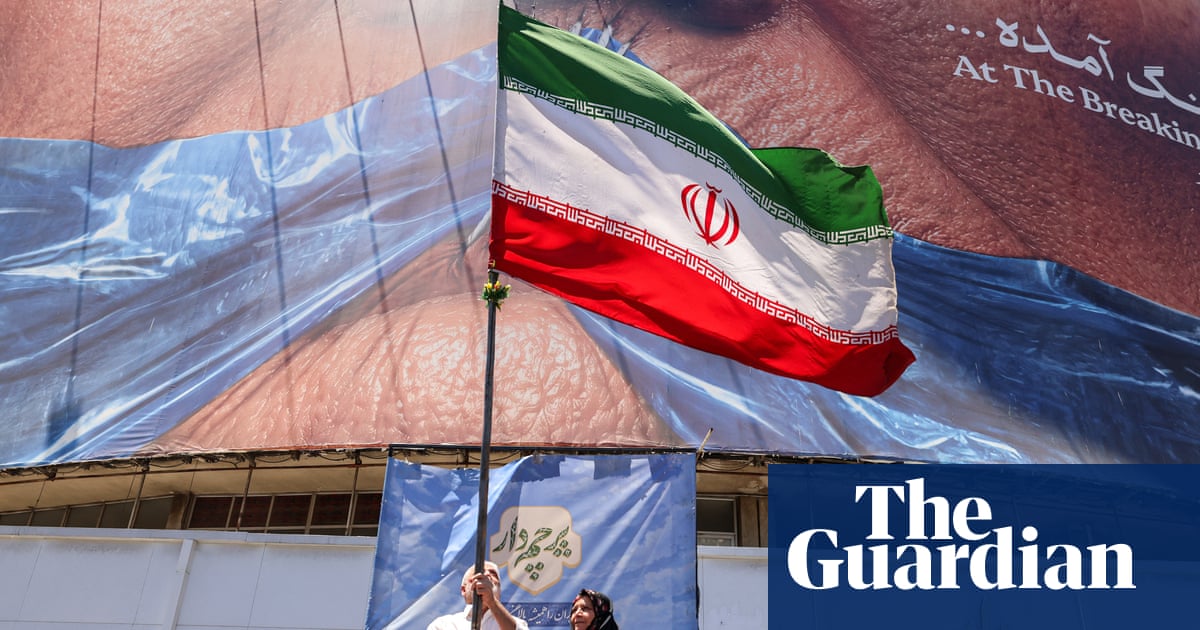
The White House is pushing a draft Iran agreement to allies, including Israel, while parallel talks try to stop the ceasefire from unraveling. The proposal offers shipping access, frozen assets, and a nuclear negotiating window, but leaves major disputes unresolved.
A big argument is going on between the US and Iran, and Trump is trying to put a deal on the table. It is a bit like two kids in a playground fight being offered rules that would let everyone share the swing again, but only if both sides stop pushing.
The deal would open an important sea lane for ships and release some money Iran cannot use right now. In return, Iran would have to talk about its nuclear program and accept some limits.
The problem is that both sides still disagree on the most important parts. That means the peace plan is not finished yet, and if it falls apart, the fighting and the trouble for oil ships could get worse.
Analysis
What the draft tries to do
Trump has shared a draft peace agreement for the war with Iran with allies including Israel, while negotiators try to prevent new ceasefire violations from derailing the talks. The proposal is aimed at speeding up diplomacy after fresh military pressure, including a US strike and an Iranian response targeting a US airbase in Kuwait.
The draft is described as broadly similar to versions circulating across the Middle East for days. It would reopen the Strait of Hormuz to commercial shipping, lift the US blockade on Iranian ports, and give Iran access to as much as $12bn in frozen assets. It also sets out a 30-day goal for shipping to return to pre-war levels and a 60-day negotiating period on Iran’s nuclear programme.
The hardest sticking points
The article says the main disputes remain Iran’s stockpile of highly enriched uranium and whether enrichment should continue at all. JD Vance said both sides were close, but that there were still “a couple of language points” being worked through before any memorandum of understanding could be signed.
The package would be difficult for Israel to accept because it delays firm nuclear commitments from Iran and ties a permanent ceasefire to Lebanon as well. China is also pushing for the UN Security Council to ratify any agreement, adding another layer of diplomacy.
Regional pressure keeps rising
The article describes a second track of talks over tolls and control in the Strait of Hormuz, including contacts involving Oman and mediation by Pakistan and Qatar. Iran’s Revolutionary Guard navy said it still controlled passage through the strait and claimed to have stopped ships trying to sail with their transponders off.
Oil prices rose on Thursday, underlining how closely markets are watching the crisis. Inside Iran, officials are urging restraint, even as authorities continue arrests and warn against internal division.
Key points
- Trump has circulated a draft Iran peace agreement to allies, including Israel, as ceasefire tensions continue.
- The draft would reopen the Strait of Hormuz to commercial shipping and unlock up to $12bn in frozen Iranian assets.
- The biggest unresolved issues are Iran's enriched uranium stockpile and limits on future enrichment.
- Israel is said to dislike the current scope because it delays firm nuclear commitments and links a ceasefire to Lebanon.
- Oil prices rose as markets tracked the fragile talks and the risk of wider conflict.