ECJ ruling: Cuts to asylum benefits violate EU law
The ECJ said Germany cannot fully cut basic asylum benefits for people whose case belongs to another EU state. Clothing and other minimum support must remain.
Intelligence analysis by GPT-5.4 Mini
A man from Afghanistan challenged a 2022 Schweinfurt district decision that cut cash benefits after Germany deemed Romania responsible under Dublin rules. The ECJ said EU law still requires an adequate standard of living and some minimum independence.
A court said Germany cannot trim asylum help down to just food and a bed. Even when another EU country should handle the case, the person still needs basics like clothes and a little money, like packing for a trip without taking away the shoes.
Analysis
What the court said
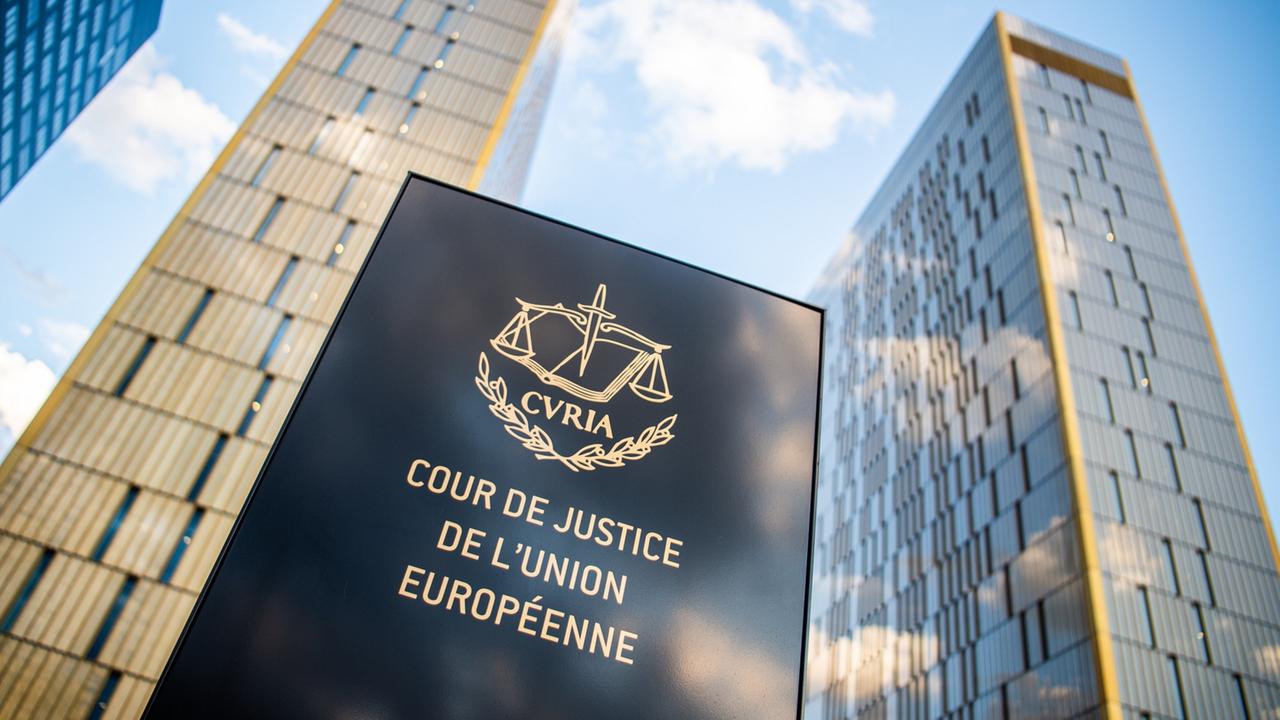
The European Court of Justice in Luxembourg ruled that Germany’s benefit cuts for rejected asylum seekers are incompatible with EU law when they leave people below an adequate minimum. Even if another EU country is responsible for the asylum case, basic items such as clothing and household products may not be removed, and some cash support for travel or communication is still needed.
The case involved an Afghan asylum seeker who had already applied in Romania before filing again in Germany. Because Romania was considered responsible under the Dublin III rules, Germany rejected his application as inadmissible and the Schweinfurt district later cut several benefits in 2022. He still received housing, food, and hygiene items, but no money for clothes, public transport, or his phone.
The ruling goes against a German rule that had already been tightened in 2024, when complete benefit withdrawal became possible after a person was found to be in the wrong EU state and ordered to leave. Social law expert Constantin Hruschka said that if cuts are not allowed, full withdrawal is even less compatible with the court’s reasoning.
The decision lands just before new EU asylum rules take effect on 12 June. Those rules allow some restrictions when asylum seekers are in a different EU country from the one responsible for their case, but Hruschka said they still require a minimum standard in line with EU law.
Key points
- The ECJ said Germany's cuts to asylum benefits violate EU law when they drop people below an adequate standard of living.
- Clothing, household items, and some cash for travel and communication must remain available.
- The case involved an Afghan man whose asylum case was considered Romania's responsibility under Dublin III rules.
- The ruling comes before new EU asylum rules take effect on 12 June, which still require a minimum standard.
If Germany rewrites the rule, the system could become clearer and less likely to lose in court. People in Dublin cases would still have a basic safety net while their cases are handled.
If officials keep trying to strip benefits completely, the rule is likely to face more legal defeat. That could leave districts uncertain about what they may cut, even as the new EU asylum regime begins.