Electrolyte lemonade to probiotic pop: do the new generation of ‘functional drinks’ live up to the hype?
Functional drinks are marketed as having various physiological and cognitive benefits, but can they really deliver? We investigate what they're really doing and put them to a taste test.
Intelligence analysis by Llama
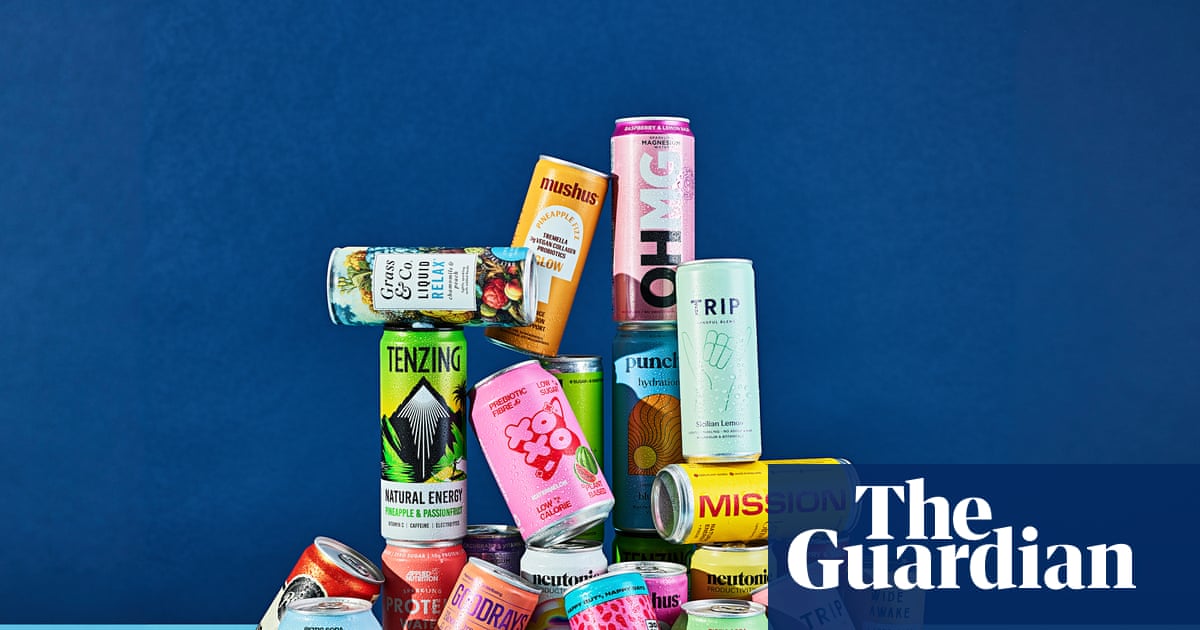
Functional drinks claim to improve mental clarity, energy, and even beauty, but can they live up to the hype? We taste-test a selection of these drinks and explore their ingredients and health claims.
Functional drinks are special kinds of soft drinks that claim to have extra benefits, like improving your energy or making you feel calm. But can they really do all that? We taste-tested some of these drinks to find out.
Analysis
A $60B Vote of Confidence
The functional drinks market is a rapidly growing industry, with a global value of £115bn and predicted to reach £230bn by 2030. This growth is driven by consumers seeking healthier alternatives to traditional soft drinks. Functional drinks are marketed as having various physiological and cognitive benefits, such as improved mental clarity, energy, and even beauty. However, can these drinks really deliver on their promises?
Why Cursor?
To investigate this, we taste-tested a selection of functional drinks, including electrolyte lemonades, probiotic fizzy pops, and energy drinks. We also spoke to consultant dietitian Sophie Medlin, who works at City Dietitians. According to Medlin, functional drinks can serve a useful purpose, but they should not be relied upon as a primary source of nutrition. "They do offer more than other regular soft drinks do," she says. "But would I encourage people to start drinking them? No. When I'm working with patients, sometimes functional drinks can help get them off less healthy things they already drink, like colas."
The Road Ahead
The functional drinks market is expected to continue growing, with new products and ingredients emerging all the time. However, it's essential for consumers to be aware of the potential risks and limitations of these drinks. As Medlin notes, "Health claims on foods, drinks, and supplements are tightly controlled in the UK, and some brands have already got into trouble with the Advertising Standards Authority." By understanding what functional drinks can really do, consumers can make informed choices and avoid falling prey to exaggerated marketing claims.
Key points
- The functional drinks market is worth £115bn globally and predicted to reach £230bn by 2030.
- Functional drinks are marketed as having various physiological and cognitive benefits, but can they really deliver?
- The market is driven by consumers seeking healthier alternatives to traditional soft drinks.
- Health claims on foods, drinks, and supplements are tightly controlled in the UK, and some brands have already got into trouble with the Advertising Standards Authority.
If the functional drinks market continues to grow, it could lead to the development of more innovative and effective products that genuinely improve people's lives. However, it's essential for consumers to be aware of the potential risks and limitations of these drinks.
The functional drinks market could also lead to a proliferation of exaggerated health claims and misleading marketing, which could harm consumers' trust in the industry.