Exam body defends denying unwell DSE candidate access to lift before assessment
Hong Kong's examination authority defended an invigilator who denied a DSE candidate with anxiety access to a lift, stating the facility was not requested in advance. The candidate, Ray Lau, alleged he was shouted at during a break between exams.
Intelligence analysis by Gemini 2.5 Flash
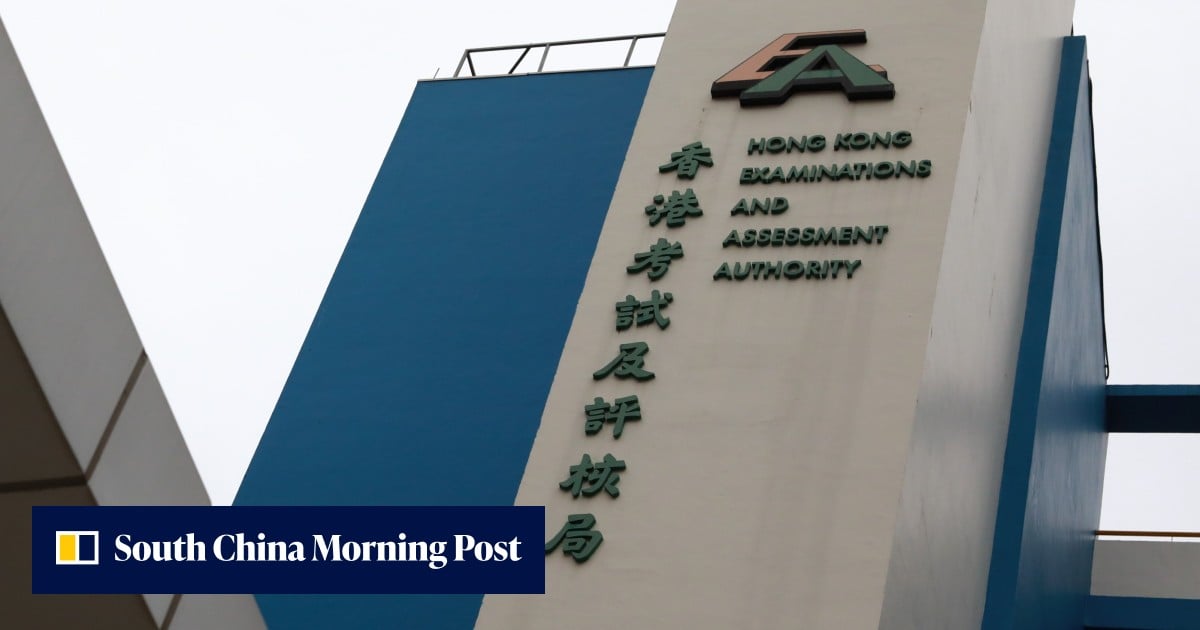
A private candidate for Hong Kong's Diploma of Secondary Education (DSE) exam, Ray Lau, who has a history of anxiety and obsessive-compulsive disorder, was reportedly denied lift access by an invigilator despite feeling unwell. The Hong Kong Examinations and Assessment Authority (HKEAA) defended the invigilator, citing a lack of prior request for the accommodation.
Imagine you're taking a big test, and you have a tummy ache that makes you feel really nervous. You told the teachers before the test that you sometimes get nervous and need a quiet place. But during a break, you feel really bad and need to use an elevator, and the person watching the test says no because you didn't ask for the elevator specifically beforehand, even though they knew you might need extra help. This story is about a student in Hong Kong who felt unwell during his big exam and was denied help, even though the exam people knew he had anxiety.
Analysis
Ray Lau's Experience
Ray Lau, a private candidate in his twenties, was retaking the Diploma of Secondary Education (DSE) exam to enhance his qualifications for a teaching career. Lau has a documented medical history, including an anxiety disorder that manifests cardiac symptoms, and obsessive-compulsive disorder. He was prescribed medication for his conditions and had recently been hospitalized at a psychiatric facility from late December 2025 to mid-January of the current year. The Hong Kong Examinations and Assessment Authority (HKEAA) was reportedly informed of his medical background, and he was assigned a special room for his assessment.
On April 13, during the break between the first and second mathematics papers at Caritas St Joseph Secondary School, Lau began feeling unwell. He sought to use a lift, but an invigilator allegedly denied him access and shouted at him. This incident underscores the significant stress and potential for misunderstanding that candidates with special needs can face during critical examinations, even when their conditions are known to the authorities.
HKEAA's Defense
The Hong Kong Examinations and Assessment Authority (HKEAA) has publicly defended the invigilator's actions, asserting that Ray Lau had not made an advance request for lift access. This defense points to a procedural gap, suggesting that while Lau's medical history was known, specific accommodations like lift access might require separate, explicit pre-approval. The authority's stance implies that the onus was on the candidate to foresee and request every potential need, even in an emergency situation arising from a pre-existing condition.
This incident raises questions about the adequacy of communication and flexibility within the HKEAA's protocols for supporting candidates with documented medical conditions. While procedures are necessary, the rigid application of rules without considering the immediate well-being of a vulnerable candidate, especially one whose medical history was already disclosed, can lead to distress and potentially impact their performance. The HKEAA's defense highlights a potential disconnect between acknowledging a candidate's condition and ensuring practical, on-the-spot support.
Caritas St Joseph Secondary School Incident
The incident occurred at Caritas St Joseph Secondary School, the venue for the DSE mathematics papers. While the school served as the location, the primary responsibility for examination procedures and invigilator conduct falls under the Hong Kong Examinations and Assessment Authority. The school environment, however, plays a crucial role in facilitating a supportive atmosphere for all candidates, particularly those with special needs. The alleged shouting by an invigilator further exacerbates the situation, creating an unwelcoming and stressful environment for a candidate already struggling with anxiety.
This event at Caritas St Joseph Secondary School brings to light the broader implications for examination centers and their staff. It emphasizes the need for comprehensive training for all invigilators, not just on procedural rules, but also on empathy, de-escalation techniques, and understanding the diverse needs of candidates, especially those with invisible disabilities like anxiety disorders. The incident serves as a case study for reviewing how examination venues and personnel can better support candidates with special accommodations.
Key points
- A DSE candidate with anxiety and OCD was denied lift access by an invigilator during an exam break.
- The Hong Kong Examinations and Assessment Authority (HKEAA) defended the invigilator, stating the candidate had not requested the facility in advance.
- The candidate, Ray Lau, had previously informed the HKEAA of his medical history and was assigned a special examination room.
- Lau alleged the invigilator shouted at him during the incident at Caritas St Joseph Secondary School.
- The event raises concerns about the adequacy of support protocols for candidates with special educational needs in Hong Kong.
The incident could deter other candidates with special needs from seeking necessary accommodations, fearing similar unsupportive responses or procedural hurdles. It also highlights a potential systemic rigidity within the examination authority that could lead to increased stress and poorer performance for vulnerable students.