Indoor ‘feels-like’ heat soars to 52 degrees in Hong Kong subdivided homes: study
A new study reveals that indoor 'feels-like' temperatures in Hong Kong's subdivided flats reached a scorching 52.21 degrees Celsius this summer, severely impacting residents' health and well-being.
Intelligence analysis by Gemini 2.5 Flash
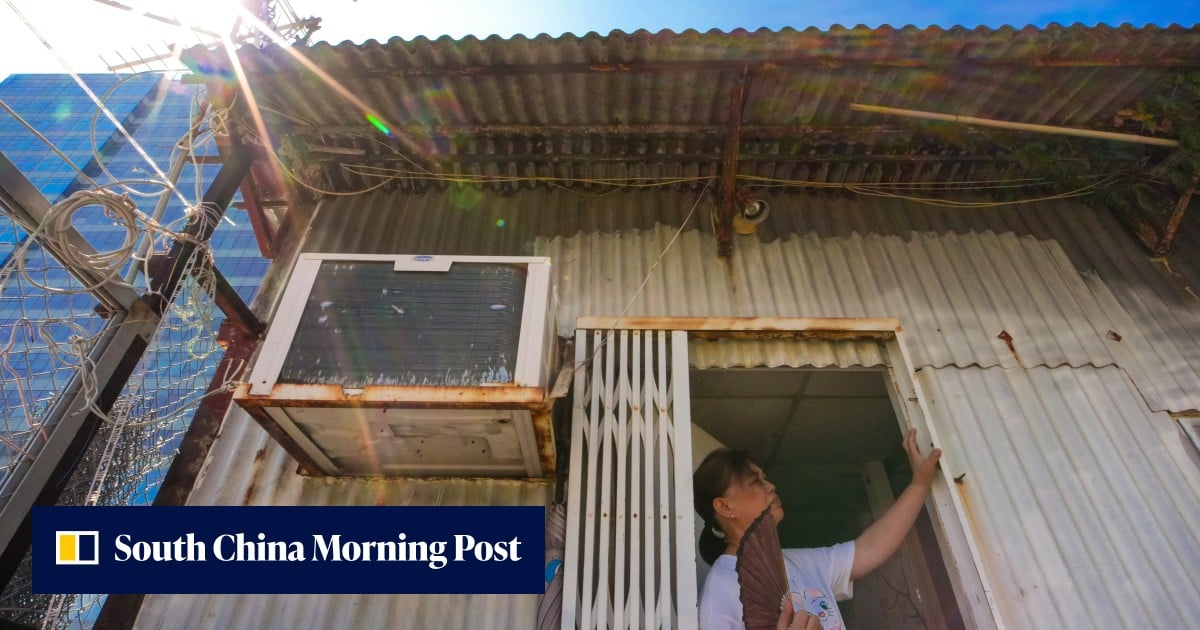
A survey conducted by CarbonCare InnoLab and the Concerning Subdivided Units Alliance found extreme indoor heat in Hong Kong's inadequate housing, with 80% of homemakers reporting heat-related symptoms like dizziness and headaches. The study highlights the severe living conditions faced by residents in subdivided flats and rooftop huts.
Imagine living in a tiny room that feels like a super hot oven, even at night, because it's so crowded and doesn't have good air. A study in Hong Kong found that some people's homes felt as hot as 52 degrees Celsius, making them dizzy and tired, like when you play outside too long on a really sunny day. It's a big problem because everyone needs a cool, safe place to live.
Analysis
52.21 Degrees Celsius
The alarming figure of 52.21 degrees Celsius represents the highest 'apparent temperature' recorded inside a subdivided flat during a recent study in Hong Kong. This metric, which accounts for humidity, reflects the actual heat experienced by residents, far exceeding comfortable or safe levels. Such extreme indoor conditions are not merely uncomfortable; they pose serious health threats, particularly to those with pre-existing conditions or limited means to mitigate the heat.
The average daytime apparent temperature across the surveyed homes was 35.58 degrees Celsius, with night-time temperatures also consistently above the Hong Kong Observatory's 'hot night' threshold of 28 degrees. These sustained high temperatures, day and night, prevent residents from finding relief, turning their homes into oppressive environments. The lack of respite exacerbates the physical and psychological toll of the heat, making daily life a constant struggle against the elements within their own living spaces.
Homemakers
Homemakers emerged as the most significantly affected demographic in the study, comprising 48 percent of the surveyed households. A staggering 83 percent of these individuals reported frequently or always feeling fatigued, indicating a pervasive impact on their energy levels and ability to perform daily tasks. This group, often responsible for household chores and childcare, bears a disproportionate burden from the extreme heat.
Furthermore, approximately 80 percent of homemakers experienced at least one heat-related physical symptom, including intense thirst, dizziness, and headaches. These symptoms are direct indicators of heat stress and potential heat exhaustion, highlighting a public health crisis unfolding within these homes. The study also noted that 69 percent of homemakers felt the heat negatively affected their mood, pointing to the psychological strain and reduced quality of life caused by their living conditions.
CarbonCare InnoLab
CarbonCare InnoLab, in collaboration with the Concerning Subdivided Units Alliance, spearheaded this crucial research, surveying 86 households across nine districts. Their methodology focused on 'apparent temperatures' to capture the lived experience of heat, providing a more accurate picture than simple air temperature readings. The study's findings provide concrete data to advocate for better housing policies and immediate interventions to protect vulnerable residents.
The organizations' work underscores the urgent need for policy changes to address Hong Kong's housing crisis, particularly for those living in inadequate accommodations. By quantifying the severe impact of heat on these communities, CarbonCare InnoLab and its partners aim to galvanize government action and public awareness. Their research serves as a vital tool for informing discussions around climate resilience, social equity, and the fundamental right to safe and healthy living conditions in one of the world's most densely populated cities.
Key points
- Indoor 'feels-like' temperatures in Hong Kong's subdivided flats reached a peak of 52.21 degrees Celsius this summer.
- The study, conducted by CarbonCare InnoLab and the Concerning Subdivided Units Alliance, surveyed 86 households across nine districts.
- Average daytime apparent temperatures were 35.58 degrees Celsius, with night-time temperatures exceeding the 'hot night' threshold of 28 degrees.
- 80% of homemakers, who made up 48% of respondents, reported heat-related physical symptoms like dizziness and headaches.
- 70% of all respondents reported affected sleep quality, and 74% experienced heat-related discomfort.
The current findings suggest that without significant intervention, residents in Hong Kong's subdivided homes will continue to suffer severe health consequences from extreme heat, a problem likely to worsen with climate change. This could lead to increased public health crises, exacerbate social inequalities, and place further strain on healthcare systems.