Fifa accused of ‘selling the soul of football’ over $20bn World Cup commercial rights sale plan
Fifa has announced plans to sell the commercial rights to its tournaments, including the World Cup, to private investors. The move has triggered a backlash from Uefa, leading European clubs and politicians.
Intelligence analysis by Llama
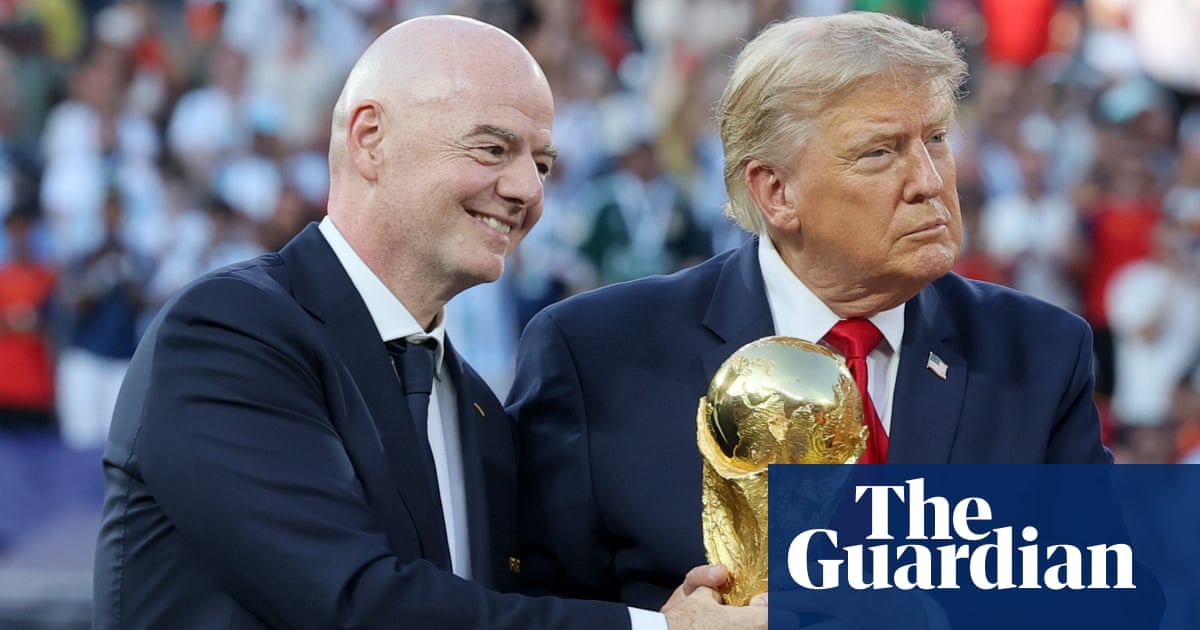
Fifa's plan to sell the commercial rights to its tournaments, including the World Cup, has been met with criticism from Uefa, European clubs, and politicians. The move could lead to private investors having significant influence over decisions affecting the sport.
Imagine football as a big game that everyone loves to play and watch. Now, imagine someone trying to sell the game to a private investor, who could then decide how the game is played and who gets to play. That's basically what Fifa is trying to do with its plan to sell the commercial rights to its tournaments, including the World Cup. This has raised concerns about the potential for private investors to have a say in the governance of the sport and the potential for the World Cup to be staged more regularly and in only the most lucrative markets.
Analysis
A $60B Vote of Confidence
Fifa's plan to sell the commercial rights to its tournaments, including the World Cup, has been met with widespread criticism from Uefa, European clubs, and politicians. The move has been described as an attempt to 'sell the soul of football' and has raised concerns about the potential for private investors to have a say in the governance of the sport.
The plan, which is valued at around $20bn, would see Fifa establish a new entity, Fifa Forward Enterprise (FFE), to manage the commercial rights to its tournaments. The entity would be responsible for raising hundreds of millions of dollars by selling a significant stake in the commercial rights to investors, with promises of an increase in distribution of 'over $10bn' then being redistributed back to Fifa's 211 member associations.
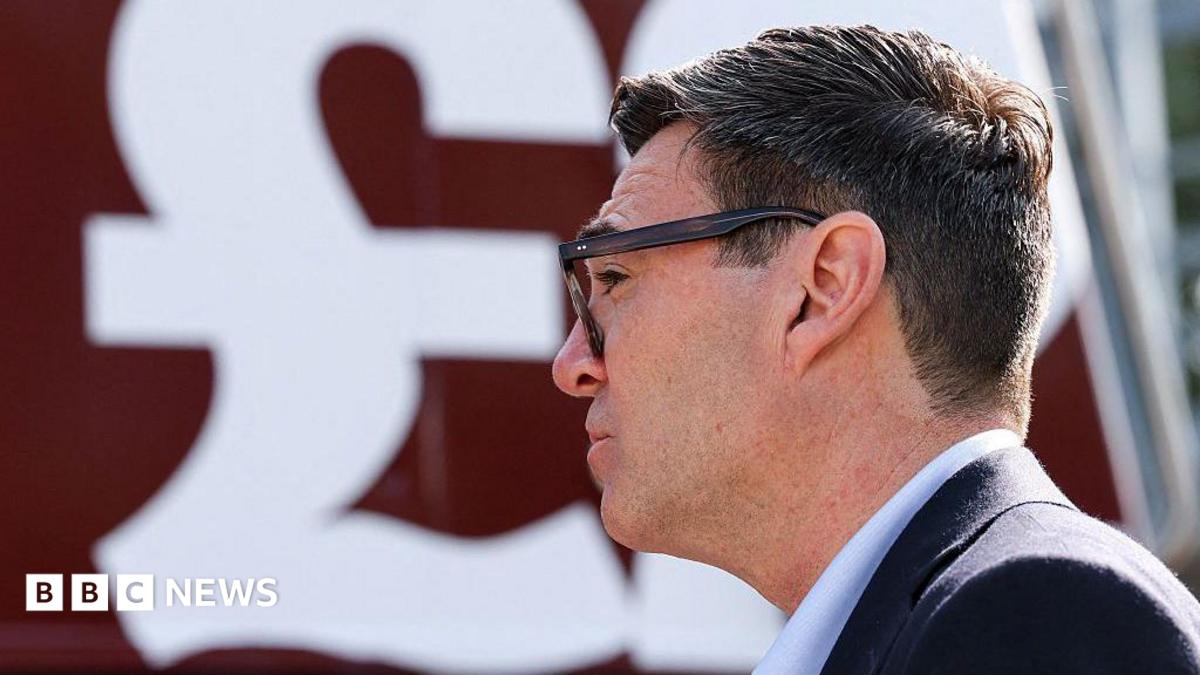
The move has been met with a strongly worded statement from Uefa, which accused Fifa of 'attempting to sell the soul of football' and is believed to be considering its legal position. Andy Burnham, the UK's new prime minister, has also condemned the move, stating that football does not belong to investors and that the World Cup is not a product to be sold.
Fifa's president, Gianni Infantino, has defended the plan, stating that it would enable the governing body to increase the funding provided to each of the associations from $8m to $20m each year. However, the move has raised concerns about the potential for private investors to have a say in the governance of the sport and the potential for the World Cup to be staged more regularly and in only the most lucrative markets.
Why Uefa is Taking a Stand
Uefa's decision to take a stand against Fifa's plan is not surprising, given the two governing bodies' long-standing rivalry. However, the move has also been met with criticism from European clubs and politicians, who are concerned about the potential implications for the sport.
The plan has been described as an attempt to 'sell the soul of football' and has raised concerns about the potential for private investors to have a say in the governance of the sport. The move has also been met with criticism from Andy Burnham, the UK's new prime minister, who stated that football does not belong to investors and that the World Cup is not a product to be sold.
The Road Ahead
The future of Fifa's plan is uncertain, with Uefa and the clubs united against the move. However, Infantino may have enough backing from elsewhere to be able to disregard them. The move has raised concerns about the potential for private investors to have a say in the governance of the sport and the potential for the World Cup to be staged more regularly and in only the most lucrative markets.
In conclusion, Fifa's plan to sell the commercial rights to its tournaments, including the World Cup, has been met with widespread criticism from Uefa, European clubs, and politicians. The move has raised concerns about the potential for private investors to have a say in the governance of the sport and the potential for the World Cup to be staged more regularly and in only the most lucrative markets.
Key points
- Fifa has announced plans to sell the commercial rights to its tournaments, including the World Cup, to private investors.
- The move has triggered a backlash from Uefa, leading European clubs and politicians.
- The plan could lead to private investors having significant influence over decisions affecting the sport.
- The World Cup is not a product to be sold, according to Andy Burnham, the UK's new prime minister.
If the plan is approved, it could lead to an increase in funding for football associations and a more sustainable business model for Fifa. However, this would depend on the terms of the deal and the level of influence that private investors would have over the sport.
The plan could lead to private investors having significant influence over decisions affecting the sport, potentially resulting in the World Cup being staged more regularly and in only the most lucrative markets. This could lead to a loss of control for football associations and a negative impact on the sport as a whole.