Fossil fuels, utilities and housing: what we know about Andy Burnham’s plans
Burnham is pitching a left-leaning economic reset, with public control of utilities, cheaper energy bills and a big council house-building drive.
Intelligence analysis by GPT-5.4 Mini

The article says Burnham has sketched out a broad governing agenda, but much of the detail is still unclear. The clearest themes are tougher state intervention in utilities, a possible loosening of North Sea drilling rules, and a housing push meant to tackle long-running shortages.
Burnham is saying the government should step in more to help with water, energy bills and housing, like a manager who starts fixing broken parts of a house instead of just blaming them. The hard part is paying for it without making other problems worse.
Analysis
Utilities as a Test of State Power
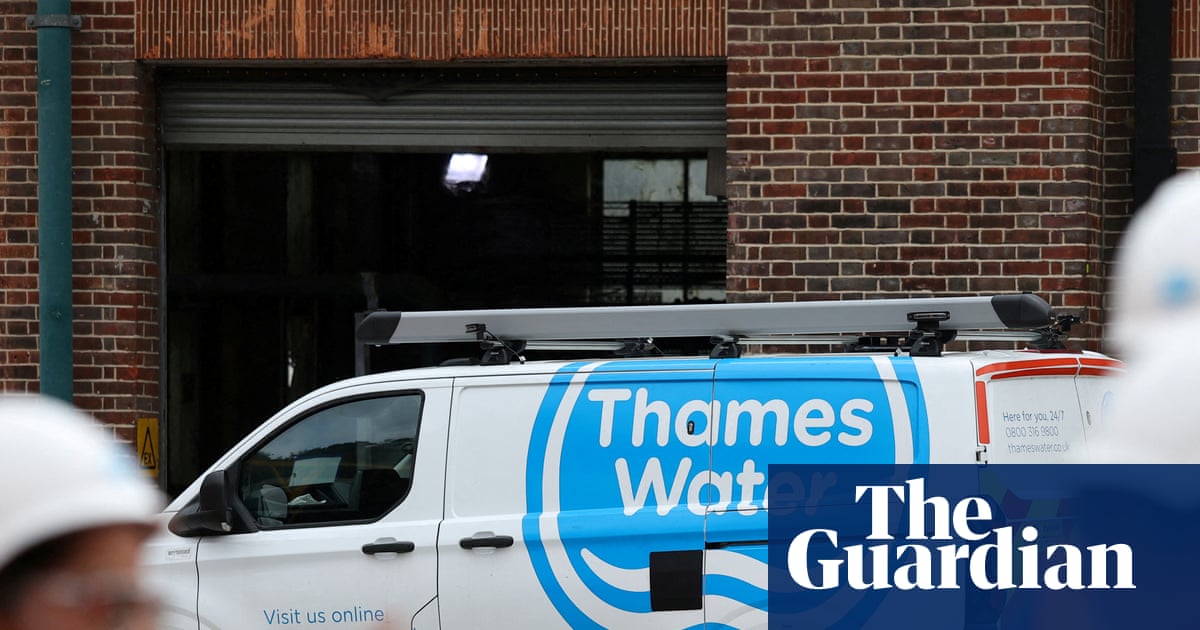
Burnham's clearest economic message is that the state should play a bigger role in basic services. The article says he wants more public control of key utilities such as water, with Thames Water the most obvious starting point because of its long-running distress.
That matters because utilities sit at the intersection of public anger, investment needs and regulatory failure. A move toward special administration or deeper public control would not just be a company story; it would signal a broader willingness to rewrite how essential services are financed and governed.
The energy-bill plans point in the same direction. The Guardian reports that Burnham is considering changes that could cut household bills by about £130 a year, partly by changing how gas is charged and removing some policy levies, though the article says the cost would fall to taxpayers.
Growth Promises Meet Fossil Fuel Reality
The North Sea section shows the tension inside Burnham's pitch. He wants to look pro-business and growth-friendly, but the article says his team has not confirmed whether new drilling would come through fresh licences or through tiebacks that technically stay within Labour's manifesto promise.
That ambiguity is politically useful but economically messy. It may let him avoid an immediate clash with party climate critics while still keeping oil and gas activity alive in the short term, but it also leaves open questions about long-term investment signals and the credibility of the UK's energy transition.
The article suggests this is not a clean ideological break from Labour's recent language, but a practical attempt to square competing goals. If new activity is allowed, Burnham could be accused of softening climate commitments; if it is blocked, he may face pressure from those who want domestic energy supply and jobs protected.
Housing, Care and the Cost-of-Living Reset
Housing is the other major economic pillar in the article. Burnham says he wants the biggest council house-building programme since the postwar period, which puts supply, public borrowing and local state capacity at the centre of his agenda.
That is a direct response to the scale of the shortage the article describes, including the loss of nearly 1.5 million council homes since the 1980s and swelling waiting lists. It is also a reminder that his economic pitch is not just about bills today, but about rebuilding public assets that can lower pressure on households over time.
Social care and digital ID round out the picture. Burnham is said to be ready to revisit care funding, including the possibility of a care levy, while dropping digital ID plans to redirect resources toward the cost of living. Taken together, the agenda points to a government willing to trade neat fiscal orthodoxy for visible household relief and bigger state responsibility.
Key points
- Burnham wants more public control of utilities, with Thames Water seen as a likely early target.
- The article says he is considering ways to cut household energy bills by about £130 a year.
- North Sea drilling policy is still unclear, with tiebacks mentioned as one possible route for new activity.
- He is backing tougher immigration measures and is expected to scrap digital ID plans.
- Housing and social care are central to his economic pitch, including a major council house-building push.
If these plans are carried through well, households could see lower bills, better service from utilities and more council homes built. The article suggests Burnham is trying to make the state feel more useful in everyday life, which could ease pressure on renters and bill payers. A clearer policy mix on energy and housing could also improve confidence that the government is tackling long-running bottlenecks rather than only managing them.
The downside is that the plans could become expensive, especially if bill cuts are funded by taxpayers and public control of utilities requires difficult interventions. The article also suggests the North Sea and digital ID choices could trigger political conflict before any economic gains show up. If the housing and social care promises do not translate into delivery, Burnham could end up with higher expectations and little evidence of improvement in living costs.