Freight Traffic: Crumbling Rail Infrastructure - Business Puts Pressure On
Companies and rail cargo rivals warn that Germany's worn-out rail network is disrupting supply chains and raising costs. Steelmakers say some production is already being cut.
Intelligence analysis by GPT-5.4 Mini
German industry is increasing pressure on the rail sector and the transport ministry over a clogged, aging network. Steel companies and private freight operators say badly coordinated construction sites are hurting deliveries, output, and the wider economy.
Germany’s railways are like a busy highway that lots of factories depend on. If parts are closed or badly planned, trucks of raw materials and finished goods get stuck, and some factories may have to make less stuff.
Analysis
Pressure from industry
German companies and rivals of Deutsche Bahn are sounding the alarm over the country’s deteriorating rail infrastructure. Salzgitter, a steel company in Lower Saxony, said the current restrictions create “serious challenges along the entire logistics chain,” affecting both incoming raw materials and outgoing finished products. The company said rail is the steel industry’s central mode of transport and that the situation has forced costly detours and extra measures that now cause “significant financial burdens” and measurable economic damage.
Freight operations under strain
The report says ArcelorMittal, Germany’s second-largest steel producer, has already seen initial production cuts because not enough iron ore could be delivered. According to the article, the reason is the continuing construction chaos in northern Germany’s rail network. The company also complained that Deutsche Bahn gives freight trains too little priority.
Construction work and coordination problems
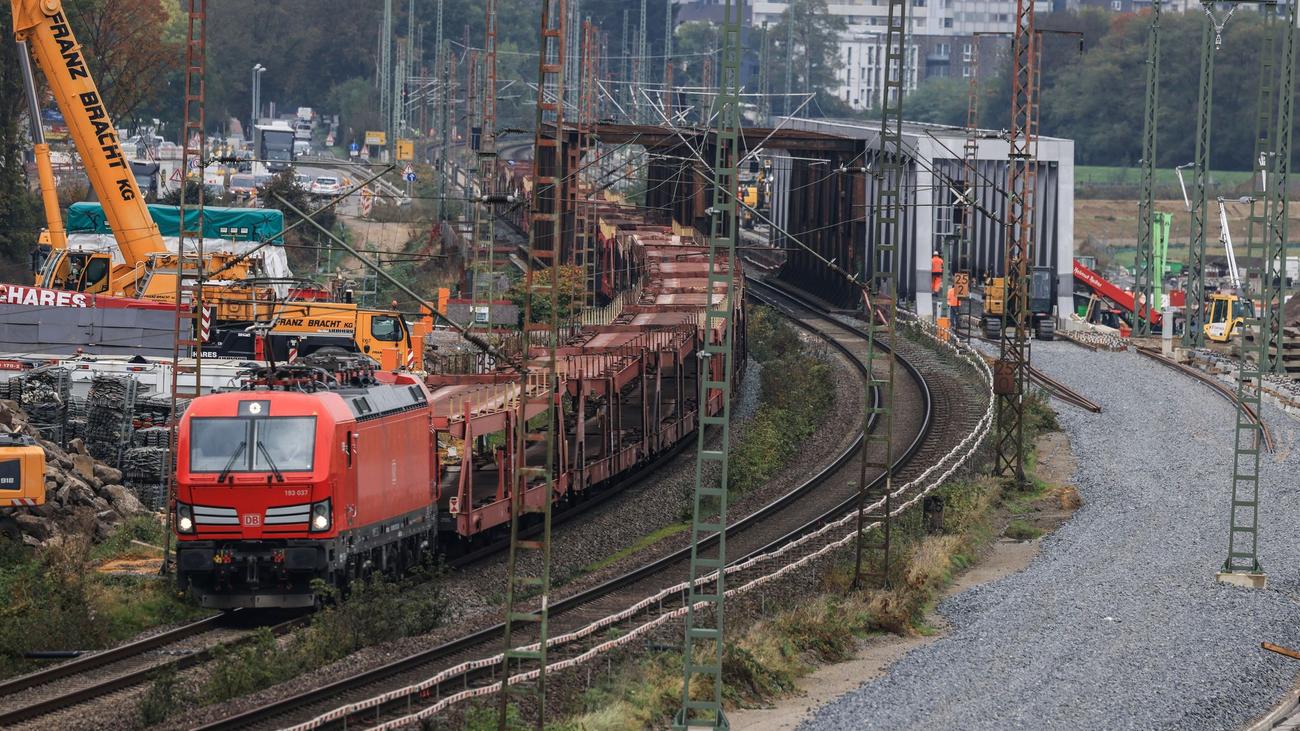
Deutsche Bahn is currently carrying out repairs across many parts of the network to stop further deterioration. But in northern Germany, major works have piled up on key routes. The Hamburg-Berlin connection remains closed until June 14 because of delays in the so-called general overhaul, and the Hamburg-Hanover line is under construction until mid-July. The freight operators’ association warned in late May that too many poorly planned and poorly coordinated construction sites threaten supply chains and even the survival of freight rail companies.
The association went so far as to question whether DB InfraGo can still ensure a “reasonably orderly operation.” Deutsche Bahn says it regrets the situation for some steel plants around Pentecost, is in talks with freight operators, industry, and trade, and has formed a task force for short-term measures. It also plans a simplified process for compensation claims worth millions.
Key points
- Companies say Germany's rail problems are causing serious disruption to freight logistics.
- Salzgitter says the rail situation is forcing detours, extra costs, and economic damage.
- ArcelorMittal reports early production cuts because iron ore deliveries were not arriving on time.
- A freight operators' association says too many badly planned construction sites threaten supply chains.
- Deutsche Bahn says it has formed a task force and will simplify compensation claims.
If the repair program is better coordinated, the rail network could become more reliable and reduce the delays that are now hurting freight traffic. Deutsche Bahn’s task force and promised compensation process could also ease some of the immediate damage while the work continues.
If construction keeps being poorly coordinated, more freight delays could hit supply chains, production, and costs across German industry. The freight operators’ warning suggests some companies may lose confidence in the current strategy if the situation does not improve quickly.