‘Front groups and fellow travelers’: state department attacks US left over Cuba
The State Department accused Cuba of subversion and named US left-wing activists and groups in a new anti-Cuba report. It widens the Trump administration's pressure campaign on Havana.
Intelligence analysis by GPT-5.4 Mini
Washington is using a sweeping Cuba report to attack not just Havana but parts of the US left, naming activists, socialists and a mayor as alleged fellow travelers. The move folds foreign policy into domestic culture war politics.
This story is about the US government saying Cuba is not just a foreign problem, but also a reason to point fingers at some people in America. It is like a school saying one team is bad and then accusing classmates who cheer for that team of causing trouble too.
Analysis
Cuba Becomes a Proxy for US Ideology
The report described by the State Department goes well beyond a standard foreign-policy critique. By calling Cuba the "capital of 21st-century communism" and alleging a campaign that has reached into the highest levels of the US government, it turns Cuba into a symbol for a wider ideological fight.
That framing matters because it does not treat criticism of US policy as ordinary political disagreement. Instead, it suggests that solidarity with Cuba, or even sympathy for its politics, can be read as evidence of subversion. The effect is to collapse the line between advocacy, activism and foreign influence.
The Report’s Real Audience
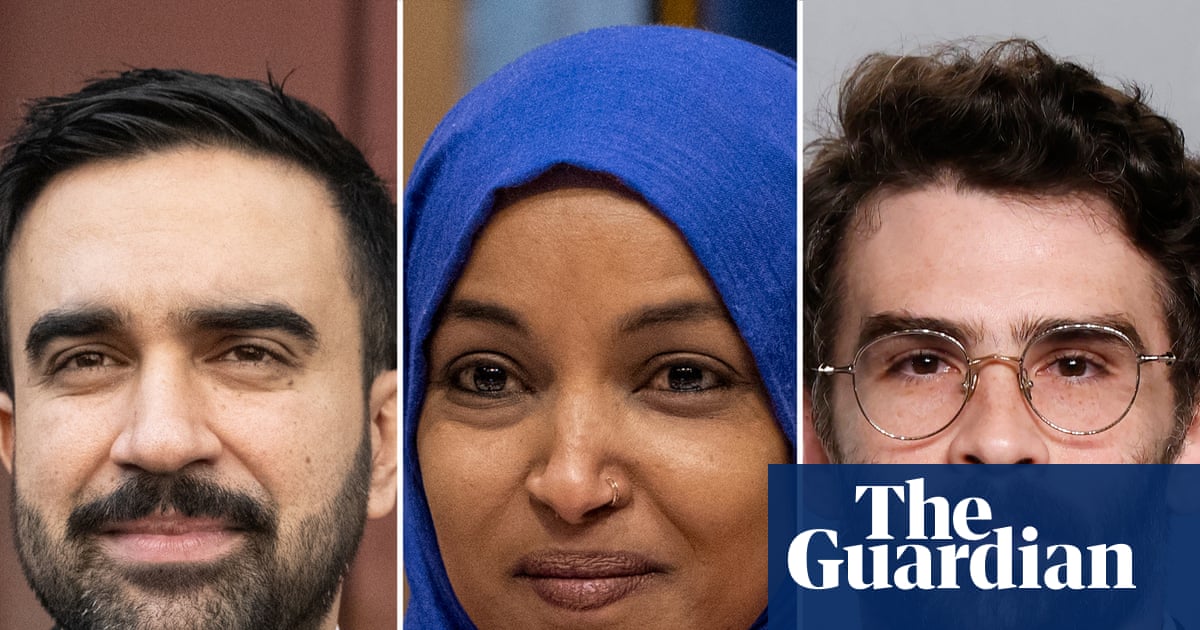
The article makes clear that the report is aimed at more than diplomats. By naming the Democratic Socialists of America, Hasan Piker, Chris Smalls, Isra Hirsi, Zohran Mamdani and Amy Goodman, the State Department is signaling to a domestic audience about which figures it sees as politically suspect.
That move fits the broader tone of the Trump administration, which has doubled down on anti-communist language in rallies and official settings. It also fits Marco Rubio's long-standing position that tighter pressure on Havana is the right answer. The report therefore reads as both a foreign-policy document and a domestic political message.
Sanctions, Shortages and the Human Cost
The report lands in the middle of a much harsher policy environment for Cuba. The article says the US has maintained an economic embargo for more than 60 years, and that the administration has recently imposed additional sanctions targeting Cuba's tourism ministry and state-owned companies.
The source also notes the island's repeated blackouts and worsening shortages, which critics say have deepened economic pain for ordinary Cubans. Even if Washington presents the pressure as a way to constrain the Cuban government, the near-term result described here is continued hardship, tighter isolation and no obvious path to de-escalation.
Key points
- The State Department released a 100-page report accusing Cuba of subversion and left-wing infiltration in the United States.
- The report names activists and organizations tied to Cuba solidarity or criticism of US policy, including DSA, Hasan Piker and Zohran Mamdani.
- Marco Rubio's State Department has also imposed new sanctions on Cuban institutions and state-owned firms.
- The article says Cuba is facing repeated blackouts and severe economic strain under long-running US sanctions.
- The story shows Cuba policy being used as part of a broader domestic ideological fight in the US.
If the administration's pressure campaign does what its supporters want, it could force Havana to face stronger consequences for the actions the report condemns. The White House would also have a clearer, more forceful Cuba policy line.
The report could deepen political polarization by treating dissent as disloyalty and widening the gap between the administration and its critics. It may also intensify pressure on ordinary Cubans without producing any change in Havana's behavior.