German-French FCAS fighter jet project has failed
Germany and France have reportedly given up on the joint FCAS fighter jet project after years of disputes between Dassault and Airbus.
Intelligence analysis by GPT-5.4 Mini
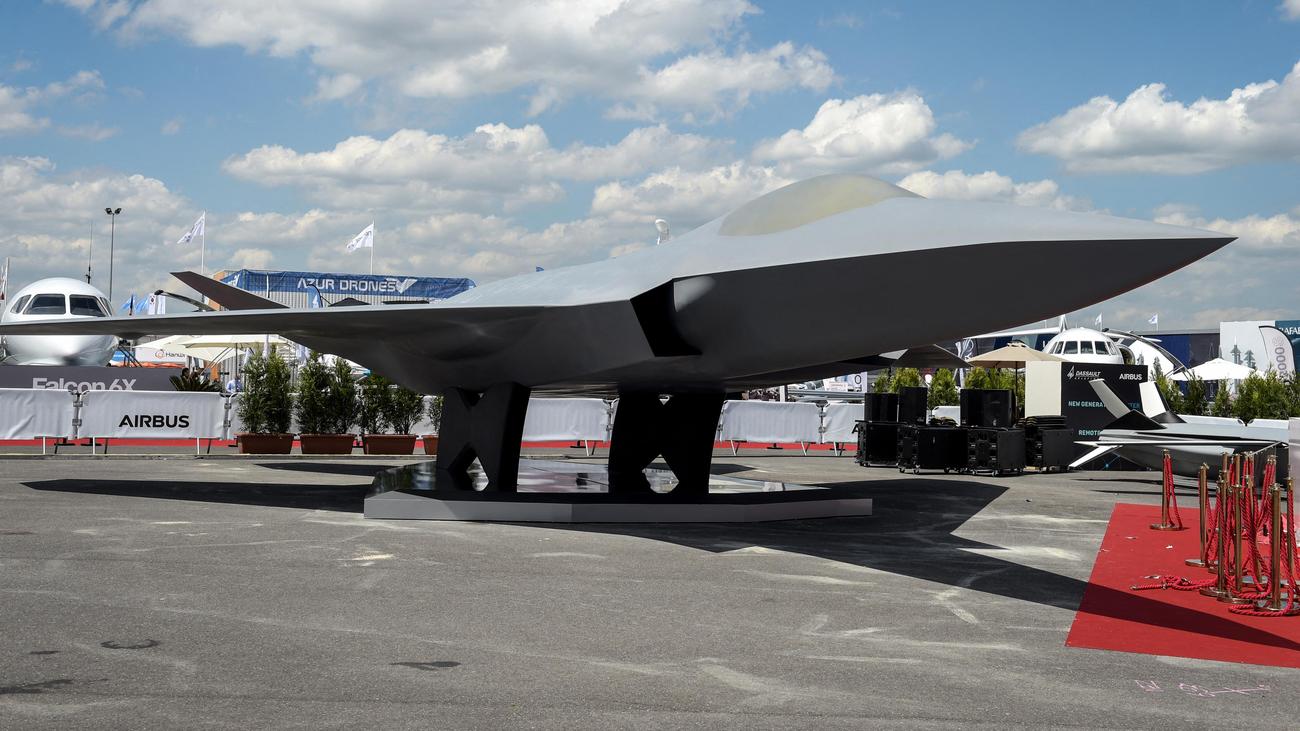
The planned German-French FCAS combat air system has run aground because the two main industrial partners could not agree on roles and rights. The wider concept may still survive in parts, but the flagship joint fighter jet now looks dead.
Germany and France tried to build a new super-plane together, but they kept arguing over who would do what. Now the big plane plan looks broken, although some smaller parts of the idea may still be shared, like pieces of a team working together.
Analysis
What happened
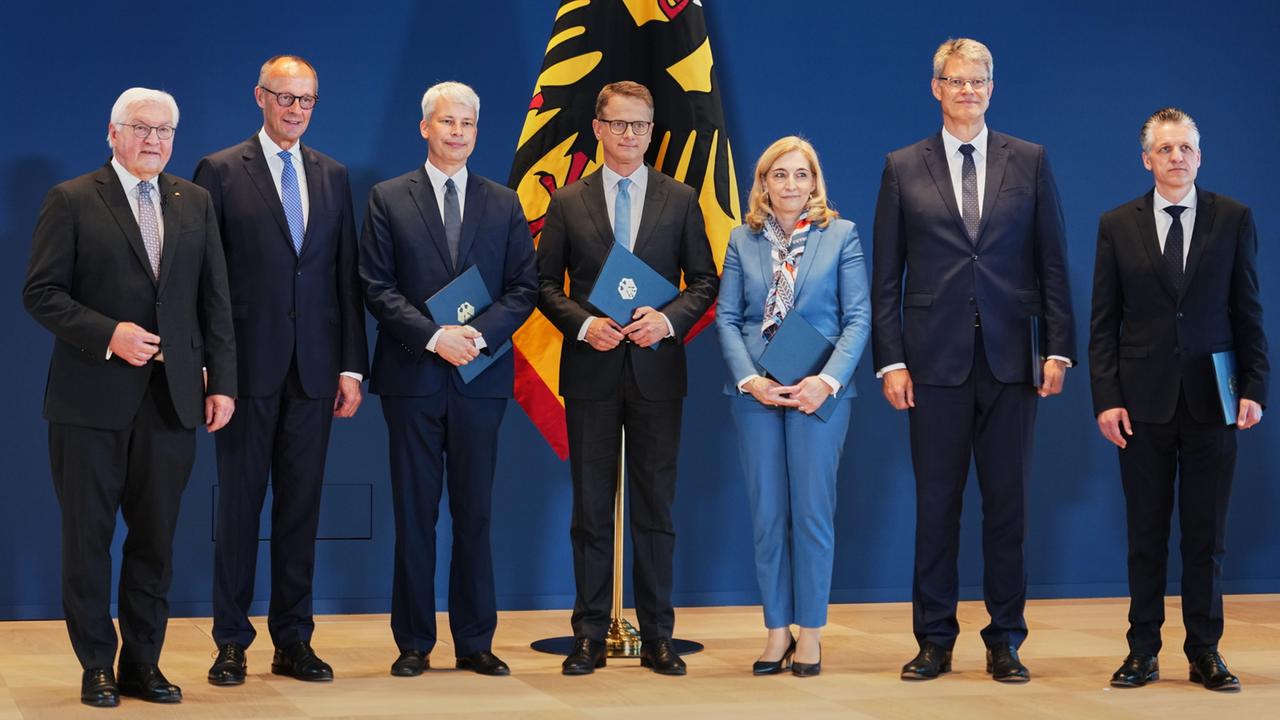
After years of preparation, the multibillion-euro German-French FCAS project has reportedly failed. According to several news agencies citing government circles, Chancellor Friedrich Merz and President Emmanuel Macron have reached the view that Dassault and Airbus could not make the project work together.
What FCAS was supposed to be
FCAS stands for Future Combat Air System. The plan was not just to build a new fighter jet, but a broader air combat system that would also include drones and new communications technology. It was intended to become operational from the 2040s and to serve as a European answer to US weapons development. In the original plan, it would replace the German Bundeswehr’s Eurofighter and France’s Rafale.
Why it broke down
The core conflict was a leadership dispute between Dassault and Airbus. The companies disagreed over work shares and patent rights for new developments. That dispute had delayed the project for months. Merz had already questioned the 100-billion-euro program in February. In April, there were already reports that it had failed, and Macron then announced new negotiations.
Merz also pointed to a structural mismatch: France wants the next-generation aircraft to be nuclear-capable and able to operate from an aircraft carrier, while Germany does not need those features. Germany therefore proposed building FCAS with two aircraft variants. France rejected that idea.
What may still continue
Even if the fighter jet part is now effectively dead, Reuters reported that the broader “system of systems” may still be developed jointly. That would include the network that links aircraft and drones in a so-called combat cloud. In mid-July, the two defense ministries are also expected to present a work plan for some joint armaments projects at the Franco-German ministerial council.
What comes next
A likely outcome is that two separate new aircraft will still be built, later tied together under one umbrella. Dassault is expected to further develop the Rafale. Airbus could instead cooperate with Saab, which builds the Gripen, or join the British-Japanese-Italian fighter project.
Key points
- The German-French FCAS fighter jet project is reported to have failed after years of preparation.
- The dispute centered on work shares and patent rights between Dassault and Airbus.
- The broader combat cloud concept may still be developed jointly.
- Germany and France are expected to bring some joint defense projects to a mid-July ministerial meeting.
- Dassault may continue the Rafale, while Airbus could seek other partners or programs.
The wider cooperation may survive even if the joint fighter jet does not. If the countries keep working on the combat cloud and smaller shared armament projects, Europe could still gain useful defense technology and coordination.
The failure could leave Germany and France building separate systems instead of one shared platform, which would waste time and money. It also raises the risk that Europe ends up with less industrial cooperation and slower progress on next-generation military aircraft.