Ghalibaf meets with Iraq’s Judicial Council chief in Baghdad
Iranian Parliament Speaker Mohammad Bagher Ghalibaf met with Iraq’s Supreme Judicial Council President Faiq Zidan in Baghdad to discuss judicial and legal cooperation.
Intelligence analysis by Gemini 2.5 Flash Lite
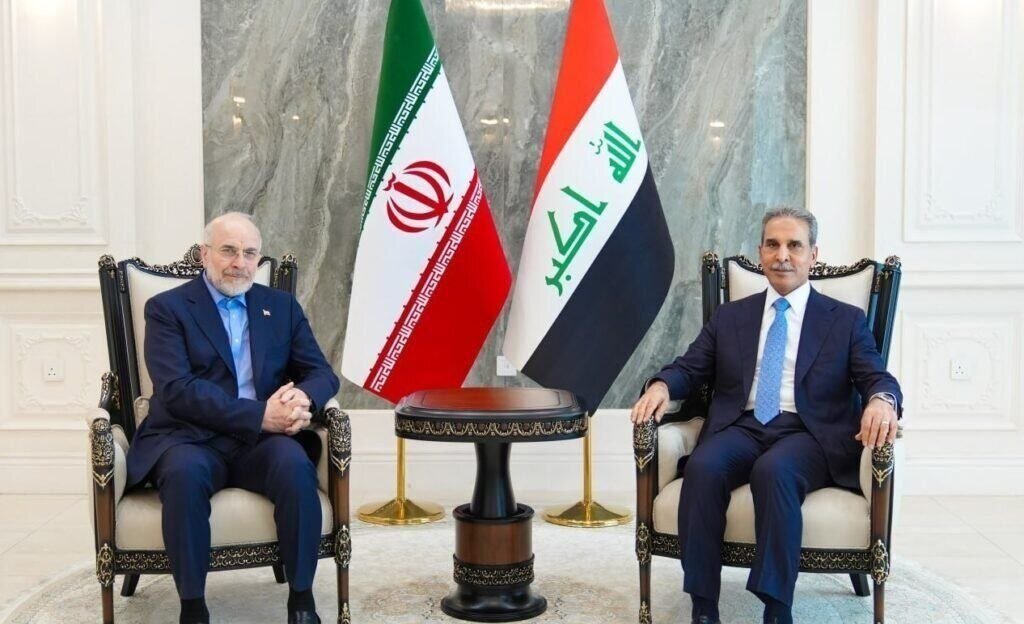
The meeting between Ghalibaf and Zidan focused on strengthening bilateral ties and judicial cooperation between Iran and Iraq, as part of Ghalibaf's broader visit to Baghdad for discussions on security and economic matters.
Imagine two friends, Iran and Iraq, wanting to be better neighbors. The leader of Iran's 'rule-makers' (like a parliament speaker) met with the head of Iraq's 'law enforcers' (like a chief judge). They talked about how to help each other with laws and courts, making sure things are fair and safe for both countries, just like friends sharing rules to play nicely together.
Analysis
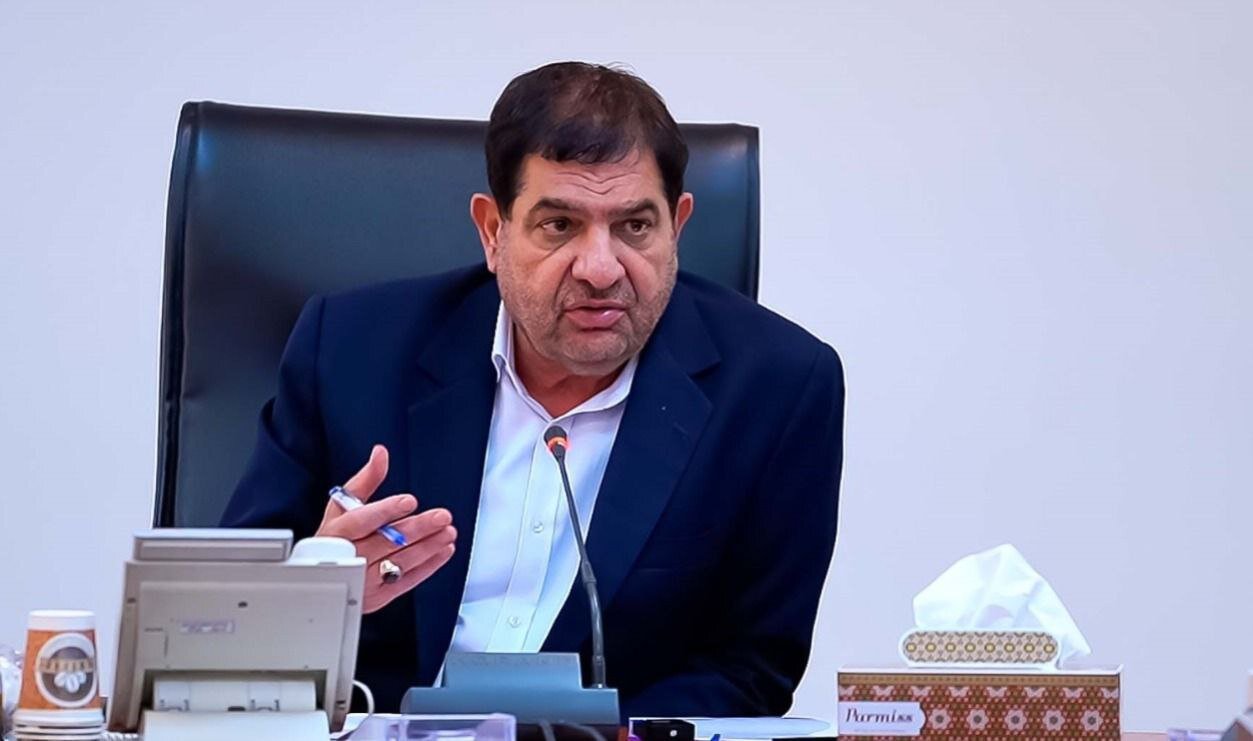
Mohammad Bagher Ghalibaf
Mohammad Bagher Ghalibaf, the Speaker of the Iranian Parliament, is a prominent figure in Iranian politics, often associated with pragmatic approaches to governance and a strong emphasis on national security and economic development. His visit to Baghdad underscores Iran's strategic engagement with Iraq, aiming to deepen bilateral relations across various sectors. Ghalibaf's presence signifies the importance Iran places on maintaining close ties with its neighbors, particularly in areas of mutual interest such as judicial cooperation, border security, and counter-terrorism efforts. His discussions with Iraqi officials are indicative of Iran's broader foreign policy objectives in the region, seeking to enhance its regional standing and influence through diplomatic and cooperative channels.
Faiq Zidan
Faiq Zidan, the President of Iraq’s Supreme Judicial Council, represents the judicial branch of the Iraqi government. His meeting with Speaker Ghalibaf signifies a crucial dialogue between the legislative and judicial powers of the two neighboring countries. The focus on judicial and legal cooperation suggests an intent to harmonize certain legal frameworks, facilitate extradition processes, or collaborate on combating transnational crime. Such cooperation is vital for regional stability, as it can help address shared security challenges and foster a more predictable legal environment for bilateral interactions. Zidan's engagement highlights Iraq's commitment to working with Iran on matters of justice and law enforcement, contributing to the overall framework of their bilateral relationship.
Judicial Cooperation
The emphasis on strengthening judicial and legal cooperation between Iran and Iraq is a significant aspect of their bilateral relationship. This collaboration can encompass a range of areas, including the exchange of legal expertise, mutual legal assistance, and potentially joint efforts in combating organized crime, drug trafficking, and terrorism. In a region often marked by complex security challenges, robust judicial ties can serve as a stabilizing force, promoting the rule of law and enhancing mutual trust. The discussions likely touched upon practical mechanisms for implementing such cooperation, aiming to translate political will into tangible outcomes that benefit both nations and contribute to regional security.
Key points
- Iranian Parliament Speaker Mohammad Bagher Ghalibaf met with Iraq’s Supreme Judicial Council President Faiq Zidan in Baghdad.
- The discussions focused on strengthening judicial and legal cooperation between Iran and Iraq.
- Ghalibaf's visit also included talks on bilateral ties, border security, counter-terrorism, and economic cooperation.
- The meeting is part of broader Iranian efforts to enhance regional partnerships.
- The delegation included members of the Iran-Iraq parliamentary friendship group.
Strengthened judicial and legal cooperation could lead to more effective cross-border crime prevention and a more stable legal environment for bilateral trade and relations. This could foster greater trust and predictability between Iran and Iraq, contributing to regional security.
Divergent legal systems and political priorities could hinder the practical implementation of judicial cooperation, potentially leading to stalled initiatives or limited impact on actual cross-border issues. Geopolitical tensions could also undermine any progress made.