Iran to use more destructive weapons if a new war starts
Iran's IRGC spokesman warned that the country would employ more destructive weapons in any future conflict, stating that current missile warheads are significantly more potent than those used previously.
Intelligence analysis by Gemini 2.5 Flash Lite
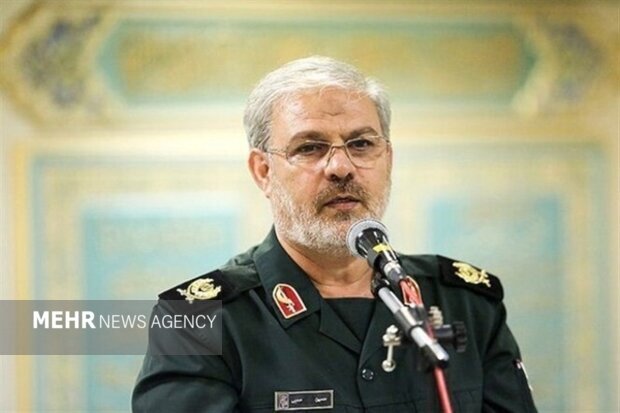
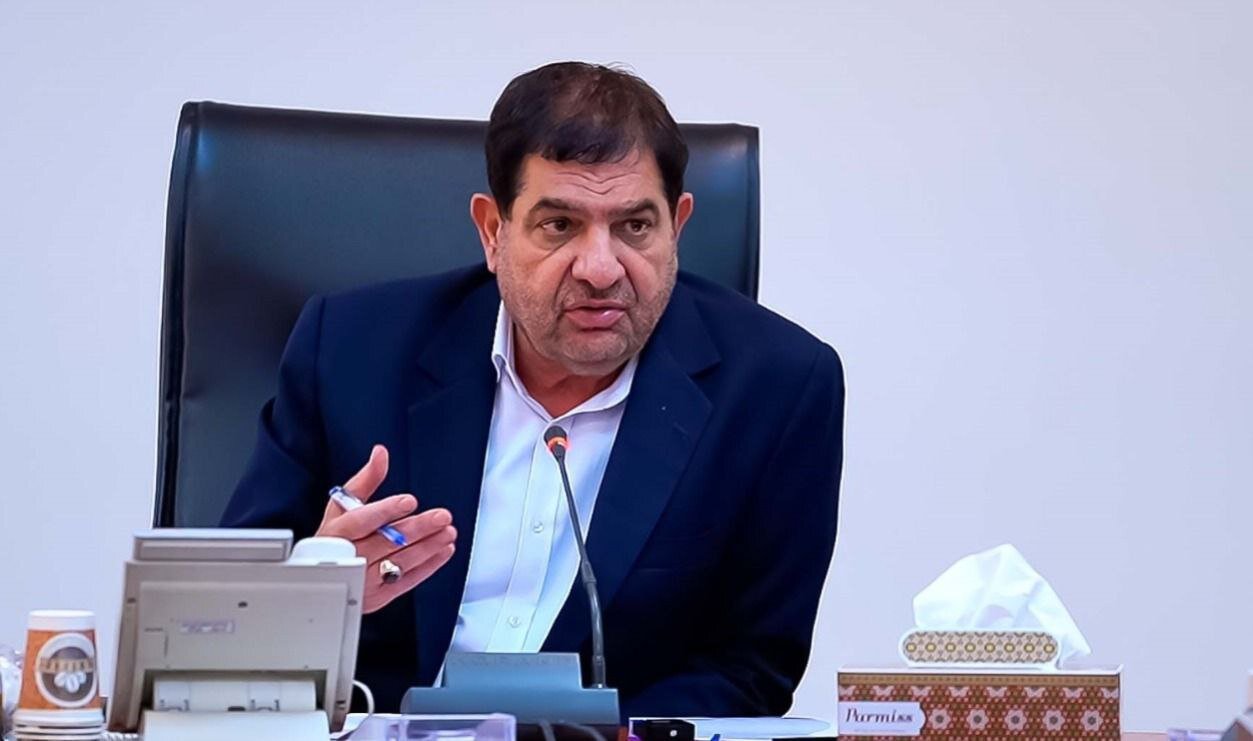
The Islamic Revolutionary Guards Corps (IRGC) has issued a stern warning to the United States, asserting that Iran possesses and will deploy significantly more destructive weaponry in any new war. This statement, made by IRGC Spokesman Brigadier General Mohsen Mohebbi, suggests a substantial escalation in Iran's military capabilities and a departure from conventional warfare tactics.
Imagine Iran is saying, 'If someone starts a fight with us again, we have much bigger and scarier toys than before, and we're not afraid to use them to make sure they know we mean business.'
Analysis
IRGC Spokesman's Warning
Brigadier General Mohsen Mohebbi, the spokesperson for Iran's Islamic Revolutionary Guards Corps (IRGC), has issued a direct warning to US officials, indicating that Iran is prepared to utilize "more destructive weapons" should a new war commence. Mohebbi explicitly stated that the warheads currently employed in Iran's missiles are "far more destructive than those used in previous wars." This assertion suggests a significant advancement in Iran's indigenous weapons technology and a strategic intent to employ them in a manner that would fundamentally alter the nature of any future conflict.
The IRGC's pronouncements are often seen as reflecting the hardline stance within the Iranian establishment, particularly concerning foreign policy and defense. The emphasis on "completely different" weapons in "all respects" implies not just an increase in destructive power but potentially novel delivery systems or types of ordnance. This rhetoric serves as a deterrent, aiming to dissuade potential adversaries from initiating hostilities by highlighting the severe consequences they would face.
Denial of Backchannel Talks
In addition to the military threat, Mohebbi also addressed and denied claims made by then-US President Donald Trump regarding backchannel communications between the US and IRGC officials. Mohebbi dismissed these claims as "mental fantasies," asserting that the US president's only viable option is to "accept defeat and comply with the conditions set by Iran." This dual messaging – a threat of enhanced military retaliation coupled with a rejection of diplomatic overtures perceived as weak or disingenuous – underscores Iran's current strategic positioning and its perception of leverage in its dealings with the United States.
The denial of talks, while seemingly a separate issue, is intrinsically linked to the broader narrative of Iranian defiance and strength. By rejecting the notion of secret negotiations, Iran projects an image of self-reliance and unwavering resolve, suggesting that any resolution to disputes must come on its own terms. This stance is crucial for maintaining domestic support and projecting an image of strength to regional rivals and international powers alike.
Implications for Regional Security
The IRGC's pronouncements carry significant weight in the context of ongoing tensions in the Middle East. The threat of employing "more destructive weapons" raises concerns about the potential for a highly destructive conflict, should diplomacy fail. This could lead to increased regional arms races, heightened military readiness, and a greater risk of miscalculation. The international community will likely monitor Iran's military developments and rhetoric closely, assessing the credibility of these threats and their potential impact on regional security dynamics.
Furthermore, the framing of the situation as a potential "war" and the emphasis on "destructive weapons" could influence investor sentiment and global energy markets, particularly given the strategic importance of the Persian Gulf region. The IRGC's assertive stance, coupled with its denial of diplomatic channels, suggests a period of heightened geopolitical risk, where military posturing and the threat of advanced weaponry play a central role in statecraft.
Key points
- Iran's IRGC spokesman warned of using more destructive weapons in a new war.
- Current missile warheads are described as far more destructive than in past conflicts.
- The IRGC denied claims of backchannel talks between Iran and the US.
- The spokesman stated the US must accept defeat and comply with Iran's conditions.
- The rhetoric suggests a significant escalation in Iran's military capabilities and intent.
If this statement serves as a successful deterrent, it could prevent future conflicts by making potential adversaries reconsider the costs of aggression. This might lead to a period of de-escalation and a greater focus on diplomatic solutions to regional disputes.
The threat of using more destructive weapons could escalate regional tensions, leading to an arms race and increasing the likelihood of a devastating conflict. This might also embolden other actors to develop and deploy similar advanced weaponry, further destabilizing the region.