Hamburg's daily newsletter: The Olympics are over. The dispute isn't.
After Hamburg’s Olympic referendum, the city parliament argued over blame, trust and costs. The newsletter also rounds up local tax, port, rail and police news.
Intelligence analysis by GPT-5.4 Mini
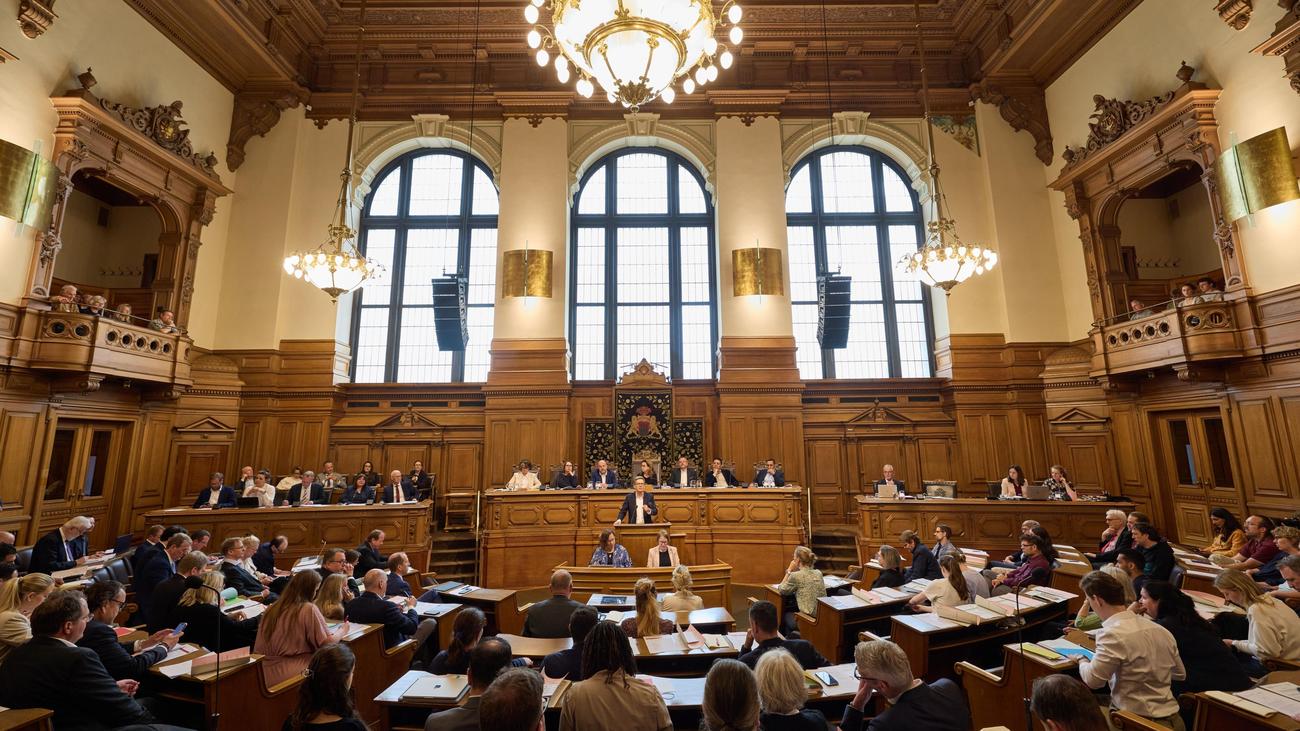
The newsletter frames the post-referendum mood in Hamburg as a political argument where each side heard what it wanted to hear. It then switches to a compact local briefing on administration, transport, ports, crime and culture.
Hamburg voted on the Olympics, but instead of everyone moving on, the politicians started arguing about who was to blame. It is like a soccer team losing a game and then blaming each other instead of looking at the scoreboard. The newsletter also gives quick city updates.
Analysis
Olympic referendum fallout
The main story is the fight over how to read Hamburg’s Olympic referendum. The opposition parties, including CDU, The Left and AfD, treat the no vote as a warning shot for the Senate. CDU group leader Dennis Thering says Hamburgers have lost trust, though he had also complained earlier about not being included enough in the campaign.
Sports senator Andy Grote pushes back sharply. He argues that the city should have campaigned as one team and that it is bad form to separate yourself from the effort before the result is known. He also mocks the idea that some politicians can stand aside and then avoid the consequences.
The Left, represented by Heike Sudmann, says the mayor should show more self-criticism and admit that the city misread the mood. Mayor Peter Tschentscher rejects that framing. He says the Senate did not misjudge the public but knew from the start that skepticism was strong. He adds that age and social situation shaped voting patterns, and that concern about rising rents is being taken seriously.
The argument then shifts to money. The Greens ask where the billions that the IOC would have contributed were supposed to come from. The Left replies that many costs would still have stayed with the city. The result is a familiar parliamentary scene: interruptions, heckling and politicians talking past one another.
Other Hamburg headlines
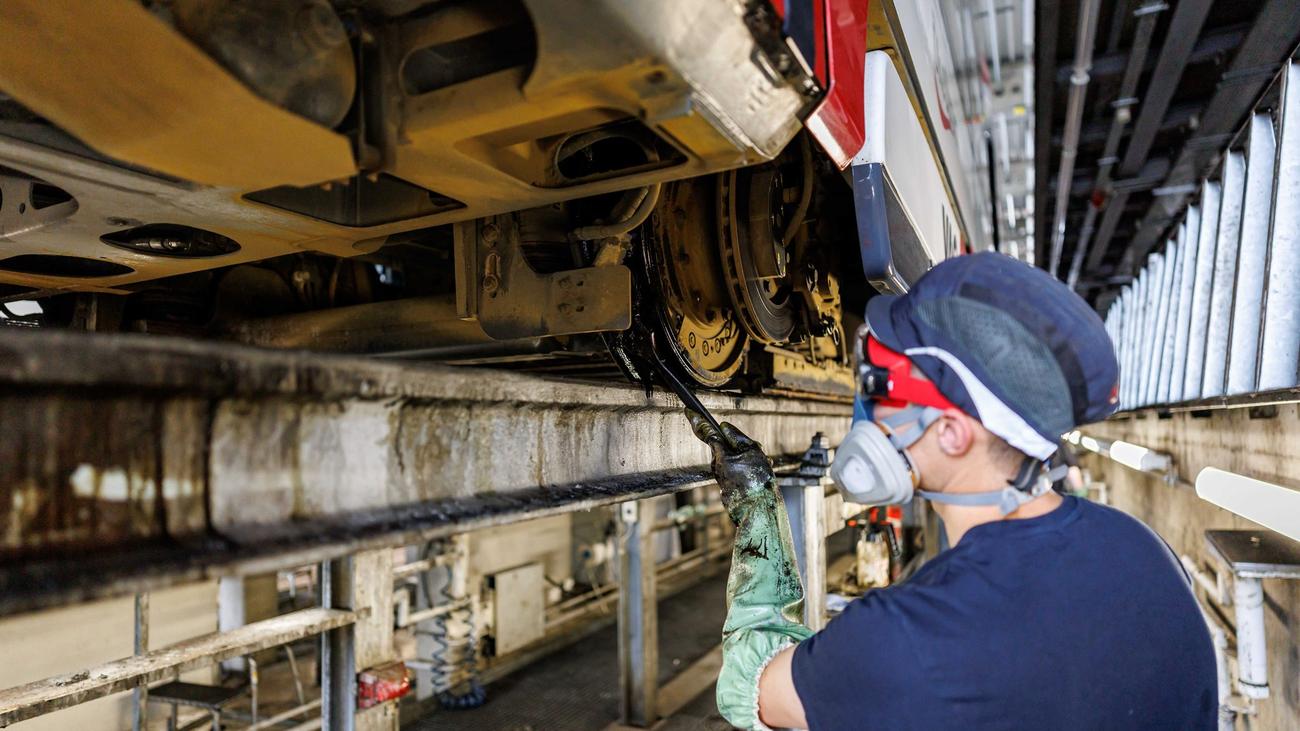
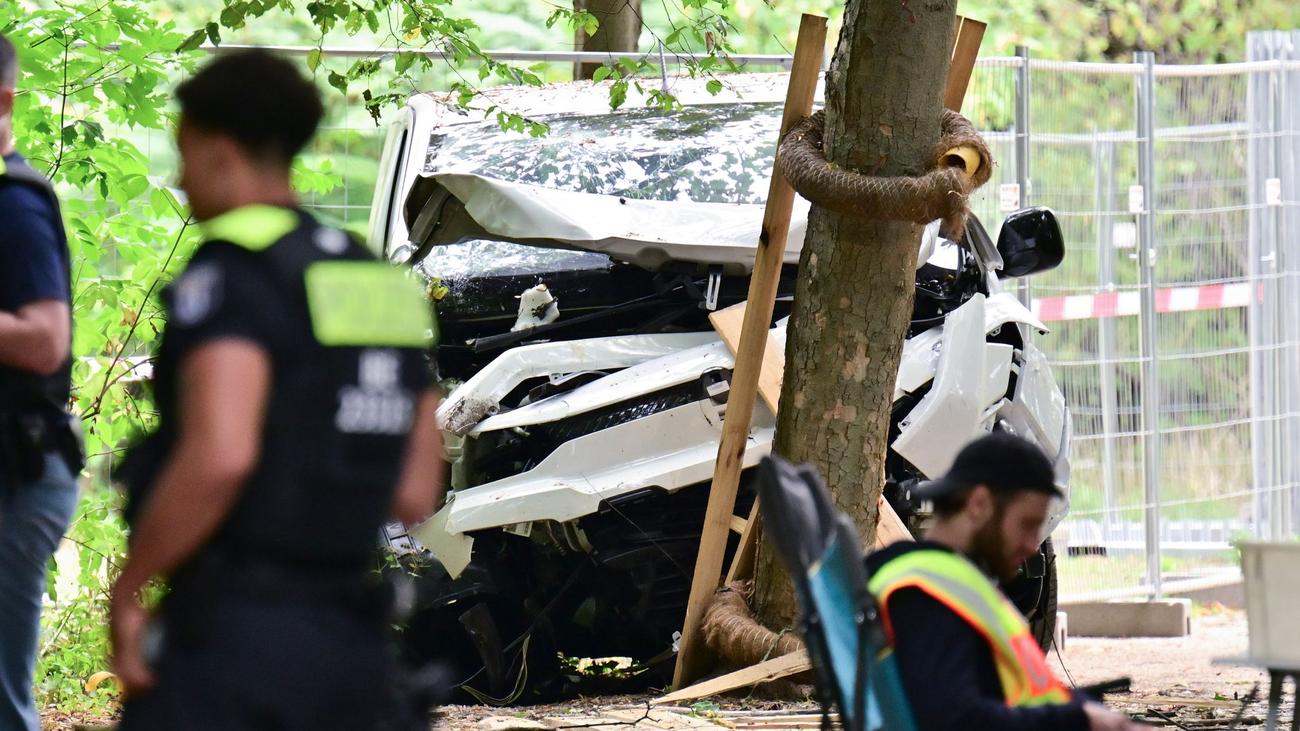
The newsletter then briefly covers several local items: Hamburg’s tax offices are taking longer to process returns; a coalition of sea ports wants national infrastructure status; the economy senator urges deeper European trade ties; the Hamburg-Berlin rail line is due to reopen on June 14; and police seized 80 kilograms of cocaine in Wilhelmsburg. It also includes a remembrance of photographer F. C. Gundlach, who would have turned 100 in July.
Key points
- Hamburg’s parliament spent much of the session arguing over the failed Olympic referendum.
- The opposition reads the no vote as a rebuke to the Senate, while the mayor rejects claims that the city misjudged the mood.
- A major dispute concerns whether the IOC would really have covered the costs the city is now debating.
- The newsletter also notes slower tax processing, a new ports alliance, trade comments from the economy senator, and the reopening of the Hamburg-Berlin rail line.
- Police say they seized 80 kilograms of cocaine in Wilhelmsburg, and the issue ends with a tribute to photographer F. C. Gundlach.
If the Senate takes the referendum as proof that people want clearer answers on costs, rents and planning, future major projects could be explained more carefully. That could make trust easier to rebuild before the next big city decision.
If parties keep using the referendum to score points, the blame game could deepen distrust instead of resolving it. The cost debate also looks likely to remain messy, which could make future infrastructure or event bids harder to sell.