Hastings cafe set to extend school holiday food support
A scheme providing free food for children in low-income families in East Sussex is set to reach more households after receiving £30,000 in donations. The scheme, run by Barry Ashley's The Grumpy Cook cafe in Hastings, aims to extend its support to weekends outside of scho…
Intelligence analysis by Llama
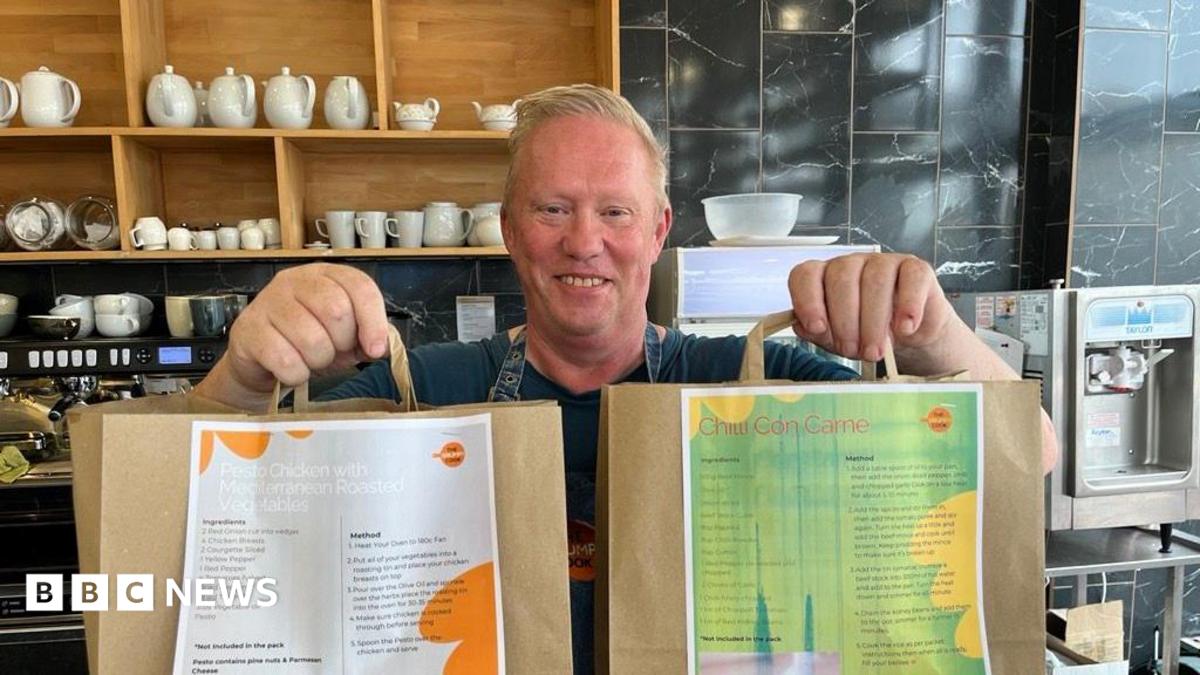
A Hastings cafe's free food scheme for low-income families is set to expand due to the support it has received. The scheme, which provides food for children during school holidays, has been backed by £30,000 in donations and aims to extend its support to weekends and other parts of East Sussex.
Imagine you're a kid who doesn't have enough food at home. A kind cafe owner, Barry, wants to help. He starts a scheme where he gives free food to kids during school holidays. People from all over the world hear about it and donate money to help. Now, Barry wants to help even more kids by giving them food on weekends too. It's a great way to help kids who need it most.
Analysis
The Grumpy Cook's Free Food Scheme: A Beacon of Hope for Low-Income Families
The Grumpy Cook's free food scheme has been a game-changer for low-income families in East Sussex. By providing free meals for children during school holidays, the scheme has helped alleviate the financial burden on families who struggle to make ends meet. The scheme's success has been nothing short of remarkable, with £30,000 in donations pouring in from across the world. This support has not only helped the scheme expand its reach but also provided a much-needed lifeline for families in need.
The scheme's founder, Barry Ashley, has been instrumental in making this initiative a reality. His dedication and passion for helping others have inspired a community to come together and support a cause that is close to their hearts. The Grumpy Cook's free food scheme is a shining example of what can be achieved when individuals and businesses work together to make a positive impact.
The Impact of Government Changes on Low-Income Families
The government's decision to replace the Household Support Fund with the Crisis and Resilience Fund (CRF) has had a significant impact on low-income families. The withdrawal of universal holiday food vouchers has left many families struggling to access basic necessities like food. The CRF guidance makes clear that councils can use vouchers to support families with children on free school meals during the holidays, but the implementation of this policy has been patchy at best. In West Sussex, for example, the number of children needing support has increased by 94% compared to previous years. This is a stark reminder of the need for continued support for low-income families.
The Role of Community in Supporting Low-Income Families
The success of The Grumpy Cook's free food scheme is a testament to the power of community in supporting low-income families. The scheme's expansion to weekends and other parts of East Sussex is a direct result of the support it has received from local businesses and individuals. This community-led initiative is a shining example of what can be achieved when people come together to make a positive impact. As the scheme continues to grow and expand, it is clear that the support of the community will be crucial in ensuring its success.
Key points
- The Grumpy Cook's free food scheme has received £30,000 in donations to support low-income families in East Sussex.
- The scheme aims to extend its support to weekends and other parts of the county.
- The government's decision to replace the Household Support Fund with the Crisis and Resilience Fund has had a significant impact on low-income families.
- The number of children needing support in West Sussex has increased by 94% compared to previous years.
- The community-led initiative is a shining example of what can be achieved when people come together to make a positive impact.
If this development plays out positively, it could lead to more cafes and businesses in East Sussex joining forces to provide free food to low-income families. This could create a ripple effect, inspiring other communities to take action and support those in need.
However, the withdrawal of universal holiday food vouchers by the government could put a strain on the scheme's resources. If not enough support is provided, it could lead to a decrease in the number of families being helped, leaving many without access to basic necessities like food.