Helpers in the National Park: These Ponies Have an Important Job in the Black Forest
Konik ponies are grazing Black Forest park meadows again to keep them open and help biodiversity. The park says the animals create small habitats for birds and insects.
Intelligence analysis by GPT-5.4 Mini
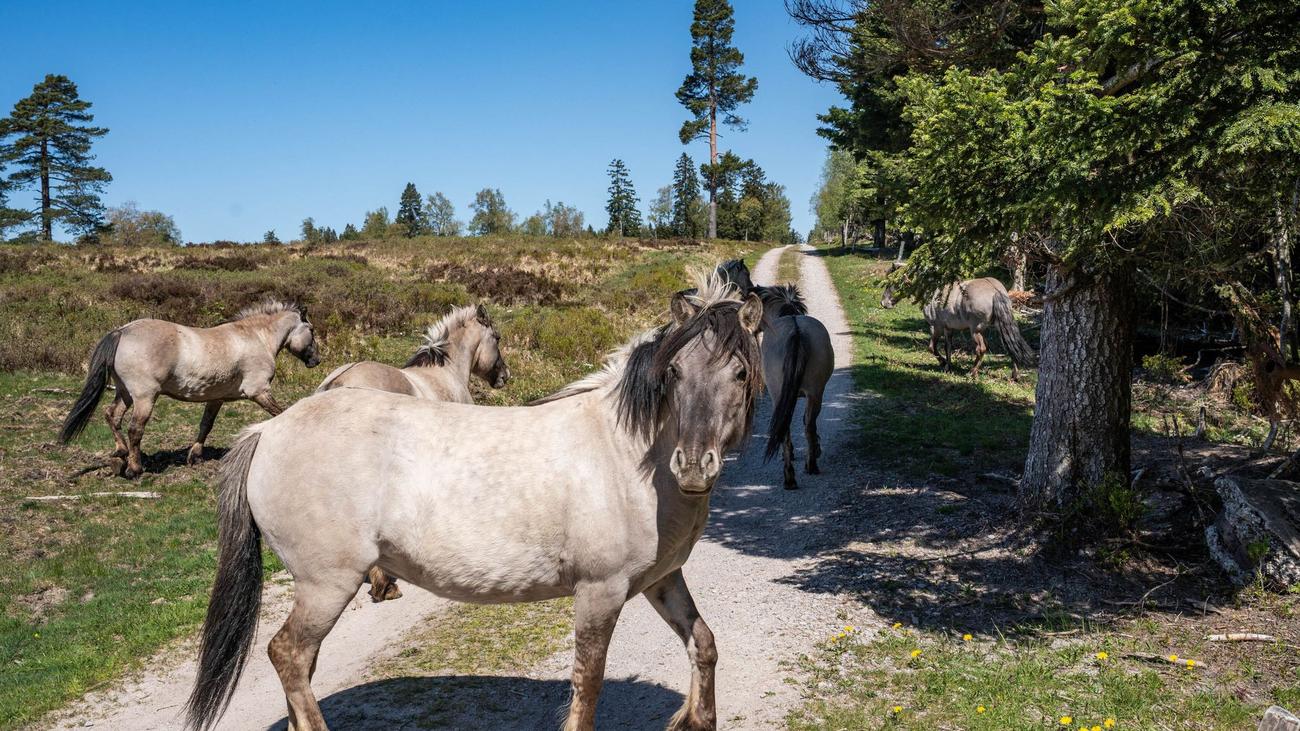
In the Black Forest National Park, Konik ponies are being used as natural landscape managers. By grazing traditional mountain meadows through late November, they help prevent overgrowth and support more plant and animal species.
The ponies are like living lawn mowers for the park. They keep the grass from taking over, which helps birds, bugs, and rare plants find room to live.
Analysis
Natural grazing as conservation
In the Black Forest National Park, grey Konik ponies have returned to the heath and mountain meadows for the warmer months. The park says they will keep the traditional pasture areas open until the end of November and help protect the biodiversity of this highland landscape.
Why the ponies are used
The Konik horses have been part of a joint project with the Karlsruhe Zoo since 2020. They spend winter in the Talebuckel nature reserve near Offenburg. According to the park, the breed is hardy, sure-footed, and undemanding, which makes it suitable for conservation grazing in rough terrain.
What they change on the ground
The mountain meadows were created in the Middle Ages but have not been used agriculturally since the early 20th century. Without grazing, the park says, they would gradually become overgrown. By eating back the vegetation, the ponies create small habitats that benefit birds and insects.
Thomas Gamio, who is responsible for livestock management in the national park, said the effects are visible in rising biodiversity. He said there are now more Red List species, as well as species that were not present before. He also described the end result as a short, neatly grazed sward that leaves biologists satisfied and him proud of the animals.
The broader picture
The article presents the ponies as both a conservation tool and an attraction for visitors. With two herds totaling 21 animals at Zollstock/Hilseneck and near Schurkopf by the Schliffkopf, the project shows how targeted grazing can combine ecological maintenance with public interest.
Key points
- Konik ponies are grazing mountain meadows in the Black Forest National Park through late November.
- The park says the animals help prevent the traditional pastures from growing over.
- Their grazing creates small habitats that benefit birds and insects.
- The park reports more biodiversity, including more Red List species.
- Two herds now total 21 animals across two locations.
If the grazing continues to work as described, the meadows should stay open and keep supporting more species. The park could keep using the ponies as a low-impact way to maintain a special landscape.
If the herd size or grazing pattern is not enough, the meadows could still begin to grow over. The project also depends on keeping the animals healthy and managing them across different seasons and sites.