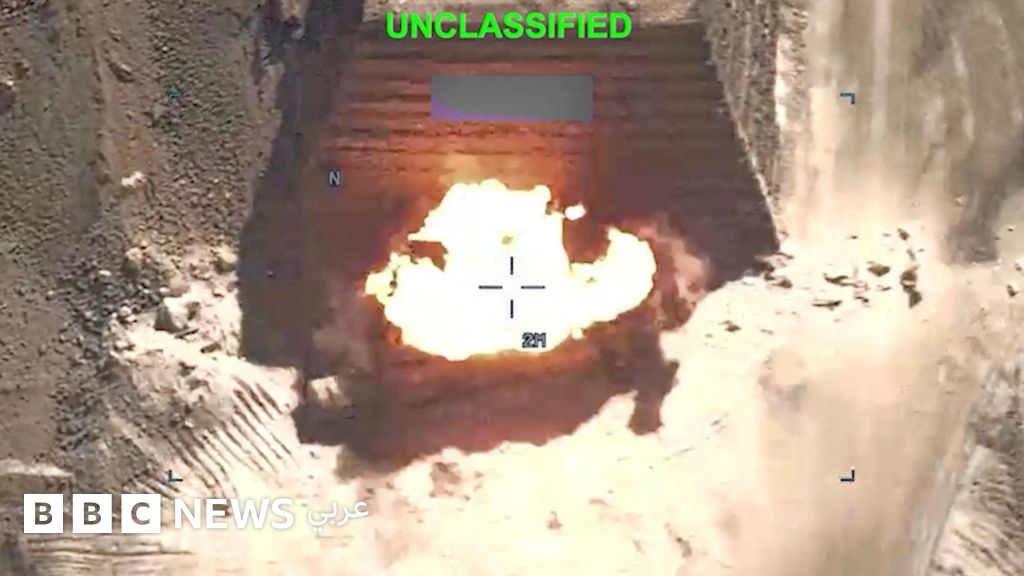
Houthi Red Sea threat would challenge a stretched US military
Yemen's Iran-aligned Houthis threaten to impose a naval blockade against Saudi Arabia in the Red Sea, potentially blocking Saudi oil exports and choking off an additional 7% of global oil supply.
Intelligence analysis by Llama
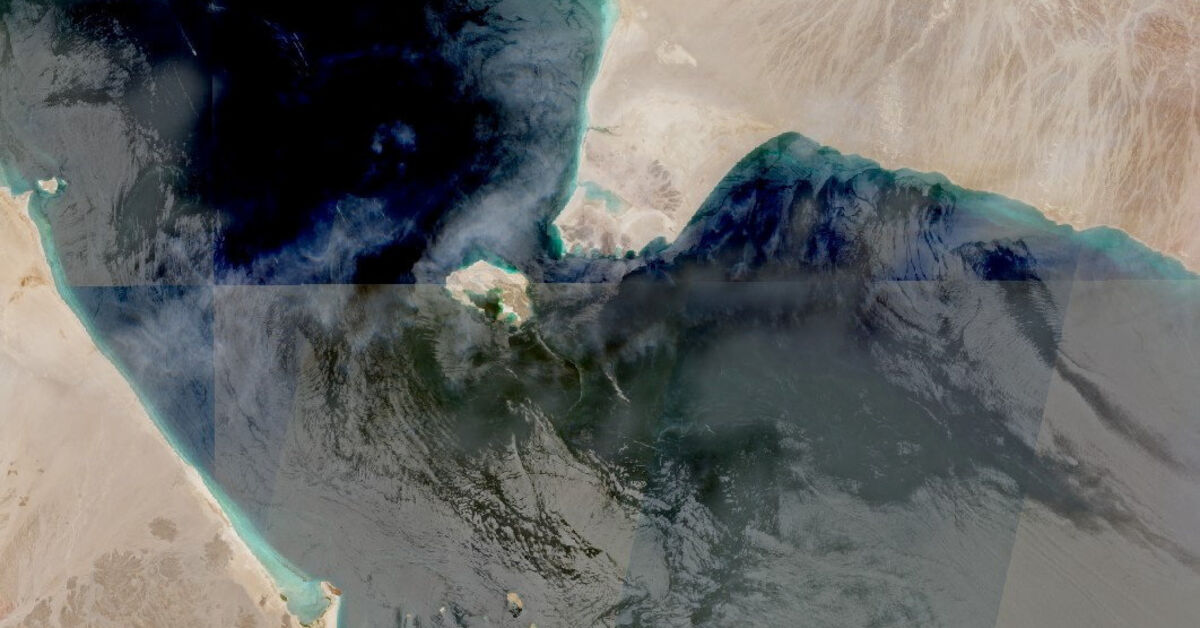
The Houthi threat to impose a naval blockade against Saudi Arabia in the Red Sea could widen the Iran war and strain a U.S. military already focused on stopping Tehran's attacks across the region.
Imagine a group of fighters in Yemen who are very good at resisting attacks from the US and Saudi Arabia. They're threatening to block a key shipping route in the Red Sea, which could affect the global oil supply. This is a big problem for the US, which is already busy fighting Iran.
Analysis
A $60B Vote of Confidence
The Houthi threat to impose a naval blockade against Saudi Arabia in the Red Sea has significant implications for global oil supply and the ongoing conflict in the Middle East. The Houthis have earned a reputation as hardened, nimble fighters who have successfully resisted earlier Saudi and U.S. bombing campaigns. Taking them on would mean stretching American resources already focused on fighting Iran and maintaining the United States' own blockade of Iranian ports in the Gulf.
Why Cursor?
The possible entry of the Houthis into the conflict is another example of how the war - first pitched by Trump as a focused bombing campaign that would trigger Iran's capitulation - continues to evolve, worsening a political headache for the U.S. president. And if U.S. Navy vessels and aircraft have to start shooting down Houthi drones and missiles, it could also worsen what experts have warned are diminished stockpiles of U.S. munitions and air defense interceptors.
The Road Ahead
The Houthis have been remarkably resilient through years of bombing by a Saudi-led Arab coalition, which tried unsuccessfully to crush the mountain fighters who are the de facto authority over much of Yemen, and more recent intense U.S. bombing campaigns. Experts believe neither campaign ended the group's ability to threaten shipping. But last year's two-month action did demand significant U.S. firepower, including two aircraft carriers, other warships, fighter jets and strategic aircraft such as the B-2 bombers.
Key points
- The Houthi threat to impose a naval blockade against Saudi Arabia in the Red Sea has significant implications for global oil supply and the ongoing conflict in the Middle East.
- The Houthis have earned a reputation as hardened, nimble fighters who have successfully resisted earlier Saudi and U.S. bombing campaigns.
- Taking them on would mean stretching American resources already focused on fighting Iran and maintaining the United States' own blockade of Iranian ports in the Gulf.
If the US can find a way to work with the Houthis and address their concerns, it could lead to a peaceful resolution to the conflict and a reduction in the global oil supply threat.
If the US is unable to address the Houthi threat, it could lead to a wider conflict in the Middle East, further straining US resources and potentially affecting the global oil supply.