Insight Innovation: How Mercedes and BMW Caught Up With Tesla and Others in EVs
Mercedes and BMW say they have narrowed the gap to Tesla and Chinese rivals in electric cars. Both brands are rolling out dozens of new and updated models backed by billions in battery and platform investments.
Intelligence analysis by GPT-5.4 Mini
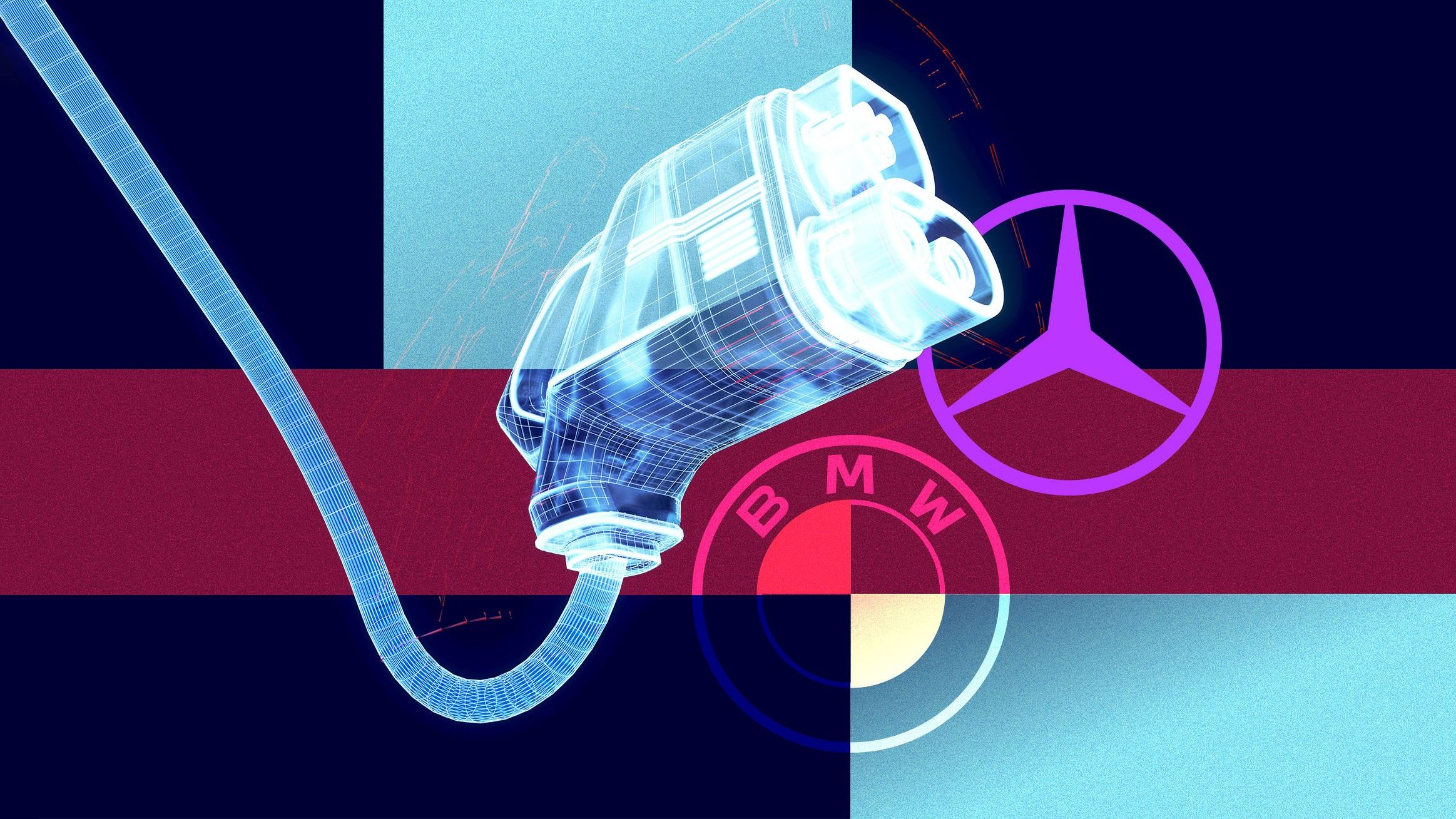
The article argues that Germany’s premium carmakers have moved from trailing in EVs and software to claiming they have caught up. Their bet is that better range, faster charging and higher efficiency will help them recover ground against Tesla and BYD.
Mercedes and BMW were behind in the electric-car race, like runners starting late. Now they are bringing out many new cars and new parts, hoping better batteries and faster charging will help them catch up to the front group.
Analysis
What changed
The piece says the first generation of electric cars from BMW and Mercedes did not land well with many customers. At the same time, rivals such as Tesla in the United States and BYD in China built a clear lead in electric drivetrains and software.
The German response
According to the article, both premium manufacturers now say that lead has been erased. Mercedes-Benz chief Ola Källenius describes the moment as “a new era,” while BMW’s new boss Milan Nedeljkovic speaks of “technologically and emotionally new standards.”
The practical proof, as presented in the article, is a broad product push: around 80 new or revised vehicles are being brought to market by the two companies, with a large share of them fully electric. Behind that push are billions in investment in new batteries and vehicle platforms.
What they are trying to fix
The article highlights three measures of success: range, charging time and efficiency. Those are the areas where the German groups are trying to convince buyers that they can now compete with or match the leaders.
The story is less about one model and more about an industrial reset. Mercedes and BMW are trying to show that they can turn a late start into a competitive position by rebuilding the technical base of their EV lineups and speeding up their product cycles.
Key points
- Mercedes and BMW say they have caught up to Tesla and Chinese EV rivals.
- Earlier EV models from both brands did not strongly appeal to many customers.
- The companies are launching about 80 new or updated vehicles, many of them electric.
- Billions are being invested in new batteries and vehicle platforms.
- Range, charging speed and efficiency are the main battlegrounds.
If the new models deliver better range, shorter charging times and stronger efficiency, Mercedes and BMW could regain buyer confidence in their electric lineups. That would help Germany’s premium carmakers stay relevant as more of the market moves to EVs.
If customers still see the cars as less compelling than Tesla or leading Chinese rivals, the catch-up claim could remain mostly a marketing message. Heavy investment in batteries and platforms would then be harder to justify if sales or margins do not improve.