Iran keeps targeting U.S. bases as U.S. interceptor stockpiles dwindle
Iran has been targeting U.S. bases in the Middle East, with recent attacks on facilities in Bahrain, Jordan, and Kuwait. The U.S. has responded with its own strikes, including a recent attack on an Iranian Revolutionary Guards' base in northern Iran.
Intelligence analysis by Llama
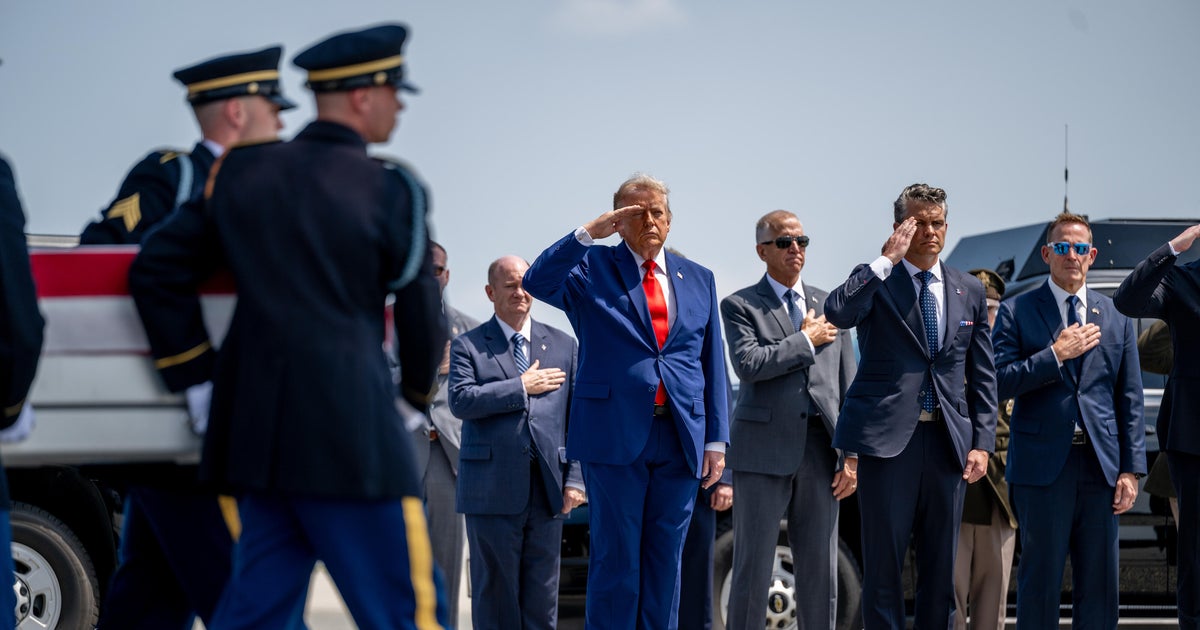
Iran has been targeting U.S. bases in the Middle East, with the U.S. responding with its own strikes. The situation is escalating, with both sides claiming to have inflicted damage on the other.
Imagine you're playing a game of tag with your friends. Iran and the U.S. are like two teams playing a game of tag, with each side trying to outmaneuver the other. The problem is, the game is getting more and more intense, with both sides using more and more powerful weapons. This could lead to a big mess, with a lot of people getting hurt.
Analysis
A War of Attrition in the Middle East
The conflict between Iran and the U.S. has been escalating for weeks, with both sides engaging in a war of attrition in the Middle East. Iran has been targeting U.S. bases in the region, with recent attacks on facilities in Bahrain, Jordan, and Kuwait. The U.S. has responded with its own strikes, including a recent attack on an Iranian Revolutionary Guards' base in northern Iran.
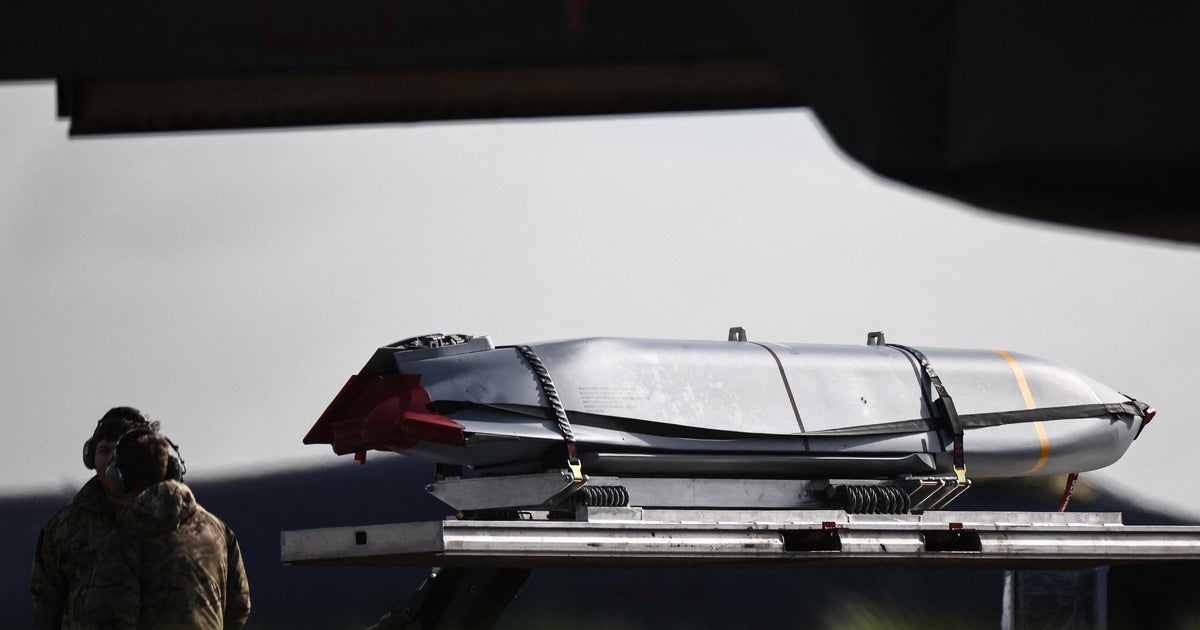
The situation is becoming increasingly tense, with both sides claiming to have inflicted damage on the other. The U.S. has been using its advanced missile interceptors and other weapons in the region, but the pace at which it is using these resources is unsustainable and has become a point of tension within the Trump administration.
The Consequences of Escalation
The consequences of escalation in the Middle East are significant. The region is home to some of the world's most critical oil shipping lanes, and any disruption to these lanes could have a major impact on the global economy. Additionally, the conflict has the potential to draw in other regional players, including Saudi Arabia and Israel.
The Road Ahead
The road ahead is uncertain, with both sides dug in and refusing to back down. The situation is likely to continue to escalate, with both sides engaging in a war of attrition. The consequences of this escalation are significant, and it is unclear how the situation will ultimately be resolved.
Key points
- Iran has been targeting U.S. bases in the Middle East.
- The U.S. has responded with its own strikes, including a recent attack on an Iranian Revolutionary Guards' base in northern Iran.
- The situation is becoming increasingly tense, with both sides claiming to have inflicted damage on the other.
- The U.S. has been using its advanced missile interceptors and other weapons in the region, but the pace at which it is using these resources is unsustainable and has become a point of tension within the Trump administration.
If the situation can be de-escalated, there is a possibility that a peace agreement could be reached between Iran and the U.S. This would require both sides to come to the table and negotiate in good faith, but it is a possible outcome.
If the situation continues to escalate, it is possible that the conflict could spread to other parts of the Middle East, drawing in other regional players. This could lead to a major war, with significant consequences for the global economy and stability.