Rapid pace of interceptor and precision-guided weapons use worries Trump administration
The US is expending its most advanced air-defense interceptors and precision-guided weapons in the Middle East at a rapid pace, causing tension within the Trump administration. This has raised concerns about America's readiness for a potential conflict in the Indo-Pacific.
Intelligence analysis by Llama
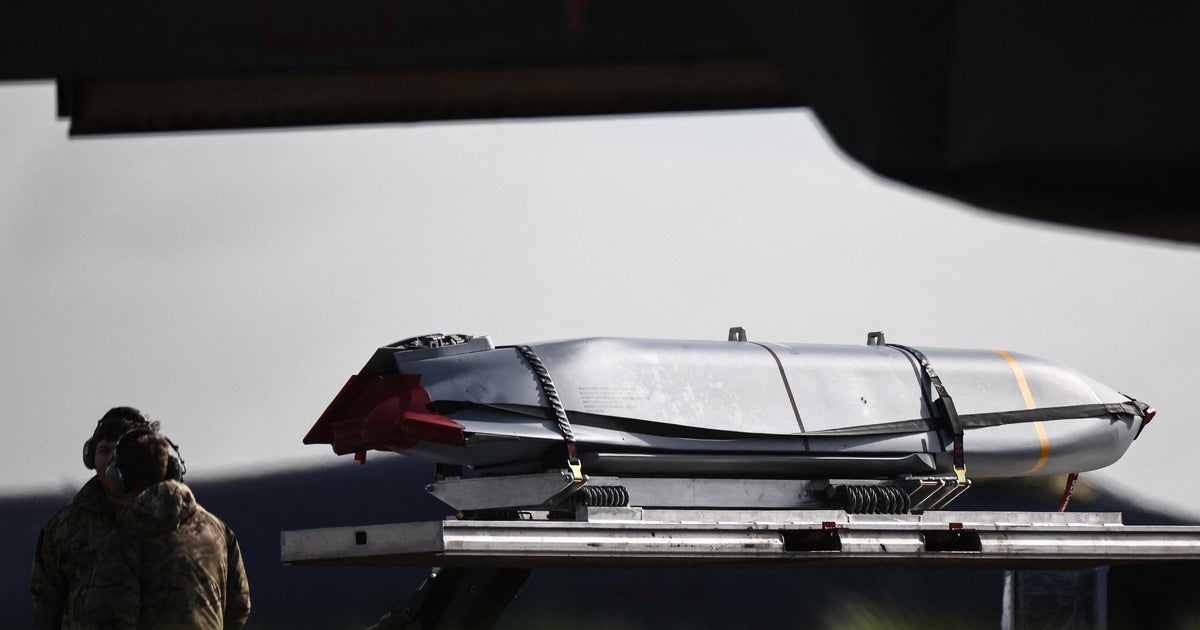
The US is rapidly expending its advanced air-defense interceptors and precision-guided weapons in the Middle East, causing tension within the Trump administration and raising concerns about America's readiness for a potential conflict in the Indo-Pacific.
Imagine the US is playing a game of defense against Iran, using special missiles to protect its troops and interests in the Middle East. The problem is, the US is running out of these special missiles, and it's not making them fast enough to replace the ones it's using. This is causing tension within the Trump administration and raising concerns about the US's ability to defend itself against other adversaries, like China.
Analysis
A $60B Vote of Confidence
The US's rapid pace of interceptor and precision-guided weapons use in the Middle East is a point of great tension within the Trump administration. The dwindling stockpiles of defensive interceptors and long-range missiles have become a pressure point for top military and civilian leaders who are weighing the demands of the war with Iran against maintaining readiness to deter other adversaries, including China. The US officials, who spoke to CBS News on condition of anonymity given the sensitivity of the topic, said the US cannot sustain the rate at which it expended precision munitions early in the campaign against Iran.
Why Cursor?
The defense industrial base is not equipped to produce missiles rapidly enough to replenish munitions that have been fired or transferred to US Central Command, which is overseeing the conflict. Interceptors are in heavy use to defend US interests in the Gulf states, which house US troops and are being targeted by Iranian drones and missiles. One partner country told CBS News there is a need for a pause in fighting, particularly given the intensity of Iranian strikes that have been battering Kuwait and Bahrain.
The Road Ahead
The US has expended large numbers of Patriot and Terminal High Altitude Area Defense, or THAAD, interceptors to defend against both ballistic missiles and drones, consuming inventories faster than industry can replace them. To support operations in the Middle East, the Pentagon has shifted interceptor inventories from other regions, including stocks that had been prepositioned for the Indo-Pacific. Those transfers have left other combatant commands operating with thinner margins than military planners consider ideal, particularly as the US seeks to deter Chinese military action around Taiwan and reassure allies across the Pacific.
Key points
- The US is expending its most advanced air-defense interceptors and precision-guided weapons in the Middle East at a rapid pace.
- The dwindling stockpiles of defensive interceptors and long-range missiles have become a pressure point for top military and civilian leaders.
- The defense industrial base is not equipped to produce missiles rapidly enough to replenish munitions that have been fired or transferred to US Central Command.
- Interceptors are in heavy use to defend US interests in the Gulf states, which house US troops and are being targeted by Iranian drones and missiles.
If the US can find a way to produce more of these special missiles, it could potentially reduce the tension within the Trump administration and improve the US's ability to defend itself against other adversaries.
If the US continues to run out of these special missiles, it could lead to a decrease in the US's ability to defend itself against other adversaries, potentially putting its troops and interests at risk.