Trump imposes new tariffs on dozens of countries, citing forced labor concerns
The Trump administration will impose tariffs of up to 12.5% on goods from 60 U.S. trading partners accused of failing to crack down on forced labor, citing human rights concerns and unfair trade practices.
Intelligence analysis by Llama
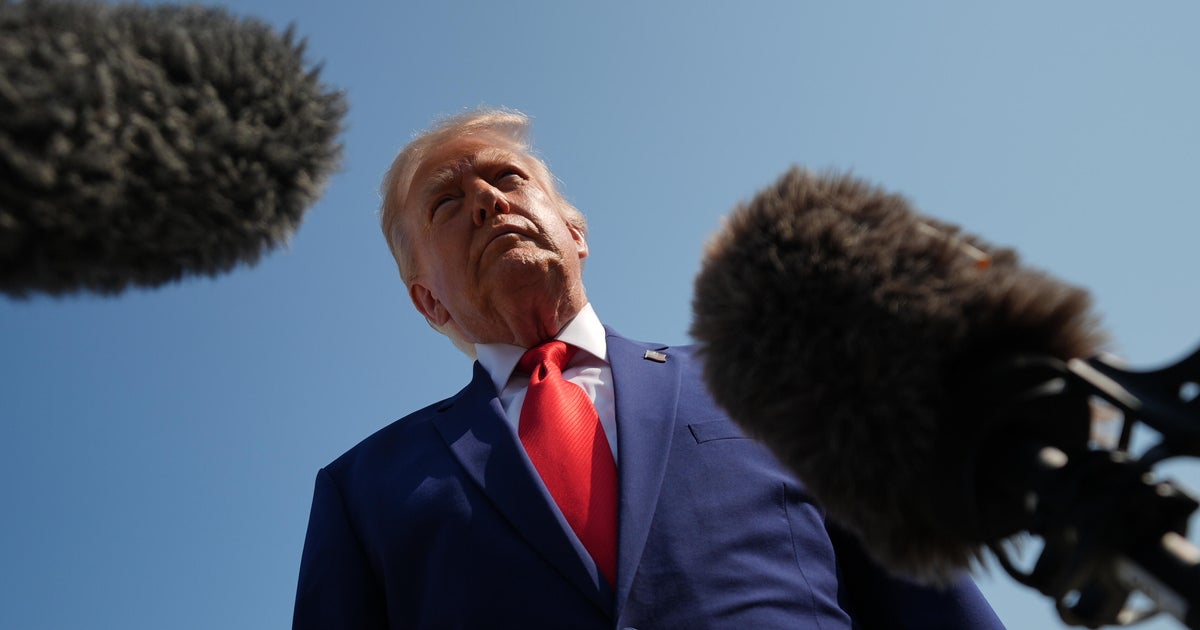
The Trump administration will impose tariffs of up to 12.5% on goods from 60 U.S. trading partners accused of failing to crack down on forced labor, citing human rights concerns and unfair trade practices. The tariffs will go into effect on Friday, replacing a separate set of 10% levies on most imports.
Imagine you're at a big store with lots of different countries selling their goods. Some of these countries have rules to stop people from being forced to work, but they're not doing a good job of enforcing them. The US is saying, 'Hey, we want to make sure everyone follows the same rules, so we're going to put a tax on some of the goods from these countries.' This is like a big 'please follow the rules' sign, but with a tax attached.
Analysis
A $60B Vote of Confidence
The Trump administration's decision to impose tariffs on dozens of countries is a significant move, with far-reaching implications for global trade and the US economy. The tariffs are aimed at countries that have failed to crack down on forced labor, with the US viewing this as a major human rights concern. The move is also seen as a way to level the playing field, as countries that do not enforce bans on forced labor have an unfair advantage over the US.
Why Cursor?
The Trump administration's use of tariffs as a tool to address trade practices is not new. However, the latest move is significant, as it marks a major escalation in the administration's efforts to address forced labor. The tariffs will go into effect on Friday, replacing a separate set of 10% levies on most imports. This move is expected to impact consumer prices and economic growth, with many economists warning that tariffs can lead to higher prices and slower economic growth.
The Road Ahead
The future of the tariffs is uncertain, with many questions remaining about their impact and effectiveness. The Trump administration has argued that the tariffs are necessary to revive US manufacturing and prevent unfair trade practices by other countries. However, many economists have warned that tariffs can have negative consequences, including higher consumer prices and slower economic growth. As the situation unfolds, it will be interesting to see how the tariffs play out and what their impact will be on the US economy and global trade.
Key points
- The Trump administration will impose tariffs of up to 12.5% on goods from 60 U.S. trading partners accused of failing to crack down on forced labor.
- The tariffs will go into effect on Friday, replacing a separate set of 10% levies on most imports.
- The move is aimed at countries that have failed to crack down on forced labor, with the US viewing this as a major human rights concern.
- The tariffs are expected to impact consumer prices and economic growth, with many economists warning that tariffs can lead to higher prices and slower economic growth.
If the tariffs are successful in encouraging countries to crack down on forced labor, it could lead to a more level playing field for US businesses and a boost to the US economy. Additionally, the tariffs could lead to increased transparency and accountability in global supply chains, making it easier for consumers to make informed choices about the products they buy.
The tariffs could lead to higher consumer prices and slower economic growth, as countries that are hit by the tariffs may retaliate with their own tariffs. This could lead to a trade war, which could have far-reaching and negative consequences for the US economy and global trade.