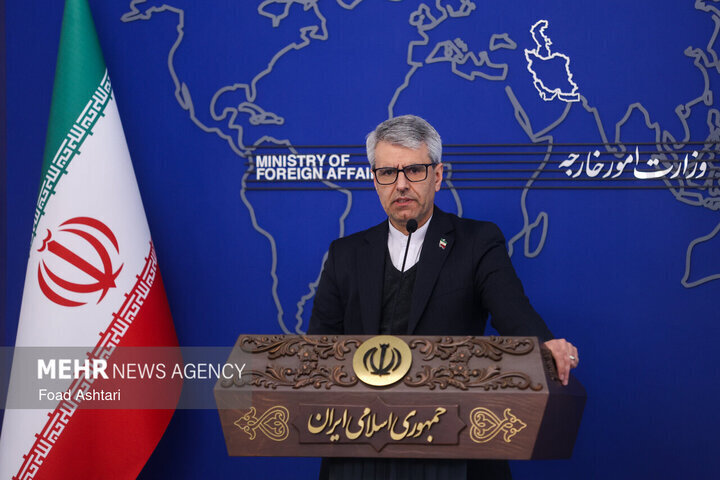
‘Iran-South Korea relations; a bridge that stands firm even in toughest days’
The Iran-South Korea Chamber of Commerce is actively working to strengthen bilateral economic ties despite sanctions, leveraging South Korea's development experience and preparing for future opportunities.
Intelligence analysis by Gemini 2.5 Flash
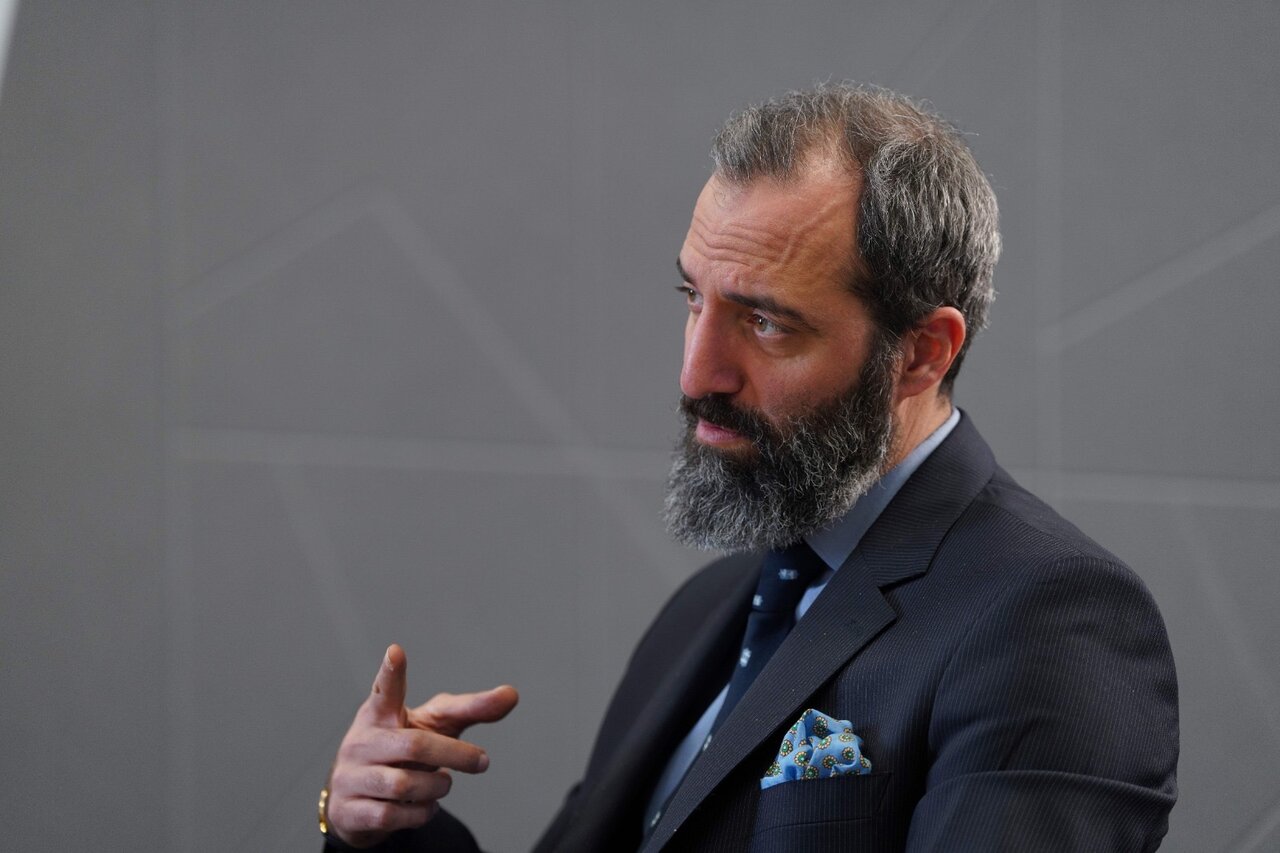
Pooya Firoozi, First Vice Chairman of the Iran-South Korea Chamber of Commerce, outlines a forward-looking strategy to transform the countries' economic connection into a lasting corridor for trade, technology, and investment, moving beyond humanitarian projects.
Imagine two friends, Iran and South Korea, want to keep playing together even when grown-ups make it hard. Instead of just waiting, they're learning from South Korea's past successes, like how it built amazing things after a tough time. They're also doing small projects, like building a school with solar panels, hoping these little seeds will grow into big trees of friendship and shared ideas for the future.
Analysis
The interview with Pooya Firoozi, First Vice Chairman of the Iran-South Korea Chamber of Commerce, reveals a strategic shift in how Iran aims to maintain and expand its economic relationship with South Korea amidst challenging international sanctions. Rather than passively waiting for conditions to improve, the joint chamber is actively preparing Iran for future opportunities by focusing on knowledge transfer and identifying new capacities. This approach underscores a long-term vision for economic development that transcends immediate political hurdles, aiming to build a robust foundation for future collaboration.
Pooya Firoozi's Vision
Pooya Firoozi emphasizes that the joint chamber's efforts go beyond merely sustaining existing ties. His vision involves a comprehensive strategy to transfer South Korea's valuable development experience to Iran, particularly lessons learned during its own periods of crisis and reconstruction. This includes preparing specialized reports, identifying new operational capacities, and maintaining continuous communication with governmental bodies and economic actors in both countries. Firoozi believes that by analyzing South Korea's journey from a war-torn nation to a global industrial and technological power, Iran can derive practical lessons applicable to its current economic challenges, fostering a new phase in bilateral relations.
Kahak Project
The 'Kahak' rural wastewater project in Sistan-Baluchestan is highlighted not just as a humanitarian endeavor but as a foundational element for broader economic cooperation. Firoozi views such projects as 'small seeds of cooperation' that can, under favorable conditions, blossom into major economic initiatives, technology transfer, and joint ventures. The experience gained from the Kahak project, for instance, can serve as a blueprint for larger development projects involving Iranian and Korean companies in water, wastewater, and environmental sectors. This perspective reframes humanitarian aid as strategic investments in future economic partnerships, building trust and practical experience.
South Korea's Experience
The article underscores the critical importance of leveraging South Korea's historical development experience for Iran's future. South Korea's post-war transformation, overcoming resource scarcity and infrastructure problems to become a technological powerhouse, offers a rich repository of practical lessons. The Iran-South Korea Joint Chamber is systematically examining Korea's experience in diverse fields such as reconstruction, industrialization, export development, financing, SME growth, energy, technology, AI, human resource training, crisis management, and regional development. These insights are then adapted and presented in specialized reports, aiming to provide actionable strategies for Iran's current conditions and future growth, thereby transforming a fragile connection into a lasting corridor for comprehensive collaboration.
Key points
- The Iran-South Korea Chamber of Commerce is actively preparing Iran for future economic opportunities despite current sanctions.
- The strategy involves transferring South Korea's development know-how and identifying new industrial capacities for Iran.
- Humanitarian projects, such as vocational training centers and wastewater projects, are viewed as foundations for broader economic cooperation.
- The joint chamber publishes specialized reports analyzing South Korea's crisis management and development experiences for application in Iran.
- The ultimate goal is to transform the current fragile connection into a lasting corridor for trade, technology, investment, and human collaboration.
The proactive strategy by the Iran-South Korea Chamber of Commerce could lead to significant technology transfer, industrial development, and stronger economic ties for Iran, potentially mitigating the impact of sanctions and fostering long-term growth and resilience. By leveraging South Korea's development experience, Iran might find innovative ways to overcome its current economic challenges.
Despite the chamber's dedicated efforts, persistent international sanctions and complex geopolitical dynamics could severely limit the scope and scale of these initiatives, preventing them from evolving into broader economic cooperation. The ambitious plans for technology transfer and industrial development might face significant hurdles in implementation due to external restrictions.