Iran War: Hezbollah Rejects Extended Ceasefire Between Israel and Lebanon
Hezbollah’s leader rejects direct talks and a broader ceasefire unless Israel fully withdraws from southern Lebanon. The conflict continues with new Israeli strikes and a UN peacekeeper dead after a mortar attack.
Intelligence analysis by GPT-5.4 Mini
A U.S.-backed effort to extend the Israel-Lebanon ceasefire is running into resistance from Hezbollah, whose leader says only a full ceasefire and Israeli withdrawal matter. The update also reports fresh fighting, civilian displacement, and a UN peacekeeper killed in southern Lebanon.
Two sides are trying to stop fighting, but one side says the deal is not fair unless the other side leaves first. It is like two kids agreeing to calm down, but one refuses until the other puts down the last toy.
Analysis
Ceasefire talks face resistance
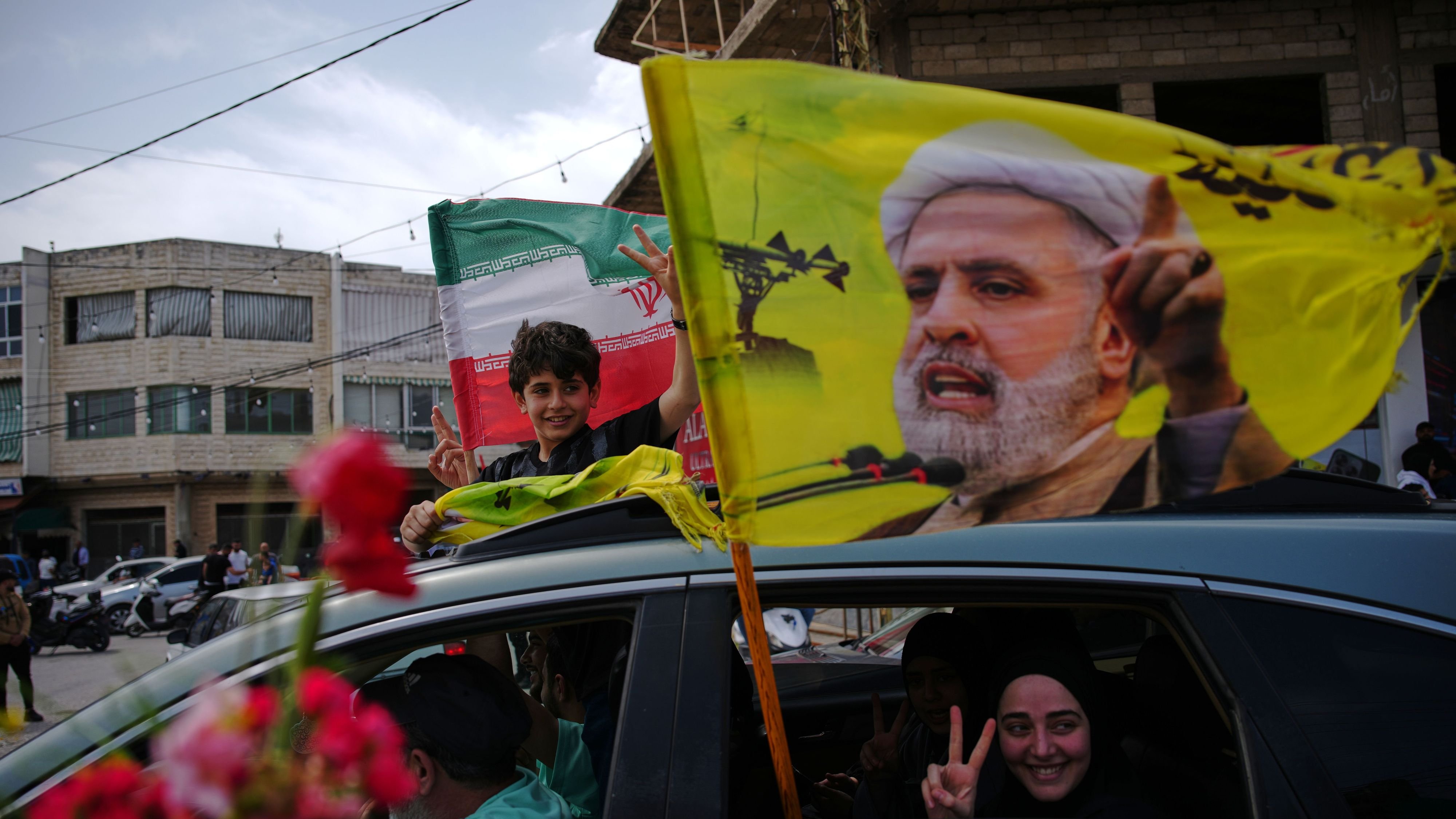
Hezbollah leader Naim Kassem rejects the idea of direct talks with Israel and calls the negotiation process “shameless,” according to the report. He says the movement will only accept a complete ceasefire and an Israeli withdrawal from southern Lebanon. As long as Israeli forces remain in the country, he says, resistance will continue.
Fighting continues despite diplomatic push
The article says the United States announced a path toward a ceasefire, and Lebanese President Joseph Aoun said it could take effect within 24 hours if all sides agree. But Hezbollah has not publicly accepted the arrangement, and Israel continues its attacks. The report says Israel is keeping its ground operation in southern Lebanon and says displaced Lebanese residents cannot yet return home.
Deadly incident involving UN peacekeepers
The update also reports that a UNIFIL soldier died after a mortar attack in southern Lebanon. Two other peacekeepers were injured. UNIFIL said it had begun an investigation and initially did not specify who fired the rounds. Israel blamed Hezbollah, saying its own investigation showed Hezbollah members fired the mortars.
Wider war context
The piece places these developments in the context of the broader Iran-related regional conflict and the ongoing war in the south. It also notes that Israeli strikes continued in Lebanon despite renewed efforts to implement the ceasefire. The central picture is of fragile diplomacy colliding with continued battlefield violence.
Key points
- Hezbollah leader Naim Kassem rejects direct talks with Israel and says only a full ceasefire and Israeli withdrawal are acceptable.
- Lebanon’s president says a U.S.-mediated ceasefire could take effect within 24 hours if all sides agree.
- Israel says it will keep its ground forces in southern Lebanon and continue striking targets it links to Hezbollah.
- A UNIFIL peacekeeper died after a mortar attack in southern Lebanon, and two others were injured.
- The article says fighting and displacement continue even as diplomats try to revive the ceasefire.
If all parties accept the U.S.-backed framework, the ceasefire could start quickly and reduce attacks on both sides. That could also let displaced people eventually return home and lower the risk to UN peacekeepers and civilians.
If Hezbollah keeps rejecting the deal, the ceasefire may remain only a paper agreement while strikes and counterstrikes continue. The report also shows the risk of further deadly incidents, including attacks on peacekeepers and more displacement in southern Lebanon.