Iran War: US Military Attacks Iranian Radar Sites and Shoots Down Drones
US forces say they hit Iranian radar sites after drones headed for the Strait of Hormuz, while Trump says Iran still has some missile capacity.
Intelligence analysis by GPT-5.4 Mini
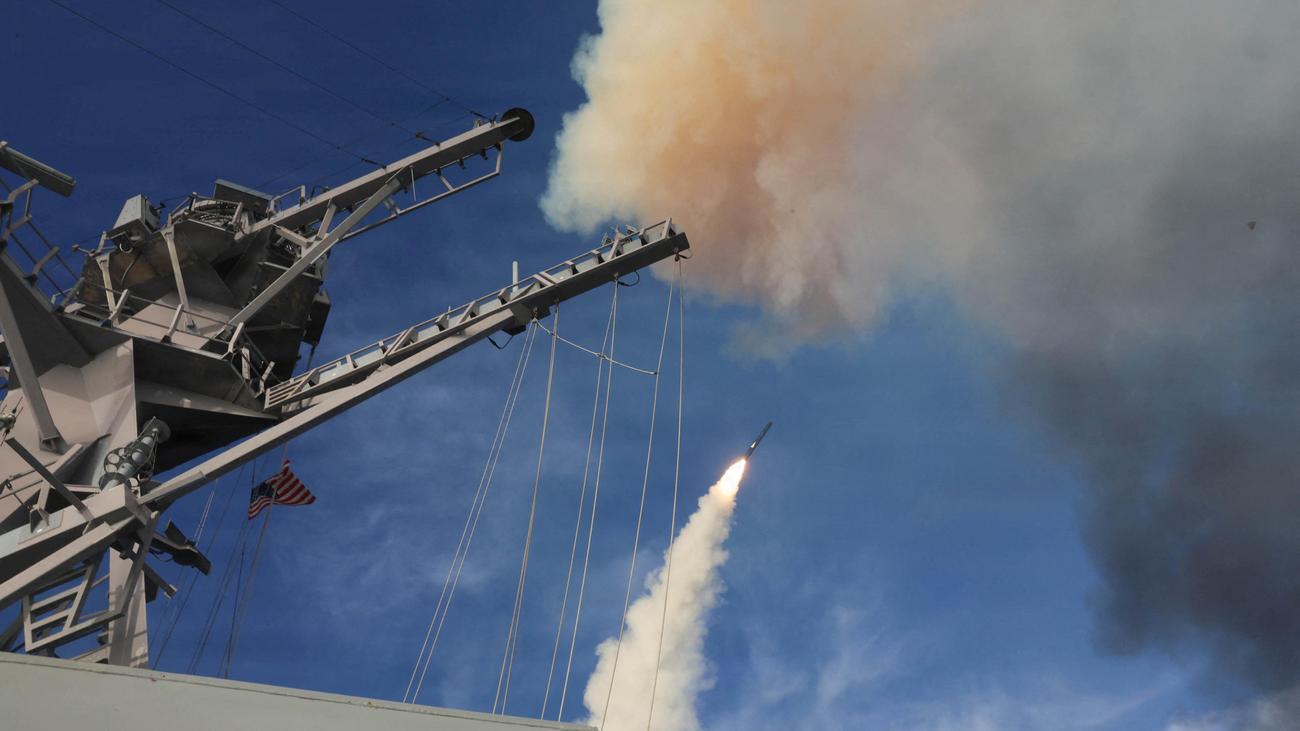
The liveblog tracks how the Iran war is widening beyond the main battlefield. Fresh US strikes near Hormuz, Trump’s claims about Iran’s remaining arsenal, and Gulf-region security warnings all point to rising spillover risk.
It is like a fight spreading around a busy harbor. Soldiers shot down drones and hit radar gear near the water, while nearby countries are buying extra protection and telling people to be careful.
Analysis
What happened
The live update says the US military attacked Iranian radar systems on Friday after, according to its own account, Iran launched four attack drones toward the Strait of Hormuz. The US says it shot down all four drones and treated them as an immediate risk to regional shipping. The radar sites were said to be in Goruk and on Qeshm island.
The wider war
The liveblog frames this as part of a broader Iran war that has already pulled in Israel, the US, Gulf states, and Lebanon. It says Israel and the US launched a joint attack on Iran on February 28, after which Iran struck back at Israel and US bases across the region. It also says Ayatollah Ali Khamenei was killed and that his son, Mojtaba Khamenei, has become Iran’s new political and religious leader.
Diplomatic deadlock and regional fallout
The article says Iran and the US agreed to a two-week ceasefire on April 8, but that talks have since failed. Trump later said he would extend the ceasefire until Iran presents a proposal to end the war. In his NBC News interview, he claimed Iran still has roughly a fifth of its missile stock, though the piece notes that this estimate could not be independently verified and conflicts with some US media reports citing larger remaining stocks.
The story also shows the regional spillover. Kuwait is buying US drone-defense systems after repeated attacks, and the German Foreign Office is warning against travel to Bahrain and Kuwait because security conditions remain tense. In Lebanon, President Joseph Aoun says Iran is using his country as leverage and urged Tehran not to interfere in Lebanese affairs.
Key points
- The US says it struck Iranian radar sites after Iran launched four drones toward the Strait of Hormuz.
- Trump told NBC News that Iran still has some missile and drone capacity, though the paper says his estimate was unclear.
- Kuwait is buying US drone-defense systems after repeated attacks linked to the conflict.
- Germany’s Foreign Office has warned against travel to Bahrain and Kuwait because the security situation remains tense.
- The liveblog portrays the war as increasingly regional, with Lebanon also pulled into the fallout.
If the ceasefire and talks hold, the fighting around Hormuz could stay limited and the shipping route may avoid a larger shutdown. A more stable pause could also give Gulf states and the US time to strengthen defenses instead of escalating strikes.
If the talks keep failing, Iran and the US could keep trading attacks near key sea lanes and military bases. That would raise the chance of wider regional attacks, more disruption to shipping, and more travel warnings for nearby countries.