Israel and Iran exchange strikes as Middle East crisis threatens to escalate
Israel struck Iran after Iranian missiles hit northern Israel, raising fears of a wider regional war and putting fragile diplomacy under strain.
Intelligence analysis by GPT-5.4 Mini
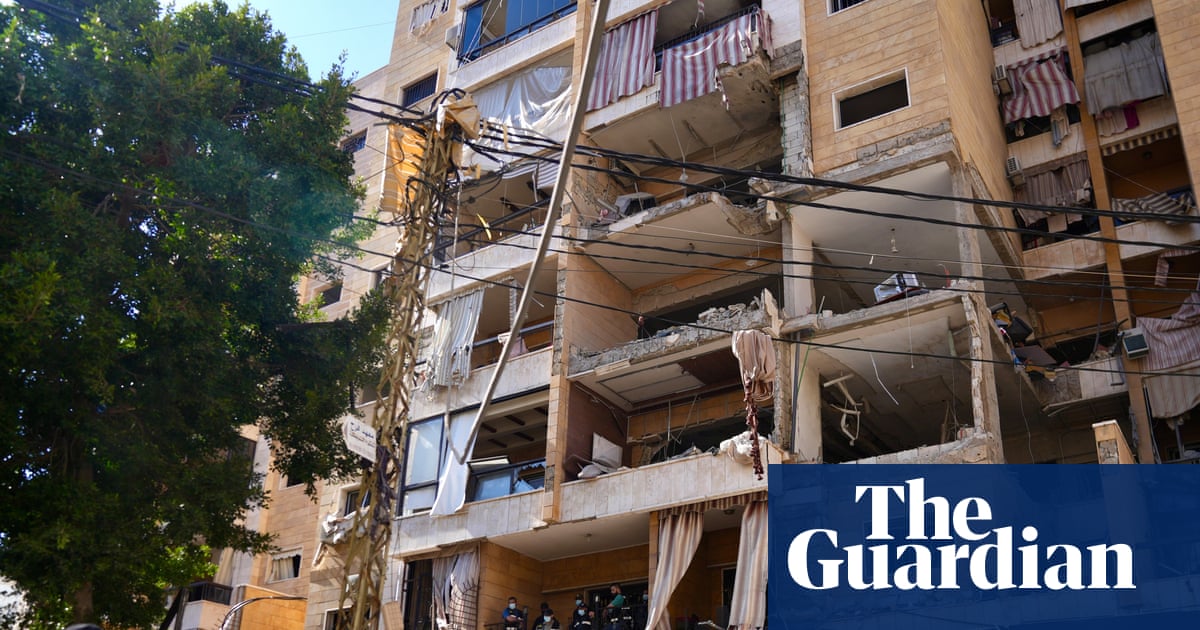
The article describes a rapid exchange of fire between Israel and Iran, with Trump publicly urging both sides to stop while Israeli strikes went ahead anyway. It frames the moment as a test of ceasefire efforts, US influence over Israel, and the risk of a broader Middle East war.
Two rivals threw punches, and the fight could spread to the whole neighborhood. Israel and Iran traded strikes, while other groups joined in, making the situation look like a small fire that could turn into a big blaze.
Analysis
Escalation risk
The Guardian says the Israeli military launched airstrikes on Iran after Iranian missiles were fired at northern Israel, marking the first exchange of fire between the two countries since a ceasefire on 8 April. The article says the attacks raised fears of a return to full-scale regional war.
Trump, Netanyahu, and pressure
The story emphasizes the political tension between Donald Trump and Benjamin Netanyahu. Trump said on Truth Social that Israel and Iran must “immediately stop” shooting, and a senior US official told AP that Trump had called Netanyahu and urged him not to retaliate immediately after the Iranian missile attack. The article says Trump had also told the Financial Times that he “calls all the shots,” not Netanyahu. Despite that, Israel carried out strikes, which the piece describes as apparent defiance.
Iran and allied groups
Iranian officials rejected the idea that Israel would act without US approval, with foreign ministry spokesperson Esmaeil Baqaei saying no one believed Israel would act without prior coordination and cooperation with the United States. Iran’s IRGC said Israel used air-launched ballistic missiles and claimed to target two military bases in Israel under Operation Nasr, or “Victory.”
Wider regional fallout
The article also reports that Yemen’s Iran-aligned Houthi rebels fired at Israel and announced a ban on Israeli shipping in the Red Sea, raising the prospect of more disruption on a major trade route. Inside Iran, the article says hardliners are pressuring negotiators to abandon stalled talks, especially if Tehran believes Washington secretly supported the Israeli strikes. The White House did not immediately comment.
Key points
- Israel launched airstrikes on Iran after Iranian missiles were fired at northern Israel.
- Trump publicly urged both sides to stop and had reportedly told Netanyahu not to retaliate immediately.
- The strikes appeared to go ahead despite Trump’s claim that he, not Netanyahu, “calls all the shots.”
- Iran said it did not believe Israel would act without prior US coordination.
- The Houthis fired at Israel and threatened Israeli-linked shipping in the Red Sea.
If both sides stop striking and the ceasefire holds, the article suggests there may still be room for diplomacy to continue. That could reduce the chance of a wider regional war and keep the stalled peace talks alive.
If Iran believes the US backed Israel’s attack, the article says that could damage the already stalled talks and push Tehran toward hardliners calling for a full break. The Houthis’ missile attack and Red Sea shipping threat also show how quickly the conflict could widen beyond Israel and Iran.