Israel and Iran flare-up could strengthen Tehran's negotiating hand
Weekend strikes raised tensions between Israel, Iran and the US, and could give Tehran more leverage in nuclear talks.
Intelligence analysis by GPT-5.4 Mini
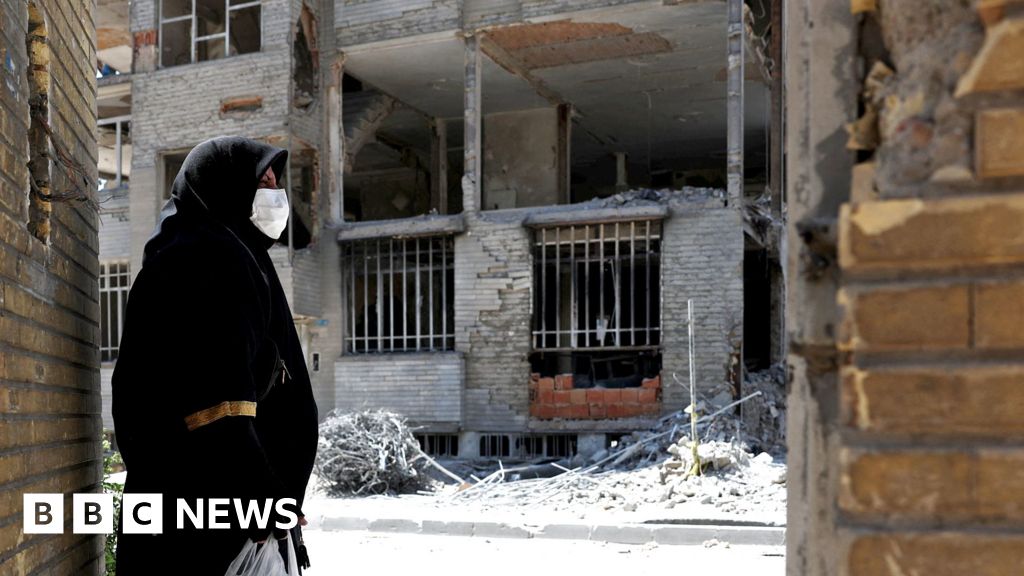
The BBC argues the latest Israel-Iran exchange showed how hard it is for Washington to control the conflict and how much Tehran can still shape the diplomacy around it. The flare-up may also make a nuclear deal harder to reach, even as Trump insists a breakthrough is close.
Two countries threw punches, and that made the grown-ups trying to stop the fight look weaker. Iran may now bargain like a kid who knows the other side is worried about more trouble, so it can ask for more before shaking hands.
Analysis
The article says the weekend exchange of strikes between Israel and Iran threatened to pull the region back into direct confrontation and exposed the fragility of the current ceasefires and alliances. It argues that three things stand out: Trump may not be able to restrain Israel as much as he says; Iran is willing to take hits on its own territory to tie its fate to the wider conflict; and a nuclear deal is not close because Tehran sees Washington's appetite for risk as limited.
A central question is whether Israel defied Trump when it struck Iran after he had publicly urged Netanyahu not to retaliate. The BBC's reporting suggests the answer is probably no. Instead, it says Washington likely gave at least tacit approval, with one former US negotiator describing the signal as a "blinking yellow light" rather than a red one.
The piece stresses that the US has a major military presence in the region and that any Israeli strike would need coordination with American forces and air routes. It also notes the IDF said there was "full co-ordination" with US Central Command and that the US helped intercept Iranian missiles.
On the diplomatic side, the story suggests Trump wants to keep the fighting limited while pursuing a deal that would reopen the Strait of Hormuz and secure limits on Iran's nuclear programme. But the article's larger point is that each fresh round of retaliation makes that outcome less certain, while also giving Tehran more room to bargain by showing it can absorb pressure and keep the conflict from being neatly separated into one theater.
Key points
- The weekend strikes pushed Israel and Iran back toward direct confrontation.
- The BBC says Trump could not fully restrain Netanyahu, or at least could not do so publicly.
- The article argues Iran may gain leverage in negotiations by showing it can absorb retaliation.
- Washington and Israel appear to have coordinated at least some parts of the operation.
- A nuclear deal is described as still distant, despite Trump's claims that one could come soon.
If both sides keep the exchange limited, the fighting could stop before it spreads further. That would leave room for talks over Iran's nuclear programme and the Strait of Hormuz, which the article says Trump still wants to push forward.
If either side breaks the pause again, the conflict could restart quickly and drag the US back in more directly. The article also suggests the latest strikes make a nuclear deal harder, because Iran may now think it can extract more by holding out.